
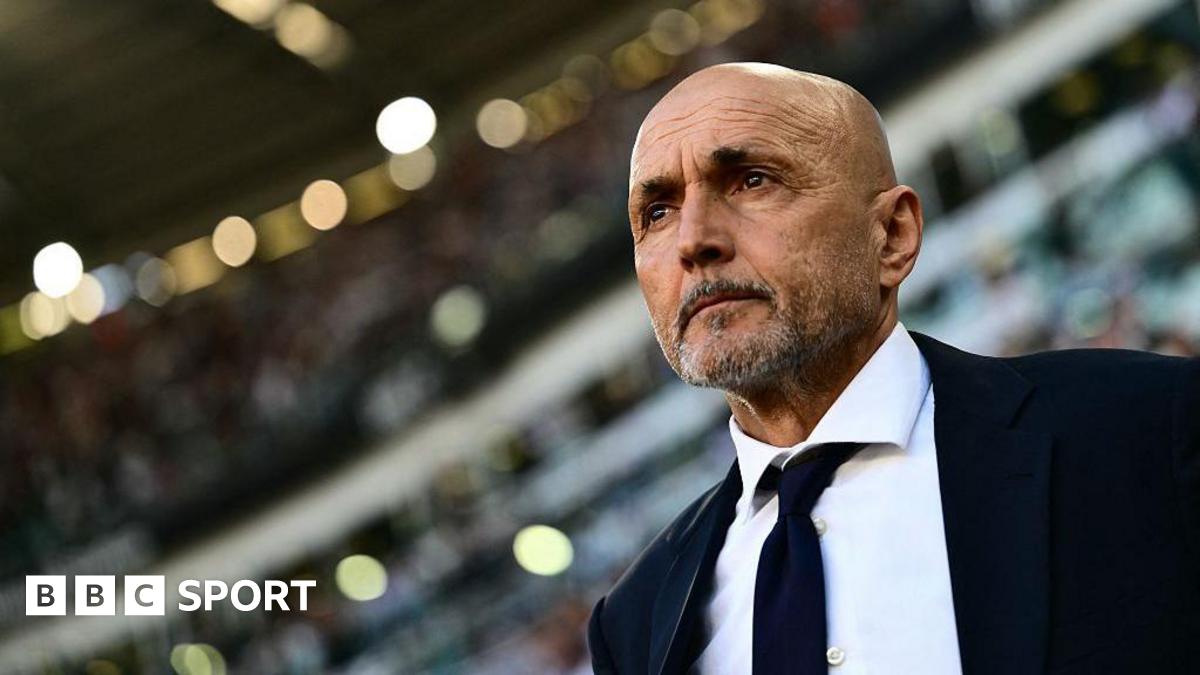
The landscape of Italian football is currently defined by two distinct, high-stakes projects: the systematic rebuilding of the Azzurri under the stewardship of Luciano Spalletti and the tactical revolution taking place in Turin. While speculation often swirls around the movement of elite managers in Serie A, the current reality is one of stability and clear direction for both the national team and one of Italy’s most storied clubs.
For Luciano Spalletti, the mission is singular and demanding. Since his appointment, the Luciano Spalletti Italy national team project has been about more than just winning matches. it is about restoring a lost identity. After the trauma of missing two consecutive World Cups, the Italian Football Federation (FIGC) entrusted Spalletti with the task of modernizing the national side’s approach to the game, moving away from rigid structures toward a more fluid, proactive style of play.
Contrary to rumors of a return to club management, Spalletti remains deeply embedded in the national team’s long-term strategy. His commitment to the FIGC is centered on the 2026 World Cup, with a philosophy that prioritizes the integration of young talent and a tactical flexibility that allows Italy to compete with the world’s most dynamic offenses. Having spent over a decade navigating the pressures of top-tier European football—including a historic Scudetto with Napoli—Spalletti has transitioned his focus from the weekly grind of league play to the strategic cycles of international tournaments.
The Juventus Transition: The Thiago Motta Era
While Spalletti leads the national charge, Juventus has entered a transformative period of its own. The club has moved decisively into a new era, appointing Thiago Motta as head coach in May 2024 via the official Juventus FC communications. Motta, arriving with a reputation for sophisticated possession-based football and a keen eye for youth development, is currently tasked with returning the Bianconeri to the summit of Italian and European football.
The appointment of Motta signals a clear departure from the traditional managerial profiles Juventus has employed in the past. By opting for a coach known for tactical innovation and a rigorous approach to player positioning, Juventus is attempting to build a sustainable model that mirrors the modern trends of the Champions League. This strategic shift makes the prospect of other high-profile managers, such as Spalletti, joining the club highly unlikely, as both the coach and the club are currently locked into their respective long-term visions.
The synergy between the national team’s needs and the club’s ambitions is evident in how players are being developed. Motta’s influence at Juventus is expected to produce a generation of technically proficient midfielders and defenders who will, in turn, provide Spalletti with the raw materials needed to ensure the Luciano Spalletti Italy national team remains competitive on the global stage.
Spalletti’s Tactical Blueprint for the Azzurri
Spalletti’s tenure with Italy has been characterized by a willingness to experiment and a refusal to rely on the “old ways” of Italian defending. His approach focuses on high pressing, rapid transitions, and a diversified attacking threat. The goal is to create a team that does not merely react to the opponent but dictates the tempo of the match.
This evolution is a necessity. The modern game has evolved, and the traditional Catenaccio philosophy is no longer sufficient to secure silverware at the highest level. Spalletti is implementing a system where the defenders are encouraged to participate in the build-up play, effectively turning the goalkeeper and center-backs into the first line of attack. This shift requires a high degree of technical bravery from the players, a trait Spalletti has demanded since taking the helm.
The challenges have not been absent. The exit from Euro 2024 served as a sobering reminder that the road to recovery is rarely linear. However, the FIGC has maintained its confidence in Spalletti, recognizing that the structural changes he is implementing are designed for the 2026 cycle rather than immediate, short-term fixes. The focus now shifts to the Nations League and the qualifying rounds, where the Azzurri must prove they can consistently execute this new tactical identity.
Key Pillars of the Current Italian Football Landscape
| Feature | Italy National Team (Spalletti) | Juventus FC (Motta) |
|---|---|---|
| Primary Objective | 2026 World Cup Qualification/Success | Serie A Title & UCL Contention |
| Tactical Core | Fluidity and Proactive Pressing | Possession-based Positional Play |
| Personnel Strategy | Integration of Emerging Talent | Squad Overhaul and Youth Promotion |
| Timeline | International Tournament Cycles | Immediate Seasonal Results |
What This Means for the Future of Serie A
The stability at both the national level and at a club like Juventus provides a foundation for the broader growth of Italian football. When a national team manager is given the time to implement a philosophy without the constant distraction of club rumors, the players benefit from a consistent vision. Similarly, when a club like Juventus commits to a specific tactical direction under a manager like Motta, it raises the standard for the rest of the league.
For global observers, the story is no longer about who might replace whom, but about how these two distinct projects will intersect. The success of the Luciano Spalletti Italy national team is inextricably linked to the success of the clubs within Serie A. If Juventus and other top Italian sides can successfully modernize their play, the national team will inherit players who are already accustomed to the high-tempo, technical demands of the modern game.
Spalletti’s role as the figurehead of this movement is critical. He is not just a coach; he is a bridge between the traditional prestige of Italian football and the requirements of the 21st century. His experience in Lisbon and throughout Europe has taught him that success is found in the balance between discipline and creativity—a balance he is now striving to instill in the Azzurri.
The Road Ahead: Checkpoints and Expectations
As the football calendar progresses, the focus for Luciano Spalletti will remain squarely on the FIGC’s objectives. The immediate priority is the refinement of the squad depth, ensuring that Italy has a viable “Plan B” when facing deep-block defenses or high-intensity presses.
For Juventus, the priority is the seamless integration of Motta’s philosophy into the squad’s daily routine, ensuring that the transition from the previous regime does not disrupt the club’s competitive edge in the league. The interaction between these two entities—the national team and the club—will be the primary narrative for Italian football leading into 2026.
The next confirmed checkpoint for the national team will be the upcoming international break and the subsequent fixtures in the UEFA Nations League, where Spalletti will continue to test his tactical iterations. Fans and analysts will be watching closely to spot if the seeds planted during the last year are beginning to bloom into a cohesive, winning machine.
Do you believe Luciano Spalletti is the right man to lead Italy back to World Cup glory, or does the national team demand a different approach? Share your thoughts in the comments below or join the conversation on our social media channels.