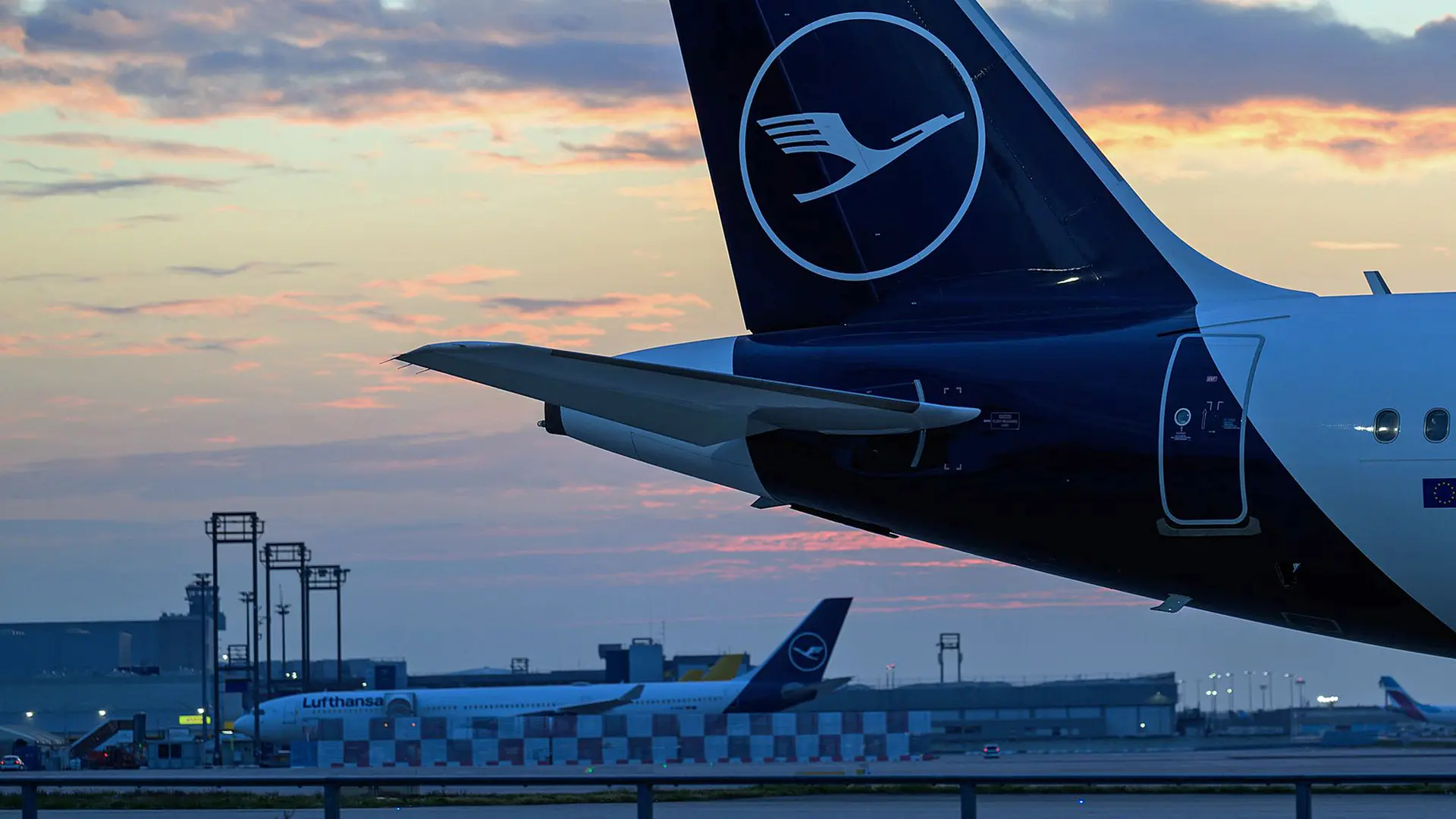
Lufthansa is facing mounting operational challenges as labor disputes and soaring fuel costs converge to disrupt air travel across Germany and beyond. On April 16, 2026, the airline announced the immediate cessation of operations for its regional subsidiary Cityline, citing “the current crisis” driven by sharply rising kerosene prices and ongoing industrial action. The move accelerates a previously planned shutdown by over two years, with 27 older Canadair CRJ jets set to be grounded as of Saturday, April 18, 2026.
The decision follows failed negotiations between Lufthansa management and the pilots’ union Vereinigung Cockpit, after a mediation attempt collapsed. Cabin crew union UFO has also signaled intentions to join the strikes, further straining the airline’s ability to maintain regular service. Lufthansa’s finance chief, Till Streichert, described the package of fleet and capacity reductions as “unavoidable” given the “significantly increased kerosene costs and geopolitical instability.”
Cityline, which had been slated for closure at the conclude of 2028, will now cease all flight operations effective immediately. The airline emphasized that the aircraft being retired are nearing the end of their technical service life and carry disproportionately high operating costs. By removing these inefficient models from service ahead of schedule, Lufthansa aims to reduce its exposure to volatile spot-market fuel purchases and mitigate further losses from the money-losing regional carrier.
Beyond Cityline, Lufthansa confirmed additional capacity cuts across its core brand. Starting in late October 2026, six long-haul jets will be withdrawn from service: four Airbus A340-600s and two Boeing 747-400s. The final retirement of the 747-400 fleet is expected in 2027. Approximately five medium-range aircraft will be phased out from the Lufthansa mainline fleet beginning in the winter 2026/2027 schedule.
These measures come amid persistent strike actions by ground staff, pilots, and cabin crew over wages and working conditions. While exact numbers of canceled flights or affected passengers were not disclosed in the official statements, union sources and regional media have reported widespread disruption at major hubs including Munich, Frankfurt, and Düsseldorf, with hundreds of flights grounded and tens of thousands of travelers impacted over recent days.
The airline’s move to ground Cityline reflects a broader trend in European aviation, where legacy carriers are reassessing fleet efficiency in response to elevated fuel prices and labor unrest. Lufthansa noted that its passenger airlines’ kerosene consumption is currently hedged at roughly 80% above average levels based on crude oil pricing, leaving it vulnerable to market spikes despite partial protection.
In parallel, Lufthansa is accelerating the expansion of its leisure-focused subsidiary Discover, which is set to grow faster with new Airbus A350 aircraft. This strategic shift aims to reallocate resources toward more profitable segments while scaling back unprofitable regional and long-haul operations.
As of April 17, 2026, no official date has been set for resumed negotiations between Lufthansa and the striking unions. Travelers are advised to check the airline’s website or contact customer service directly for updates on flight status and rebooking options.
Stay informed and share your experience — has your travel been affected by the Lufthansa strikes? Comment below or join the conversation on social media.
Worth a look