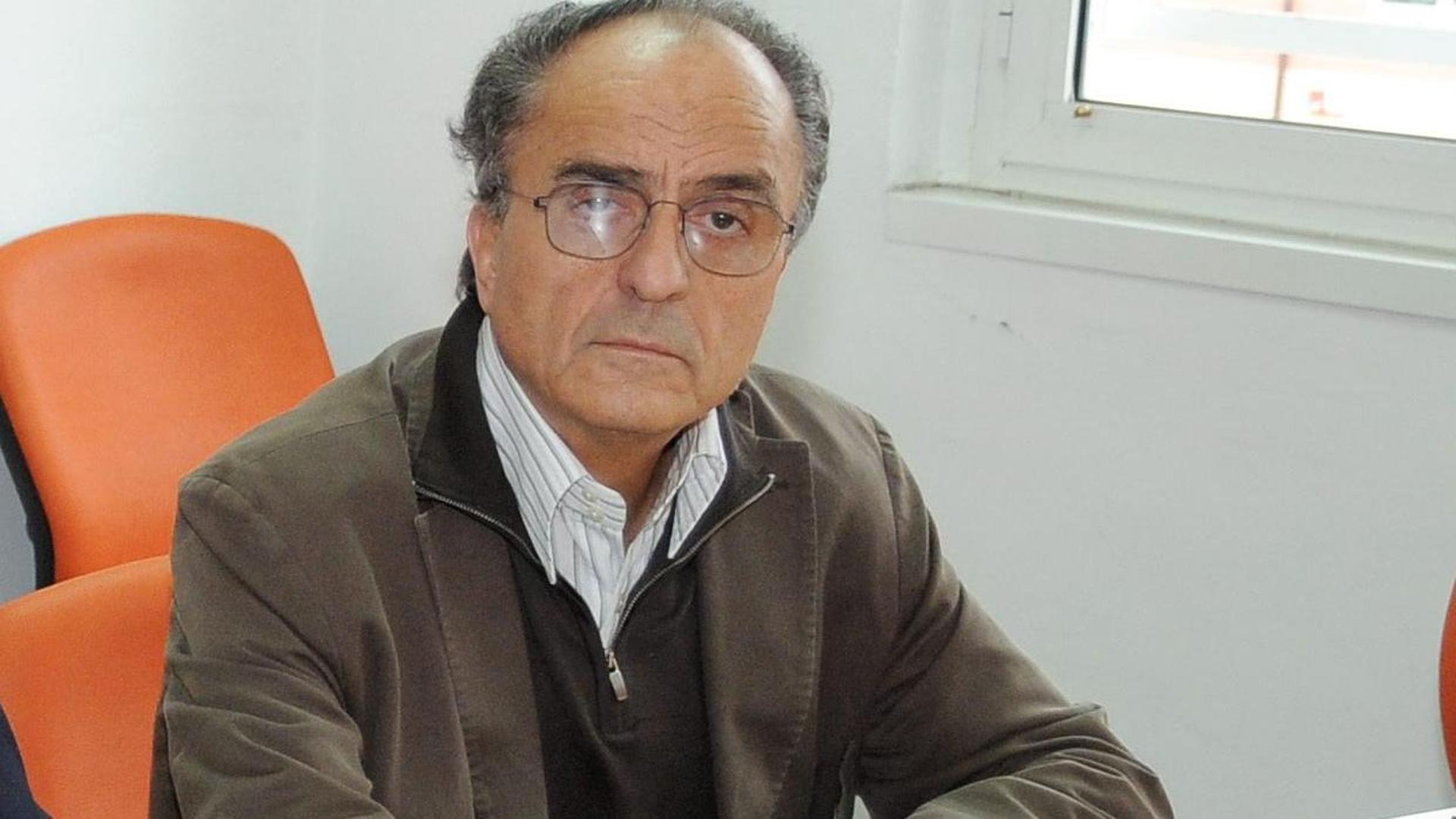
Pavia Mourns the Loss of Political Figure Luigi Maggi
The political landscape of Pavia, Italy, is in mourning following the death of Luigi Maggi, a prominent figure in the region’s governance and a long-serving leader in the Democrazia Cristiana (DC) party. Maggi, affectionately known as “Luigino,” passed away on Wednesday night at the age of 88 at the hospital in Voghera, where he had been receiving treatment for declining health, according to reports from La Provincia Pavese and Lombardia Live 24. His decades-long career spanned local administration, regional politics, and the management of key public utility companies.
Maggi’s influence extended over nearly four decades as president of Broni-Stradella Spa, now known as Broni-Stradella Pubblica, a company instrumental in providing essential services to communities in the Broni and Stradella areas. His leadership shaped the evolution of the company from a consortium focused on development to a modern public utility, impacting waste management and other crucial infrastructure. He was a journalist for over 50 years and served as an administrative officer for the Comune di Pavia (Municipality of Pavia) from 1973 to 1999.
A Career Rooted in Local Governance and Political Evolution
Born and raised in the Pavia region, Luigi Maggi’s political journey began with the Democrazia Cristiana, a dominant force in Italian politics for much of the post-war period. He rose through the ranks to become the provincial secretary of the DC, a position he held for many years. As Lombardia Live 24 noted, Maggi was a “historical face” of the DC in the province of Pavia. Following the decline of the DC in the early 1990s, Maggi played a key role in the shifting political landscape, guiding a current that eventually merged into the Margherita party and later the Partito Democratico (Democratic Party).
Maggi was a pioneer in fostering political dialogue across traditional divides. In the early 1990s, in his hometown of Stradella, he initiated one of the first “laboratories” for political collaboration between former Christian Democrats and former communists. This initiative laid the groundwork for the creation of Torre Civica, a civic coalition that aimed to bridge ideological gaps and promote local governance. He also served as a provincial and municipal councilor in Stradella for multiple terms, demonstrating a consistent commitment to local representation.
Leading the Transformation of Public Utilities
Beyond his direct political roles, Luigi Maggi left an indelible mark on the management of public utilities in the Lombardy region. In 1980, he was appointed president of the Consorzio Intercomunale per lo Sviluppo del Comprensorio Broni e Stradella, a consortium dedicated to the development of the Broni and Stradella area. This consortium underwent a significant transformation under his leadership, evolving into Broni-Stradella Spa in 1996 and subsequently into Broni-Stradella Pubblica in 2017. This evolution marked a turning point in the collaborative management of services, particularly waste collection, among the municipalities involved.
Maggi’s influence extended to other key public utility companies. He served as president of Broni-Stradella gas in 2001 and Pavia Acque from 2007 to 2016. His tenure at Pavia Acque, the water utility serving the Pavia area, spanned nearly a decade. In 2018, as Broni-Stradella Spa and Acaop merged to form Broni-Stradella Pubblica, Maggi chose to step down from his leadership role after nearly 40 years, remaining on the board of directors for another two years before fully retiring in 2020, as reported by La Provincia Pavese. His decision to pass the torch reflected a commitment to continuity and the long-term sustainability of the public services he had dedicated his career to improving.
A Legacy of Collaboration and Public Service
Luigi Maggi’s career was characterized by a dedication to public service and a willingness to forge alliances across the political spectrum. His role in initiating the political laboratory in Stradella, bringing together former adversaries, exemplifies his commitment to finding common ground and building consensus. This approach was particularly significant during a period of profound political change in Italy, as the traditional party system underwent a major transformation.
His leadership of Broni-Stradella, and its subsequent iterations, demonstrated his ability to manage complex organizations and deliver essential services to a wide range of communities. The company’s evolution under his guidance reflects a broader trend towards greater collaboration and efficiency in the provision of public utilities. Maggi’s long tenure in these roles underscores his deep understanding of the challenges and opportunities facing local governments in the Pavia region.
As his health declined, Maggi gradually withdrew from public life, but his legacy of dedicated service and political acumen continues to be recognized throughout the province of Pavia. His passing represents a significant loss for the region’s political community and for all those who benefited from his years of leadership.
Key Takeaways
- Luigi Maggi, a prominent figure in Pavia’s political scene, passed away at the age of 88.
- He served as a long-time leader in the Democrazia Cristiana and played a key role in the evolution of the Partito Democratico.
- Maggi was instrumental in the development of Broni-Stradella Pubblica, a vital public utility company serving the Broni and Stradella areas.
- He was a pioneer in fostering political collaboration between former political rivals.
- His career spanned decades of local administration, regional politics, and public utility management.
Further information regarding Maggi’s life and career is expected to be released by the Comune di Pavia and the Broni-Stradella Pubblica in the coming days. The family has not yet announced details regarding funeral arrangements. Readers are encouraged to share their memories and condolences through local news outlets and social media platforms.
Related reading