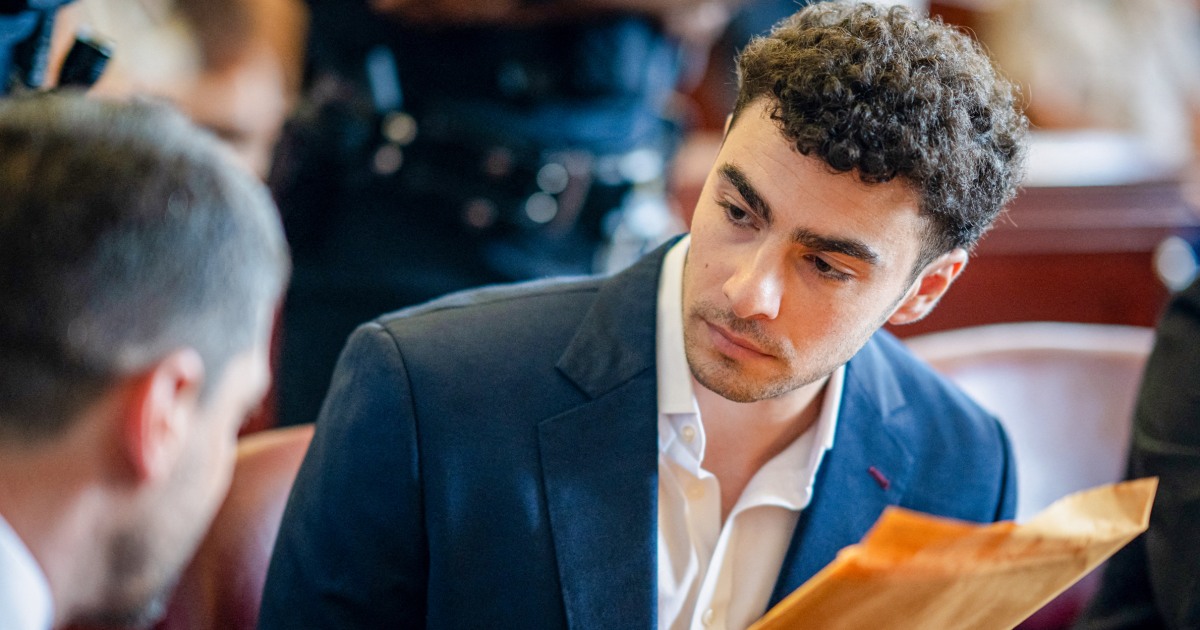
Luigi Mangione, the man accused of the December 2024 murder of UnitedHealthcare CEO Brian Thompson, will pursue a psychiatric defense in his upcoming state-level trial. During a court appearance on Wednesday, the presiding judge confirmed that Mangione’s defense team intends to present evidence regarding his mental state at the time of the shooting, a move that shifts the focus of the proceedings toward his psychological condition.
The announcement clarifies the legal strategy for the high-profile case, which centers on the fatal shooting of Brian Thompson outside a Manhattan hotel on December 4, 2024. According to court records and reports from the New York County District Attorney’s Office, Mangione faces multiple charges, including second-degree murder and criminal possession of a weapon, following his arrest in Pennsylvania days after the incident. The decision to assert a psychiatric defense suggests the trial will involve significant testimony from medical experts tasked with evaluating the defendant’s cognitive and mental health status.
Legal Implications of a Psychiatric Defense
In the New York state court system, a psychiatric defense typically involves arguments that the defendant lacked the requisite intent or capacity to commit the crime as defined by law. Under New York Penal Law § 40.15, a defendant may be found not responsible by reason of mental disease or defect if they lacked substantial capacity to know or appreciate the nature and consequences of their conduct, or that such conduct was wrong. This is a distinct legal standard that requires the defense to meet a high burden of proof, often necessitating extensive psychiatric evaluations by both defense-hired clinicians and court-appointed experts.
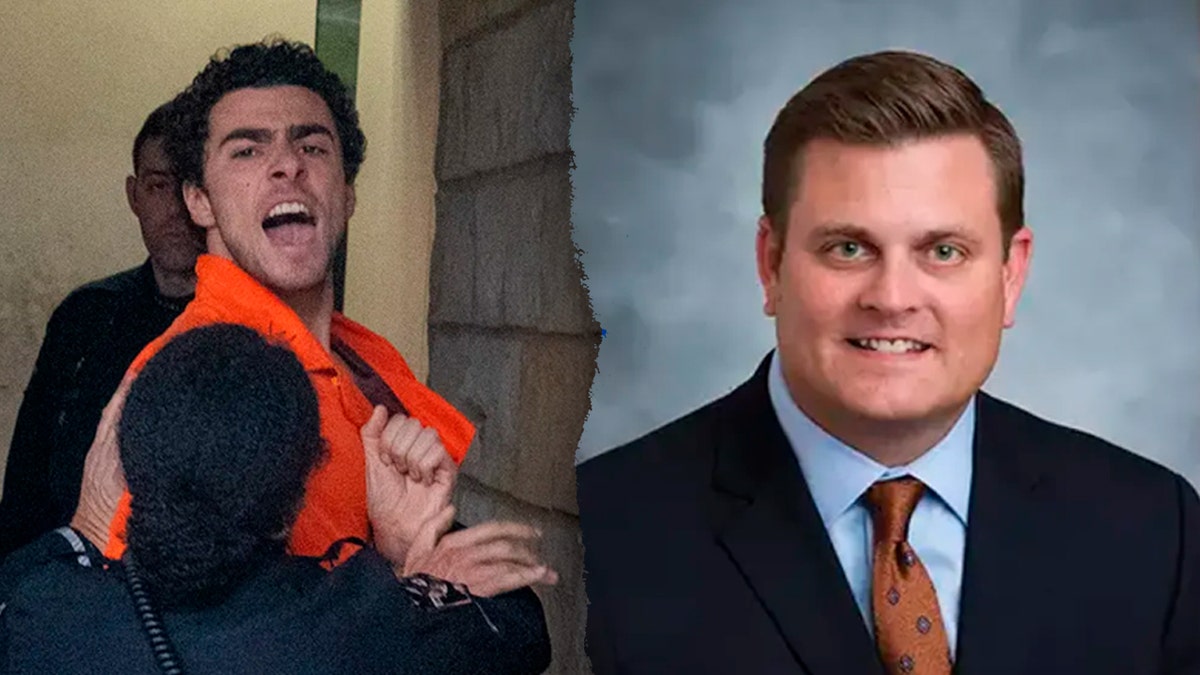
Legal analysts note that the introduction of such a defense often extends the pre-trial phase significantly. The court must now manage the logistics of independent psychiatric examinations, which are governed by specific New York criminal procedure rules. These examinations are designed to determine whether the defendant was suffering from a mental disease or defect that would legally mitigate criminal responsibility. The prosecution, led by the Manhattan District Attorney, is expected to challenge these findings through its own expert witnesses, setting the stage for a complex battle of medical testimony.
The Case Against Luigi Mangione
The charges against Mangione stem from an investigation that spanned multiple states. Following the shooting of Brian Thompson, law enforcement agencies initiated a multi-day manhunt that concluded at a McDonald’s in Altoona, Pennsylvania. Authorities reported that Mangione was apprehended with a firearm and a handwritten document that investigators characterized as a manifesto detailing grievances against the healthcare industry. The New York Police Department (NYPD) and federal partners, including the FBI, coordinated the investigation that led to his extradition to New York.

The killing of the 50-year-old UnitedHealthcare executive sent shockwaves through the corporate world and triggered an immediate review of security protocols for high-profile executives. Brian Thompson had been in New York City for an investor conference at the time of the attack. Throughout the investigation, the Manhattan District Attorney’s Office has emphasized the premeditated nature of the crime, citing surveillance footage and physical evidence recovered at the scene and during the arrest. The defense’s move to focus on psychiatric health serves as a direct response to these allegations of calculated intent.
What Happens Next in the Judicial Process
With the psychiatric defense officially entered into the record, the court will now move toward the discovery and expert witness phase. The judge overseeing the case has scheduled subsequent hearings to manage the timeline for these psychiatric evaluations. These proceedings are crucial, as they will determine whether the case proceeds to a jury trial with a mental health component or if further legal motions are filed by either the prosecution or the defense.

For observers tracking the case, the next major checkpoint will be the submission of expert reports. These documents are generally filed under seal or discussed in closed-door conferences until they are introduced as evidence. The court’s docket remains the primary source for updates on hearing schedules and procedural orders. As the case progresses, public access to court proceedings will continue to be managed by the New York State Unified Court System, which provides updates on filing deadlines and hearing dates via their official portal.
The legal team representing Mangione has not provided further public comment beyond the court-mandated disclosures. Meanwhile, the prosecution continues to prepare its case, maintaining that the evidence against the defendant is sufficient to secure a conviction. As the legal process unfolds, further details regarding the psychiatric evaluations and the judge’s rulings on admissibility of evidence will emerge. We invite readers to monitor our updates for the latest verified developments in this ongoing criminal matter.