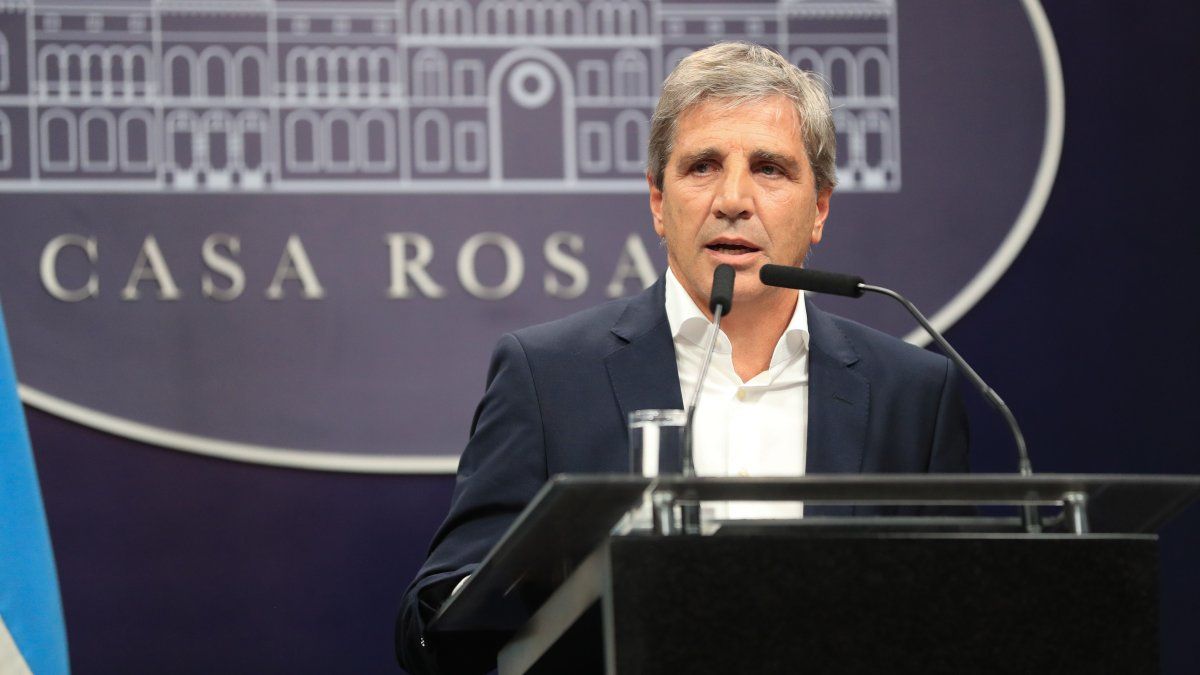
Argentina’s Ministry of Economy has outlined a medium-term financial framework aimed at stabilizing the country’s sovereign debt obligations through October 2027. Minister of Economy Luis Caputo announced the plan, which seeks to provide market predictability by clarifying the government’s capacity to meet its upcoming international and domestic debt commitments without resorting to further restructuring.
The strategy centers on maintaining fiscal discipline and managing the foreign exchange market to ensure a stable currency environment. According to official communications from the Ministry of Economy, the government intends to reduce the reliance on monetary expansion, a move designed to curb inflationary pressures that have historically impacted the value of the peso against the U.S. dollar.
Establishing Predictability in Sovereign Debt
The core objective of the announced program is to provide creditors and local investors with a clear timeline regarding the government’s payment schedule. By projecting fiscal outcomes through late 2027, the administration aims to lower the country’s risk premium, which remains a significant hurdle for Argentine access to international capital markets. As reported by the International Monetary Fund (IMF) in recent country reports, the sustainability of Argentina’s debt depends heavily on maintaining a primary fiscal surplus and the successful implementation of structural reforms.

Minister Caputo has emphasized that the government’s focus remains on “fiscal zero”—a policy of not spending more than the state collects in revenue. This approach is intended to signal to global markets that Argentina is committed to honoring its debt obligations, thereby stabilizing the exchange rate. The government’s financial planning assumes that by eliminating the deficit, the need for central bank intervention in currency markets will diminish, fostering a more predictable environment for businesses and households alike.
Economic Policy and Exchange Rate Stability
The projection of a stable dollar through 2027 is predicated on a series of macroeconomic variables, including the accumulation of foreign currency reserves and the gradual removal of capital controls, commonly known in Argentina as the “cepo.” The Central Bank of the Argentine Republic (BCRA) plays a pivotal role in this process, as it is responsible for managing the daily liquidity and the crawl of the official exchange rate.
Analysts note that while the government’s roadmap provides a sense of direction, the actual performance of the currency will be subject to global commodity prices and the domestic political climate. The government’s ability to sustain this policy depends on its ongoing legislative efforts to pass budget reforms and its success in renegotiating debt tranches with multilateral lenders. The World Bank maintains that long-term stabilization requires not just fiscal adjustments, but also improvements in productivity and export competitiveness.
What the Financial Roadmap Means for Stakeholders
For investors, the government’s 2027 horizon acts as a benchmark for evaluating credit risk. For the average citizen, the stability of the dollar is closely linked to the cost of living, as the Argentine economy remains highly sensitive to currency fluctuations. The administration’s stated goal of reducing inflation is the primary mechanism through which it hopes to restore consumer purchasing power.

The government has scheduled several milestones for the coming months to review the progress of its fiscal targets. These reviews, often conducted in coordination with international financial institutions, are expected to provide further clarity on the sustainability of the current exchange rate policy. The Ministry of Economy continues to publish monthly fiscal results on its official portal, which serve as the primary source for tracking the government’s adherence to its announced financial trajectory.
The next major checkpoint for Argentina’s economic performance will be the release of the upcoming quarterly budget report, which will detail current revenue collection and debt servicing expenditures. Market participants and interested observers are encouraged to monitor the official Ministry of Economy reports for verified updates on the progress of the 2027 financial plan. Readers are invited to share their perspectives on these economic developments in the comments section below.