
In the high-stakes environment of European football, few figures command as much intrigue as Luis Enrique Martínez García. The current Paris Saint-Germain (PSG) manager has cultivated a reputation as a tactical innovator who thrives under pressure, often stripping away the anxiety that typically suffocates elite clubs. His journey from the intense scrutiny of Spanish football to the helm of a Parisian giant is defined by a philosophy that balances cold-blooded tactical rigor with a surprisingly relaxed psychological approach: “If we lose, nothing happens.”
This mindset, which Luis Enrique famously championed during his tenure at FC Barcelona, has become the bedrock of his current project in France. While the Parisian club has long been synonymous with star-studded rosters and agonizing Champions League exits, the Spaniard has sought to shift the narrative toward collective identity. As he continues to navigate the complexities of Ligue 1 and the UEFA Champions League, observers are increasingly debating his standing among the pantheon of modern managers, comparing his tactical influence to that of predecessors who have defined eras of dominance in the sport.
The Evolution of a Tactical Architect
Luis Enrique’s managerial career is marked by a clear trajectory of evolution. After a successful stint with AS Roma and Celta Vigo, his appointment at FC Barcelona in 2014 heralded a period of immense success. According to official records from FC Barcelona’s historical archive, his tenure included a historic treble in the 2014-2015 season, mirroring the achievements of legendary coaches like Pep Guardiola. This success was not merely a product of talent but of a specific, high-intensity pressing system that challenged the traditional reliance on individual brilliance alone.
His arrival at PSG in July 2023 signaled a departure from the club’s “Galáctico” recruitment strategy. By emphasizing a cohesive unit over individual celebrity, Luis Enrique has sought to build a sustainable model for success. Data from the Ligue 1 official portal confirms that since his appointment, the team has undergone a significant tactical restructuring, focusing on ball possession, verticality, and defensive transition. This shift has been instrumental in the club’s recent domestic campaigns, even as the European stage remains the ultimate litmus test for his leadership.
Philosophy: The “Nothing Happens” Doctrine
The phrase “If we lose, nothing happens” is more than a soundbite; it is a deliberate attempt to insulate his players from the paralyzing fear of failure that has historically plagued PSG in knockout competitions. In professional sports, the psychological burden of expectation can be as formidable as any opponent. By publicly de-escalating the catastrophic consequences of a defeat, Luis Enrique encourages his players to take risks, maintain their tactical shape, and play with the fluidity that his systems demand.
This approach has drawn both praise and skepticism. Critics argue that at a club of PSG’s stature, defeat must carry consequences to maintain standards. However, proponents point to the reduction in unforced errors during high-pressure matches as evidence that his psychological management is working. It is a calculated gamble—a “mad genius” approach, as some media outlets have dubbed it—that prioritizes the long-term health of the team’s collective psyche over the short-term demand for perfection.
Comparing Legacies: The Champions League Challenge
The comparison between Luis Enrique and managers who have secured multiple European titles—such as Zinedine Zidane, Carlo Ancelotti, or Bob Paisley—is inevitable given the aspirations of the Paris project. While Luis Enrique secured his first Champions League title with Barcelona in 2015, his pursuit of a second crown with a different club remains the primary objective of his time in France. As noted by UEFA’s official tournament records, the tactical parity in the modern knockout stages means that the margins between success and failure are thinner than ever.
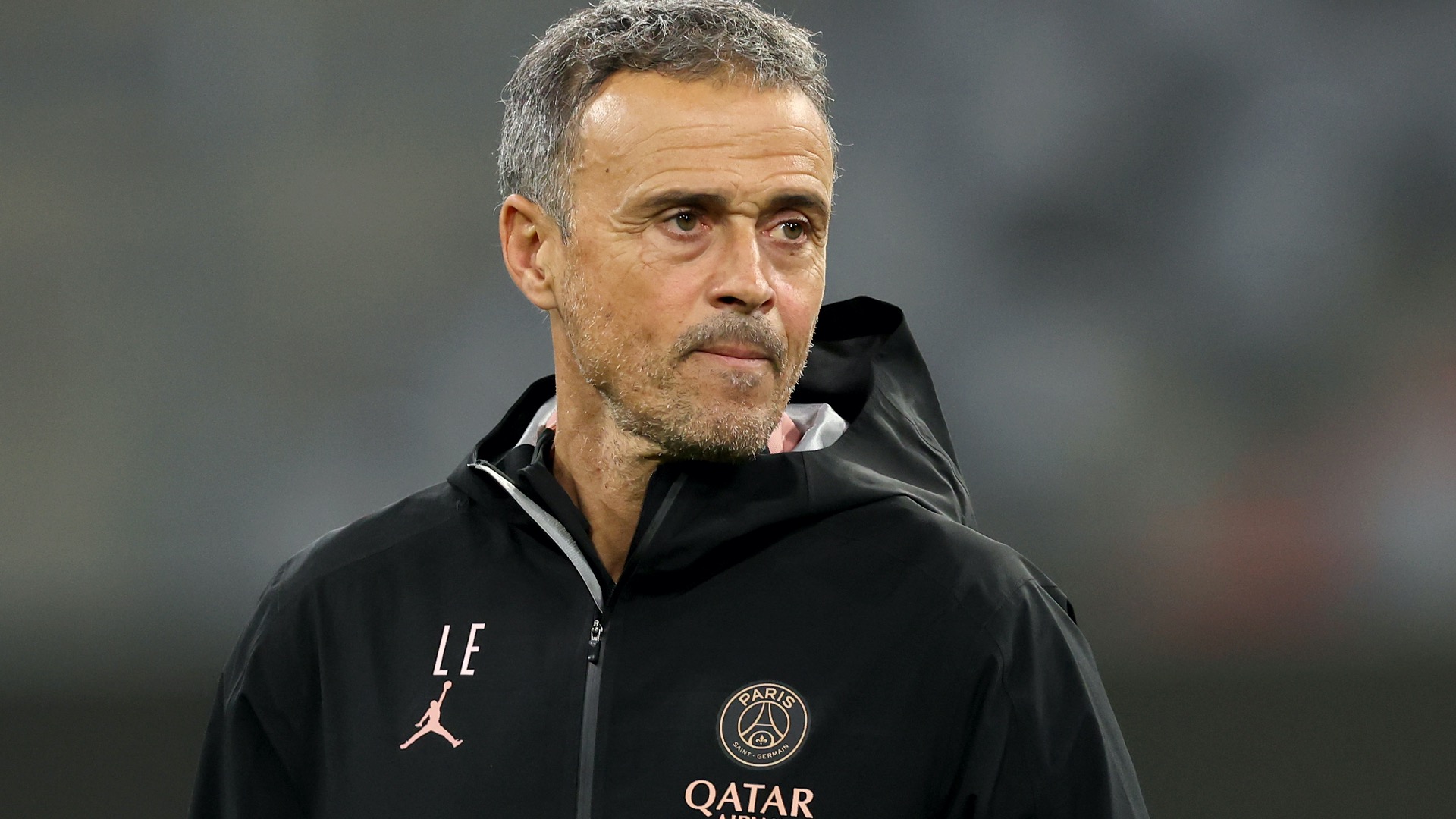
What sets his current work apart is the departure from the previous reliance on a singular attacking trio. By distributing the offensive load across the squad, he has created a more unpredictable attacking profile. This structural change is designed to make PSG less vulnerable to opposition game plans that focus on neutralizing a single star player. Whether this will lead to the coveted European trophy remains to be seen, but the intent to build a system that is greater than the sum of its parts is clear.
Looking Ahead: The Road to Continental Dominance
The path forward for PSG involves a delicate balance of maintaining domestic consistency while evolving for the rigors of European football. Luis Enrique has frequently emphasized that his project is a multi-year endeavor. According to the official PSG squad updates, the average age of the roster has decreased under his tenure, signaling a commitment to long-term development rather than immediate, short-term fixes. This focus on youth and tactical adaptability is central to his vision for the club’s future.
As the season progresses, the focus will remain on whether his tactical discipline can hold firm against the tactical variety seen in the later stages of the Champions League. His ability to adapt in real-time during matches—a trait that garnered him significant acclaim during his time with the Spanish national team—will be tested against the continent’s most seasoned managers. For now, the narrative surrounding the Spaniard is one of transition and potential, as he attempts to redefine what it means to be a champion in the modern era.
The next major checkpoint for the team will be the upcoming knockout stage draws, which traditionally serve as the true test of a manager’s tactical preparation. Fans and analysts alike will be watching closely to see if the “nothing happens” philosophy can withstand the immense pressure of the Champions League business end. We invite our readers to share their thoughts on whether Luis Enrique’s methods are the key to PSG’s European future—join the conversation in the comments section below.