In the evolving landscape of digital gaming, the ability to parse complex datasets has become an increasingly sought-after skill for strategy enthusiasts. For players of the grand strategy title Victoria 3, developed by Paradox Development Studio and released on October 25, 2022, the game’s deep economic and political simulations generate massive amounts of underlying data. Managing this information often requires tools that transcend the standard user interface, leading a segment of the community to develop custom web-based applications designed to visualize nation-state performance.
The creation of interactive dashboards—often referred to by the community as save file analyzers—represents a intersection between gaming, data visualization, and software development. These tools function by interpreting the raw save files generated by the game, which are typically stored in the user’s local documents folder under the Paradox Interactive directory. By converting these complex, text-heavy files into structured visual formats, players can track everything from GDP growth and population demographics to market fluctuations across decades of simulated history.
Understanding the Architecture of Grand Strategy Data
At its core, Victoria 3 is a simulation engine that tracks thousands of variables simultaneously. When a player saves their progress, the game writes a snapshot of these variables into a file, which serves as a historical record of the nation’s development. Because these files are written in a specific format, they are technically accessible to anyone with a text editor, though the sheer volume of data makes manual analysis impractical for the average user.
Developers within the gaming community have stepped in to bridge this gap. By building web applications that parse these files, they offer players a “bird’s-eye view” of their geopolitical influence. This process typically involves extracting specific metadata—such as technological progress, diplomatic standing, and internal political stability—and presenting it in a dashboard environment. For the player, this means moving beyond the in-game UI to identify long-term trends that might otherwise be obscured by the rapid pace of daily gameplay.
The Rise of Community-Led Development
The emergence of these tools is a testament to the longevity of the grand strategy genre. Unlike traditional multiplayer games where the focus is purely on competition, titles like Victoria 3 encourage a “sandbox” approach where players are deeply invested in the narrative and economic health of their virtual nations. When players seek to understand why their economy collapsed or how a specific policy shift impacted their population’s standard of living, they often turn to these community-built analytical tools for clarity.

This trend highlights a broader shift in how players interact with software. As gaming communities become more technically proficient, they increasingly expect transparency and deeper access to the data driving their experiences. By providing a platform where performance metrics can be easily digested, these developers are essentially creating an “economic report” for the player’s nation, mirroring the real-world financial dashboards used by analysts and economists to track global market health.
Key Considerations for Data-Driven Gaming
While these tools offer significant value, users should remain mindful of standard digital hygiene practices. When interacting with web applications that process personal files, This proves important to ensure that the site is reputable and that users understand what data is being accessed. As with any third-party software, the primary risk involves the handling of local files, which should always be approached with caution.
- Data Accessibility: Understanding where your game files are located is the first step in utilizing any external analytical tool.
- Visualization Benefits: Dashboards allow for a comparative analysis of different historical periods within a single game session.
- Community Collaboration: Most of these projects are open-source, allowing for continuous improvements and feature updates driven by user feedback.
The Future of Strategy Simulation
As Paradox Interactive continues to update Victoria 3, the complexity of the data produced will likely grow, necessitating more sophisticated analysis tools. The community’s commitment to building these dashboards demonstrates a desire for deeper engagement with the game’s mechanics. For the developer, this represents a unique feedback loop where the community identifies the most important metrics through their own analytical efforts, potentially influencing future in-game features.
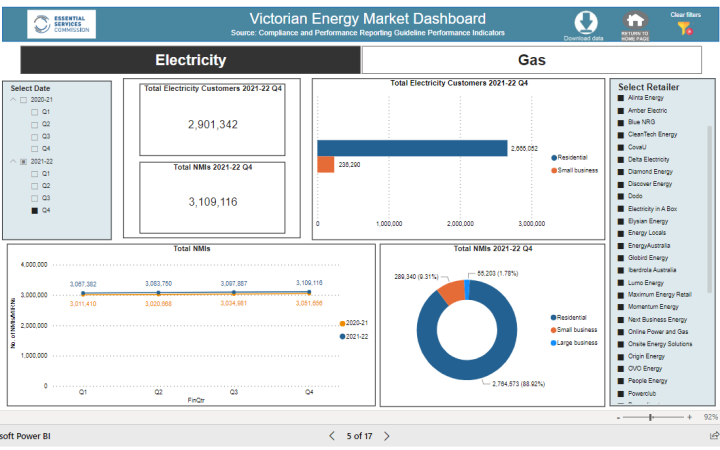
Whether you are a casual player looking to optimize your trade routes or a dedicated strategist tracking the rise and fall of empires, the ability to visualize your nation’s history is a powerful tool. As we look ahead, we can expect to see more integration between game datasets and web-based analytical platforms, further blurring the lines between gaming and data science.
The next scheduled update for Victoria 3 will be detailed in future developer diaries on the official Paradox Interactive forums. We encourage our readers to share their experiences with game-data analysis in the comments section below.
Keep reading