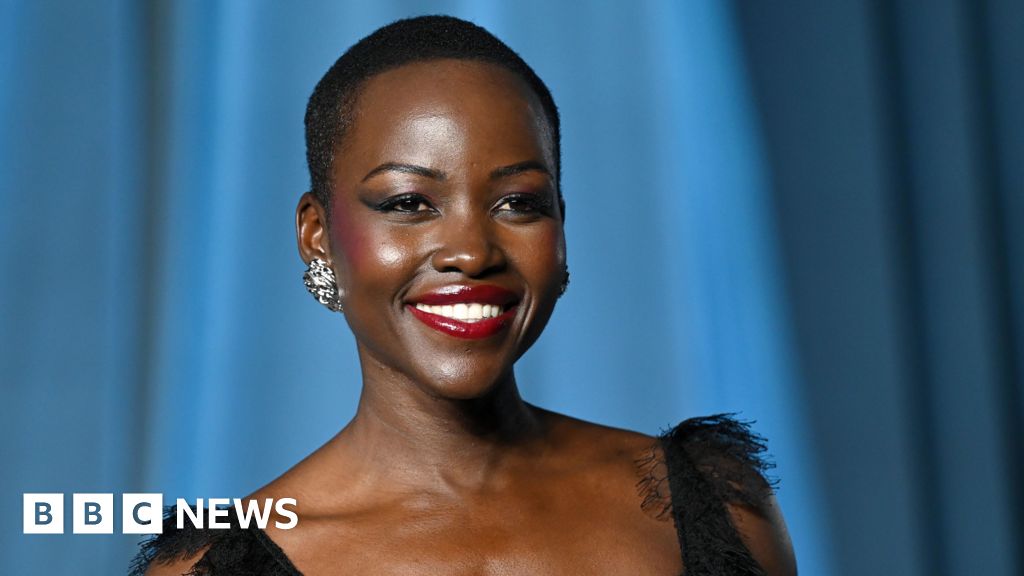
Lupita Nyong’o is speaking out following a wave of public criticism regarding her casting as Helen of Troy in Christopher Nolan’s upcoming film, The Odyssey. The Academy Award-winning actress, known for her roles in 12 Years a Slave and the Star Wars sequel trilogy, has addressed the backlash surrounding her portrayal of the legendary Greek figure, often described in mythology as the most beautiful woman in the world.
The casting announcement prompted debate on social media and among various commentators, with some questioning the choice of a Black actress to play a character traditionally depicted as white in Western art and literature. Among those who voiced criticism was commentator Matt Walsh, who claimed that the casting choice was driven by a desire for awards, a sentiment echoed by Elon Musk, who suggested that Nolan’s decision was motivated by the pursuit of accolades.
Addressing the Mythological Narrative
In a recent interview with Elle, Nyong’o dismissed the controversy, emphasizing the nature of the source material. “This is a mythological story,” Nyong’o stated, noting that she remains supportive of director Christopher Nolan’s artistic vision for the project. She further clarified her stance on the discourse, stating, “Our cast is representative of the world. I’m not spending my time thinking of a defense. The criticism will exist whether I engage with it or not.”
The character of Helen of Troy holds a central place in Greek mythology, famously known as “the face that launched 1,000 ships” due to her role in the lead-up to the Trojan War. By choosing to interpret this classic story with a diverse cast, Nolan’s production has reignited broader discussions regarding color-blind casting in Hollywood and the adaptation of ancient texts for modern audiences.
The Context of Professional Accolades
Lupita Nyong’o’s career has been marked by significant critical recognition since her breakout role as Patsey in Steve McQueen’s 2013 biopic 12 Years a Slave, which earned her the Academy Award for Best Supporting Actress. Her filmography includes a range of diverse performances, from her Broadway debut in the play Eclipsed—for which she received a Tony Award nomination—to her motion-capture work as Maz Kanata in the Star Wars franchise and her voice role as Raksha in The Jungle Book.

Her educational background includes a bachelor’s degree in film and theatre studies from Hampshire College and a master’s degree in acting from the Yale School of Drama. These credentials have established her as a highly regarded performer, yet the current discourse highlights the ongoing tension between traditionalist interpretations of classical roles and contemporary efforts to reflect global demographics in cinema.
Key Developments in the Casting Conversation
- Project Scope: Christopher Nolan is currently developing The Odyssey, a project that is drawing significant attention for its casting choices.
- Public Stance: Nyong’o has explicitly stated that she is not focusing on defending the casting, viewing the story as mythological and open to varied interpretation.
- Industry Impact: The debate underscores a growing trend in the film industry where classic narratives are being reimagined with inclusive casting practices, often sparking polarized reactions from audiences and public figures.
Looking Ahead
As production on The Odyssey continues, the project remains one of the most discussed films in development. While the discourse surrounding the casting of Helen of Troy reflects wider societal debates regarding representation in media, Nyong’o’s focus remains on the specific creative direction of the film. For audiences and industry observers, the film serves as a touchstone for how major studios and directors will approach the balancing act of honoring classic narratives while embracing a modern, global perspective.

There have been no further official statements from the production team regarding the casting backlash. As more information about the film’s release schedule and production milestones becomes available, we will continue to provide updates on this developing story.
What are your thoughts on the evolution of casting in mythological adaptations? Share your perspective in the comments section below.