
In the current landscape of Southeast Asian real estate, few trends are as jarring as the widening chasm between the affordable housing market and the ultra-luxury segment. While the broader property sector grapples with a significant downturn, a peculiar anomaly has emerged in Indonesia: the rapid disappearance of ultra-high-end villas from the market, even as prices soar into the tens of millions of dollars.
This divergence highlights a stark economic reality where the financial capacity of the ultra-wealthy remains insulated from the headwinds affecting the middle and lower-income brackets. The recent “sold out” status of exclusive luxury developments serves as a case study in how high-net-worth individuals are utilizing real estate not merely as shelter, but as a sophisticated vehicle for capital preservation and yield generation.
The most striking example of this trend is the recent performance of the Botanic Villa project. In a market otherwise characterized by caution, all 14 units of the development were sold out completely. These properties, which commanded prices ranging from Rp 50 billion to Rp 89 billion, vanished from the inventory with surprising speed, signaling a robust appetite for trophy assets among Indonesia’s financial elite.
The Great Divide: Luxury Gains vs. Primary Market Losses
The speed with which these luxury villas were absorbed stands in direct opposition to the health of the primary residential market. Data from Bank Indonesia reveals a troubling trend for smaller, more accessible homes, which have seen a decrease in sales of 45.59% in the primary market. This creates a paradoxical environment where the most expensive assets are the easiest to sell, while the homes intended for the general population are stagnating.
For a financial analyst, this suggests that the “housing crisis” is not a uniform decline in demand for property, but rather a crisis of affordability and credit access for the average buyer. Conversely, the ultra-wealthy—often colloquially referred to in the region as “Sultans”—are operating in a parallel economy. For this demographic, the purchase of a Rp 89 billion villa is less about the necessity of a primary residence and more about strategic asset allocation.
The Investment Engine: Why Ultra-Wealthy Buyers are Buying
A critical question arises: why would investors purchase multiple high-value properties when they likely already possess a primary residence? The answer lies in the intersection of investment strategy and regulatory constraints. Zulfi Syarif Koto, Chairman of The HUD Institute, notes that these properties are primarily acquired as investment instruments.
Because foreign nationals and expatriates are restricted from owning certain types of property in Indonesia, a lucrative secondary market has emerged. Wealthy local investors purchase these luxury villas specifically to lease them to expatriates. This strategy allows the owner to capture high rental yields from a demographic that has high purchasing power but limited legal avenues for property ownership.
This “buy-to-rent” model for the ultra-luxury segment transforms these villas from residential homes into high-yield financial products. By targeting the expatriate market, investors can ensure a steady stream of income while benefiting from the long-term capital appreciation of limited-edition real estate in prime locations.
A Niche Ecosystem: Limited Supply and Targeted Demand
The rapid sell-out of projects like Botanic Villa does not necessarily indicate a general recovery of the Indonesian property market. Instead, it reflects the dynamics of a highly specialized niche. Milda Abidin, Senior Director of Strategic Consulting at JLL Indonesia, explains that the speed of these sales is driven by the extremely limited supply of such premium units.
Developers of these projects do not cast a wide net; they target a very specific, narrow segment of buyers with exceptionally strong financial profiles. When a project with only 14 units is launched, the pool of potential buyers is small, but their intent is high. These units can be claimed almost instantly, creating an illusion of a booming market that does not extend to the wider economy.
According to Abidin, the performance of the premium property segment represents only a tiny fraction of the total Indonesian property market. The success of a few ultra-luxury developments cannot be used as a proxy for the overall health of the real estate industry. We see a localized phenomenon of wealth concentration rather than a systemic market upturn.
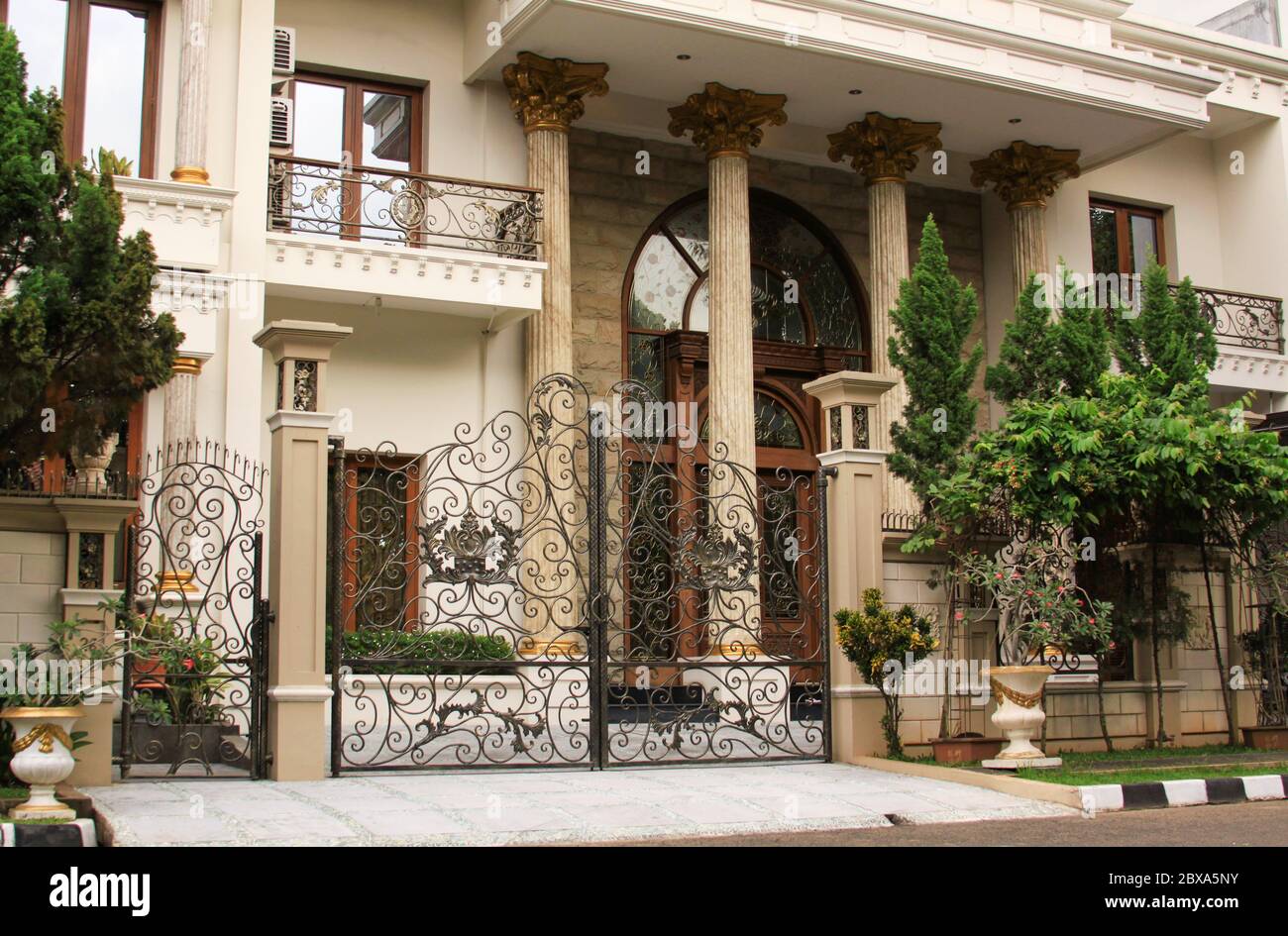
What In other words for the future of urban development is a likely increase in “gated” luxury enclaves that cater exclusively to the top 0.1% of earners. As the primary market continues to struggle, the gap between luxury “investment” housing and functional “residential” housing is expected to widen, potentially complicating efforts to increase affordable housing stock in growing metropolitan areas.
As the market moves into the second half of 2026, observers will be watching for updated data from Bank Indonesia to see if the slump in small-home sales begins to stabilize or if the luxury anomaly continues to decouple from the broader economic reality.
We invite our readers to share their perspectives on the luxury real estate trend in the comments below. Do you believe this investment-driven demand will eventually trickle down to the broader market, or is it a sign of permanent economic bifurcation?
Related reading