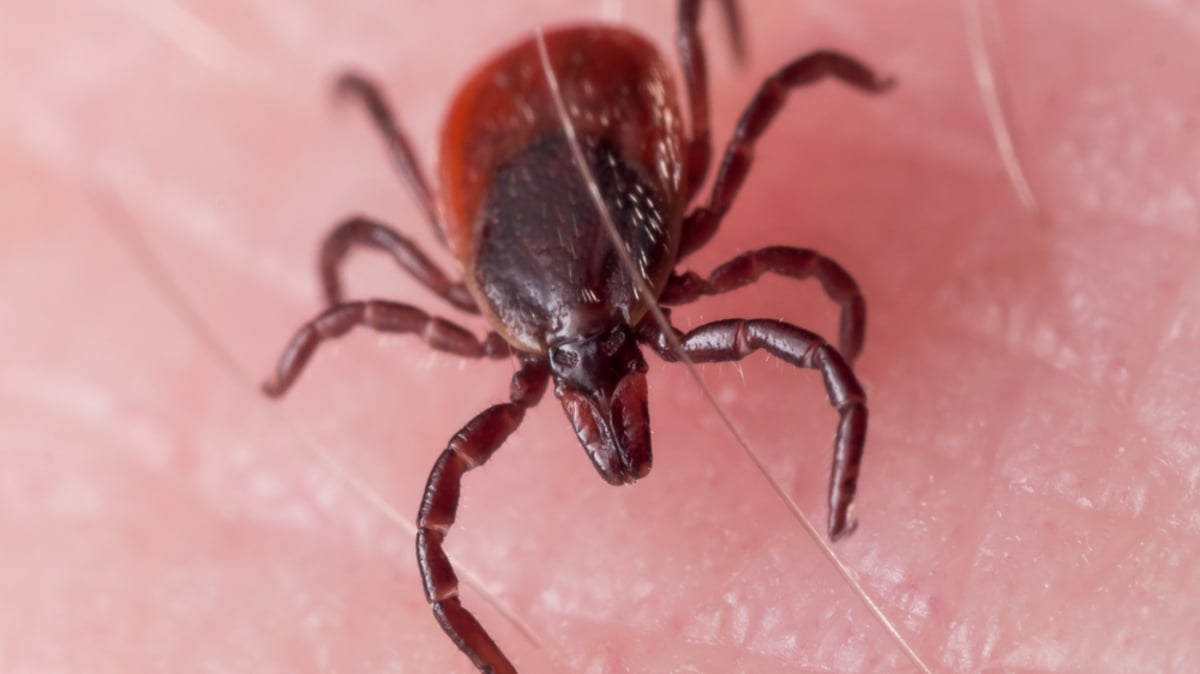
As spring transforms the landscapes of Europe and North America, the return of outdoor activities brings a recurring medical challenge: the rise of tick activity. Although a tick bite may seem like a minor nuisance, it can be the gateway to several serious conditions, most notably Lyme disease (borreliosis) and tick-borne encephalitis (TBE). Understanding the distinction between these two—and knowing how to react in the first few critical hours—is essential for anyone spending time in forests, meadows, or even urban parks.
Lyme disease is a bacterial infection caused by Borrelia burgdorferi and related species, transmitted primarily through the bite of infected blacklegged ticks. If caught early, the condition is highly treatable. However, when missed, it can evolve into a chronic illness affecting the joints, heart, and nervous system. In contrast, tick-borne encephalitis is a viral infection that targets the central nervous system and, unlike Lyme disease, can be prevented with a specific vaccine available in many high-risk regions of Europe.
For those navigating the outdoors, the priority is not just avoiding the bite, but managing the aftermath. Medical guidelines emphasize that the window for preventing infection is narrow; removing a tick quickly can often stop the bacteria from ever entering the bloodstream. As a physician and journalist, I have seen how the gap between a simple bite and a long-term health struggle often comes down to a few hours of vigilance.
Recognizing the Signs: Lyme Disease vs. TBE
The symptoms of tick-borne illnesses can be deceptive, often mimicking a common flu in their early stages. However, We find specific clinical markers that can help patients and providers identify the threat.
Lyme disease typically begins with a characteristic skin reaction. The most telltale sign is erythema migrans
, often described as a “bull’s-eye” rash—a red ring expanding outward from the site of the bite. This rash is not present in every case, but it is a primary diagnostic marker. According to the Centers for Disease Control and Prevention (CDC), early symptoms can also include fever, chills, headache, fatigue, and muscle and joint aches.
If left untreated, the bacteria can migrate. This may lead to late-stage symptoms such as severe joint pain (particularly in the knees), facial palsy, or heart palpitations. In Europe, a common manifestation is neuroborreliosis, which can involve inflammation of the brain and spinal cord membranes.
Tick-borne encephalitis (TBE) follows a different path. It is often biphasic. The first phase involves non-specific symptoms: fever, fatigue, and muscle aches. After a brief period of apparent recovery, a second phase may occur, involving the central nervous system. This can manifest as meningitis or encephalitis, causing severe headaches, stiff neck, confusion, and in some cases, permanent neurological damage. The World Health Organization (WHO) notes that TBE is a significant cause of viral infections of the central nervous system in Eastern, Central, and Northern Europe.
The Critical Window: Safe Tick Removal
The most important rule of tick management is speed. For Lyme disease, the bacteria generally capture time to migrate from the tick’s midgut to its salivary glands. While this varies, some medical guidance suggests that the risk of transmission increases significantly if the tick remains attached for more than 36 hours. Removing the tick within the first 24 hours is the gold standard for prevention.
When you find a tick, do not use “home remedies” like nail polish, petroleum jelly, or a hot match to coax the tick out. These methods can irritate the tick, potentially causing it to regurgitate infected fluids into your bloodstream.
The recommended procedure, supported by the Mayo Clinic and the CDC, is as follows:

- Use Fine-Tipped Tweezers: Grasp the tick as close to your skin’s surface as possible. Aim for the head, not the body, to avoid squeezing the tick.
- Steady Pull: Pull upward with steady, even pressure. Do not twist or jerk the tick, as this can cause the mouthparts to break off and remain in the skin.
- Clean the Site: After removal, thoroughly clean the bite area and your hands with rubbing alcohol, an iodine scrub, or soap, and water.
- Dispose Properly: Place the tick in alcohol, a sealed bag/container, or flush it down the toilet. If you suspect a high risk of disease, you may wish to save the tick in a sealed container to provide to a physician for identification.
Prevention and Medical Intervention
Prevention is a dual-layered approach: avoiding the bite and, where possible, utilizing immunization.
Environmental Protection
Ticks do not jump or fly; they “quest” by clinging to grass and shrubs, waiting for a host to brush past. To minimize risk:
- Dress Strategically: Wear long-sleeved shirts and long pants. Tucking pants into socks creates a physical barrier that forces ticks to climb on the outside of the clothing rather than migrating directly to the skin.
- Use Repellents: Use EPA-registered insect repellents containing DEET, picaridin, or IR3535.
- Post-Walk Checks: Perform a full-body tick check immediately after returning from wooded or grassy areas. Pay close attention to the armpits, groin, behind the knees, and the hairline.
Vaccination and Treatment
There is currently no human vaccine for Lyme disease available for general public use, though research continues. However, vaccines for Tick-borne Encephalitis (TBE) are widely available and recommended for people living in or visiting endemic areas of Europe and Asia. The European Centre for Disease Prevention and Control (ECDC) regularly updates risk maps to help travelers decide if vaccination is necessary.
If you develop a fever or rash within several weeks of a tick bite, seek medical attention immediately. Early-stage Lyme disease is typically treated with a course of antibiotics. According to the CDC, most cases can be successfully treated with 10 to 14 days of antibiotics such as doxycycline, amoxicillin, or cefuroxime axetil.
Comparison: Lyme Disease vs. Tick-Borne Encephalitis
| Feature | Lyme Disease (Borreliosis) | Tick-Borne Encephalitis (TBE) |
|---|---|---|
| Cause | Bacteria (Borrelia) | Virus (TBEV) |
| Primary Symptom | Bull’s-eye rash (Erythema migrans) | Biphasic fever and neurological distress |
| Treatment | Antibiotics | Supportive care (No specific antiviral) |
| Prevention | Bite avoidance / Prompt removal | Vaccination / Bite avoidance |
| Risk Area | Global (Common in NA and Europe) | Primarily Europe, Russia, and Asia |
The landscape of tick-borne illness is shifting as climate change allows ticks to expand their territories further north and into higher altitudes. This makes awareness a necessity for everyone, not just those in traditional “risk zones.” By maintaining a habit of post-outdoor checks and knowing the correct removal technique, you can effectively mitigate the risks associated with these parasites.
For the most current guidance on high-risk zones in Europe, the ECDC continues to publish updated epidemiological reports and vaccination schedules throughout the spring season. We encourage readers to consult their primary healthcare provider to determine if the TBE vaccine is appropriate for their specific travel plans or residential location.
Do you have a question about tick safety or a personal experience with borreliosis? Share your thoughts in the comments below or share this guide with your hiking and gardening community to help keep others safe this season.