
Public health authorities in the Auvergne-Rhône-Alpes region carried out a targeted nighttime mosquito control operation in Saint-Priest, located within the Lyon metropolis, following the detection of a localized dengue case. Teams from the Entente interdépartementale pour la démoustication deployed protective gear to treat a designated sector with an adulticide targeting tiger mosquitoes during the overnight hours to minimize exposure for local residents and reduce impact on non-target insect populations.
Nighttime Vector Control Deployed in Saint-Priest
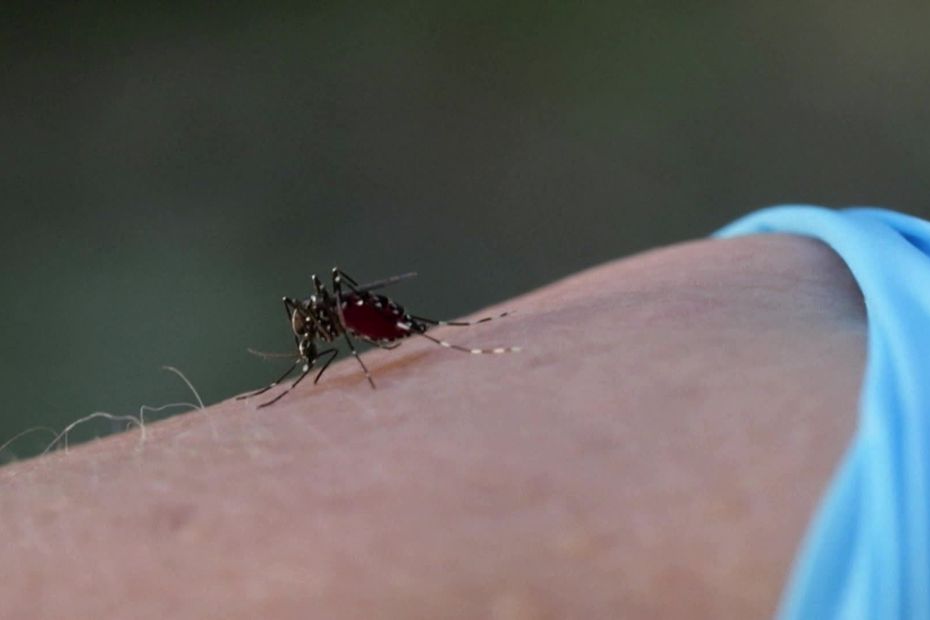
The intervention, executed in the dead of night between August 11 and August 12, was ordered after health officials confirmed that a traveler carrying the virus had passed through the area. According to Rémi Foussadier, director general of the EID, the affected individual had recently returned from abroad and made several stops across the Rhône-Alpes region before the infection was identified. Because female tiger mosquitoes can acquire the virus after feeding on an infected person and subsequently transmit it, public health protocols mandate rapid vector control measures.
A 150-Meter Perimeter Secured Against Transmission
To prevent local transmission, specialized teams treated a 150-meter perimeter surrounding the confirmed exposure site. The regional health agency noted that the products and dosages deployed during the operation posed no risk to human health, though residents received informational flyers outlining standard precautionary measures. Local resident Brigitte acknowledged the official guidance, stating that households in the treatment zone followed instructions to close windows and keep pets indoors during the spray window.
Fifteen Years of Tiger Mosquito Establishment
The Asian tiger mosquito has established permanent populations across the Rhône-Alpes region over the past fifteen years. While primary concern centers on imported cases of dengue, the insect is also recognized as a potential vector for other tropical pathogens, including chikungunya and Zika, particularly during the warm summer months. Epidemiologist Élise Brottet of Santé publique France explained that the species enters a state of physiological rest known as diapause during colder months, during which females lay eggs that survive the winter to hatch when temperatures rise.
Tracking Imported Arbovirus Cases Across the Region
Public health surveillance data shows that a total of 27 imported cases of dengue and 12 imported cases of chikungunya have been recorded across the Auvergne-Rhône-Alpes region since the beginning of the year. Health officials emphasize that all current cases originated outside France, but vector control interventions remain critical to stop secondary local transmission cycles while active mosquito populations persist ahead of seasonal temperature drops.
Community Action and Standing Water Elimination
Authorities continue to urge residents in affected municipalities to eliminate standing water sources around homes where tiger mosquitoes lay their eggs. Regional health authorities coordinate ongoing monitoring and issue localized advisories whenever imported arbovirus cases are confirmed. Residents seeking further updates on vector control operations or guidance on personal protection can consult official publications through the regional health agency channels.
We welcome your thoughts on local public health measures—please share your comments or questions below.
Related reading