The global investment landscape is currently witnessing a profound structural shift, as capital migrates from the software-driven promise of artificial intelligence toward the tangible, high-stakes reality of AI hardware. While the initial “AI gold rush” focused on the companies building large language models, the current phase of the cycle is being defined by the “picks and shovels”—the semiconductors and memory components that make these digital marvels possible.
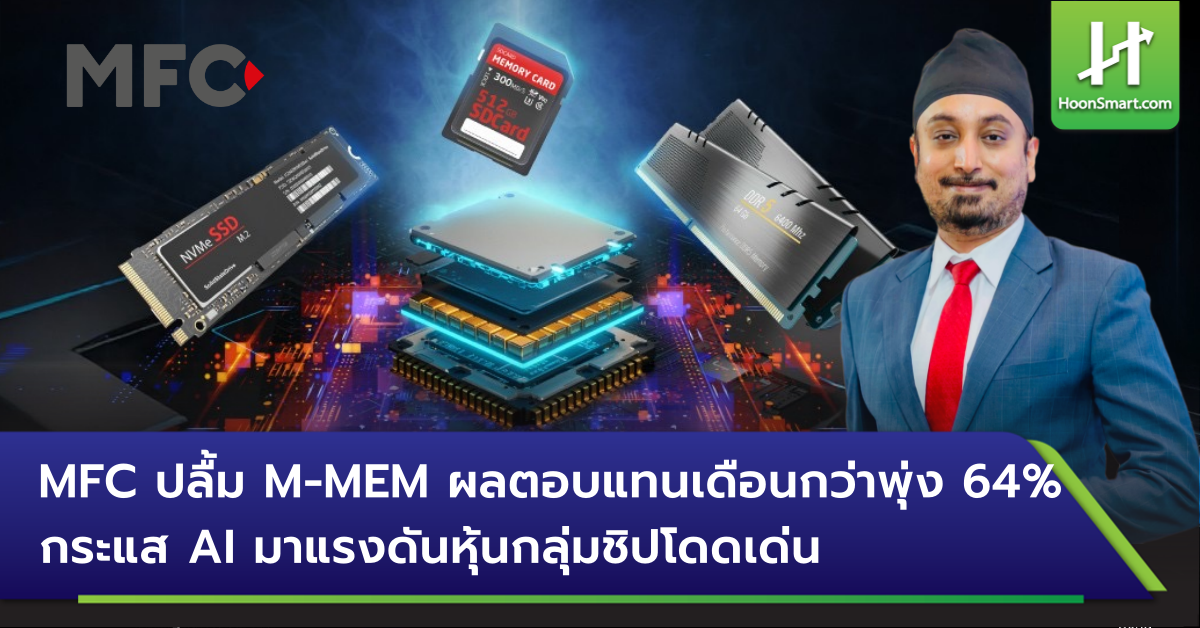
Nowhere is this transition more visible than in the specialized equity markets targeting the semiconductor sector. Recent market data has highlighted a staggering surge in performance for targeted funds, most notably the M-MEM fund managed by MFC Asset Management, which has reportedly seen returns jump by as much as 64% within a single month. This meteoric rise is not an isolated anomaly but a reflection of a broader, aggressive reallocation of global capital toward the semiconductor and memory chip industries.
As a business editor who has spent nearly two decades tracking global market cycles, I find this movement particularly telling. We are seeing a move away from the speculative “AI hype” and into a period of “AI implementation,” where the primary bottleneck is no longer just code, but the physical capacity of silicon to process and store vast amounts of data. For investors, the story is no longer just about who wins the AI race, but about who provides the essential infrastructure that allows the race to happen.
The Memory Revolution: Why HBM is the New Gold
To understand the massive performance of funds like M-MEM, one must look beneath the surface of the broader semiconductor market and focus on the specific demand for High Bandwidth Memory (HBM). As AI models grow in complexity, the traditional methods of data transfer between a processor and memory are becoming insufficient. The resulting “memory wall” has created an urgent, high-margin demand for HBM technology.
HBM is a specialized type of DRAM (Dynamic Random-Access Memory) that stacks memory chips vertically, allowing for much higher data speeds and significantly greater capacity in a smaller footprint. This technology is indispensable for the high-performance computing (HPC) environments required to train and run generative AI models. The companies that dominate the HBM supply chain—most notably SK Hynix, Micron Technology, and Samsung Electronics—have become the primary beneficiaries of this technological pivot.
The surge in the M-MEM fund’s returns can be directly attributed to the heavy weighting of these memory giants. As data centers across the globe scramble to upgrade their hardware to support AI workloads, the pricing power of memory manufacturers has increased significantly. We are seeing a transition from a cyclical commodity-driven memory market to a structural, demand-driven growth market, where the scarcity of advanced HBM chips provides a significant tailwind for stock valuations.
The Foundry Backbone: TSMC and the Manufacturing Imperative
While memory provides the capacity, the logic processing—the “brains” of the AI operation—relies on advanced manufacturing processes that only a handful of companies in the world can execute. At the center of this ecosystem stands Taiwan Semiconductor Manufacturing Company (TSMC). As the world’s most advanced foundry, TSMC is the indispensable partner for nearly every major AI chip designer, including Nvidia and Apple.
The current demand for AI-capable logic chips, particularly those built on 3nm and 5nm process nodes, has placed TSMC in a position of unparalleled market influence. The company’s ability to scale production to meet the insatiable demand from hyperscalers (such as Microsoft, Google, and Amazon) has made it a cornerstone of any semiconductor-focused investment strategy. The recent volatility in the broader tech sector has often bypassed the foundational strength of foundries like TSMC, as their role in the supply chain is considered non-discretionary.
the geopolitical considerations surrounding semiconductor manufacturing have only increased the strategic importance of these companies. As nations race to secure their own domestic chip supplies, the investment thesis for leading-edge foundries has expanded from pure growth to a combination of growth and critical national infrastructure. This dual identity is driving long-term institutional interest in the semiconductor manufacturing layer.
Powering the AI Data Center: The Rise of Specialized Semiconductors
A frequently overlooked aspect of the AI boom is the massive energy requirement of modern data centers. The shift toward AI-intensive computing isn’t just a matter of processing speed; it is a matter of power management. This has opened a significant secondary market for power semiconductors—components that manage, convert, and distribute electricity efficiently within highly complex server architectures.
Companies like ON Semiconductor (onsemi) have seen significant momentum as the industry moves toward more efficient power management solutions. As AI hardware draws more power than ever before, the need for high-performance power semiconductors that can minimize heat and maximize energy delivery has become critical. This has led to recent reports of stock price surges in the power semiconductor segment, with some companies reaching historic highs as they become integral to the “AI infrastructure” narrative.
This expansion of the AI investment thesis—from logic and memory to power management—suggests that the semiconductor rally is becoming more diversified. Investors are no longer just looking at the “headline” chipmakers; they are looking at the entire ecosystem required to keep the lights on in the digital age. This diversification provides a more robust foundation for semiconductor-focused funds, as the growth is spread across multiple specialized sub-sectors.
Strategic Implications for Global Investors
For the global investor, the current state of the semiconductor market presents both opportunity and complexity. The rapid growth seen in funds like M-MEM highlights the potential for massive alpha in specialized sectors, but it also requires a sophisticated understanding of the supply chain. A simple “buy the index” approach may miss the nuanced shifts between logic, memory, and power semiconductors.
From an economic policy perspective, the concentration of this technology within a few key companies and geographic regions remains a point of significant concern for global regulators. The “chip wars” are not just about trade balances; they are about the fundamental ability of a nation to participate in the next era of economic productivity. Which means that semiconductor stocks are increasingly influenced by geopolitical developments, trade restrictions, and government subsidies (such as the U.S. CHIPS Act and similar initiatives in Europe and Asia).
As we look toward the remainder of 2025 and 2026, the key metric to watch will be the capital expenditure (CapEx) of the world’s largest cloud service providers. As long as these giants continue to increase their spending on physical hardware to maintain their AI competitive edge, the semiconductor sector will likely remain the primary engine of the technology market.
Key Takeaways for the Semiconductor Sector

- The Memory Shift: High Bandwidth Memory (HBM) has transformed the memory sector from a cyclical commodity market into a high-growth, AI-essential industry.
- Infrastructure over Software: Investment capital is increasingly flowing toward the hardware (foundries, memory, power) that enables AI, rather than just the software that uses it.
- Diversified Growth: The AI rally is expanding beyond logic chips into power management semiconductors and advanced manufacturing processes.
- Geopolitical Nexus: Semiconductor investments are now inextricably linked to national security and global trade policy.
Frequently Asked Questions
- Why is memory so important for AI?
- AI models require massive amounts of data to be moved between the processor and the memory instantly. Standard memory is too slow, creating a bottleneck. High Bandwidth Memory (HBM) solves this by stacking chips vertically to increase speed and capacity.
- What is the difference between a chip designer and a foundry?
- A chip designer (like Nvidia) creates the blueprints for the semiconductor. A foundry (like TSMC) actually manufactures the physical chips based on those blueprints using highly advanced factory processes.
- Is the semiconductor rally a bubble?
- While valuations are high, many analysts argue this is a structural shift driven by real, unprecedented demand for AI infrastructure, rather than purely speculative mania. However, monitoring CapEx trends is essential for assessing sustainability.
The next major checkpoint for this sector will be the upcoming quarterly earnings reports from the major memory manufacturers and the high-cap cloud providers, which will provide definitive data on whether the current level of hardware spending is accelerating or stabilizing. We will continue to monitor these filings closely.
What are your thoughts on the current semiconductor rally? Are you focusing on the hardware or the software side of the AI revolution? Let us know in the comments below and share this analysis with your network.
Worth a look