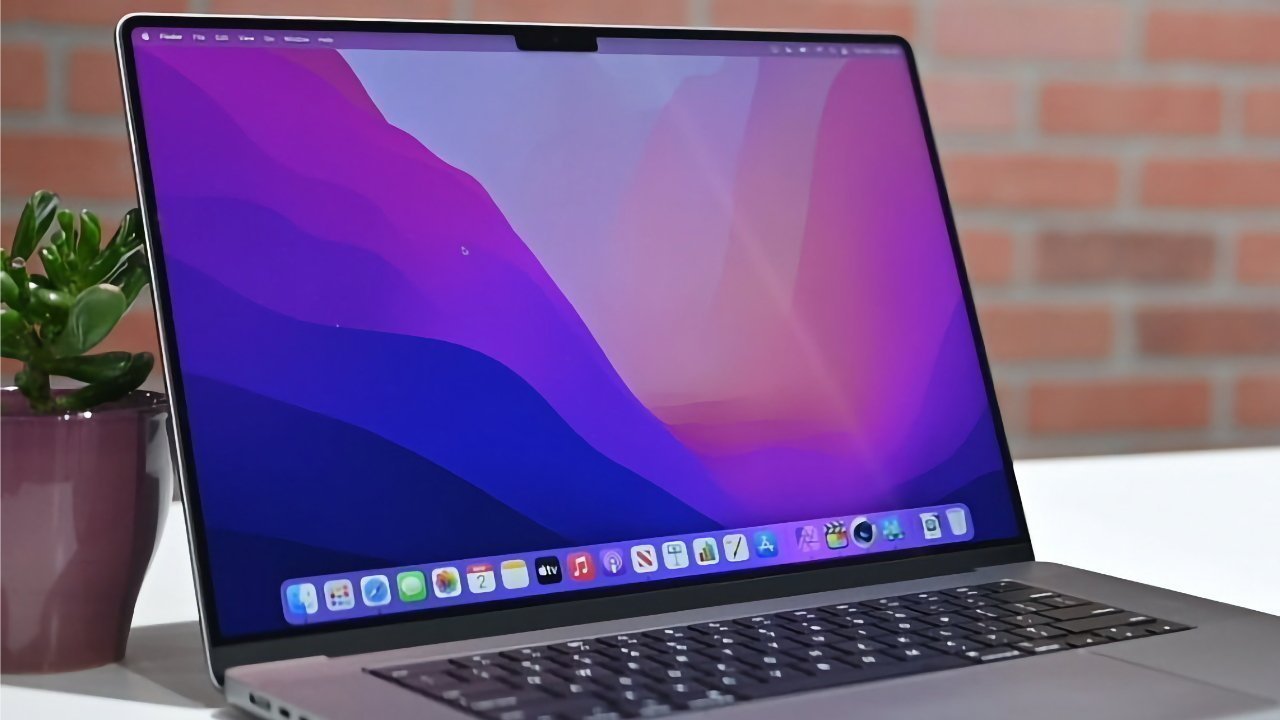
The Future of Display: Will OLED Be exclusive too High-End MacBook Pros?
The world of laptop displays is on the cusp of a significant shift, and AppleS MacBook Pro is at the forefront. Recent reports suggest that while an OLED upgrade is indeed coming, it might not be a global feature across the entire lineup. This raises a crucial question: will you need to invest in a higher-tier model to experience the benefits of OLED technology on your next MacBook Pro? Let’s dive into the details,exploring the implications for consumers and the potential reasoning behind Apple’s strategy.
Understanding the OLED Buzz: Why the Hype?
OLED (Organic Light Emitting Diode) displays offer several advantages over conventional LCD (Liquid Crystal display) screens. These include:
* Superior Contrast: OLEDs can achieve true blacks, resulting in a dramatically improved contrast ratio and more vibrant images.
* Faster Response Times: this translates to smoother motion, especially noticeable in fast-paced content like gaming or video editing.
* Wider Viewing Angles: Colors remain consistent even when viewed from off-center.
* Potential for Thinner & Lighter Designs: OLED panels don’t require a backlight, allowing for slimmer profiles.
the 2026/2027 OLED Rollout: A Phased Approach
According to Bloomberg’s Mark Gurman, Apple’s OLED transition for the MacBook Pro is expected between late 2026 and early 2027.Tho, the initial rollout won’t encompass all models. The current expectation is that the OLED display will initially be reserved for the M6 Pro and M6 Max configurations.
This phased approach is a common strategy for Apple, allowing them to manage production costs, refine the technology, and gauge consumer demand before a wider release. It also creates a clear differentiation between the standard and premium MacBook Pro models.
| Feature | LCD (Current MacBook Pro) | OLED (Expected M6 Pro/Max) |
|---|---|---|
| Contrast Ratio | 1,000,000:1 (typical) | >1,000,000:1 (perhaps much higher) |
| Black levels | Grayish-black | True Black |
| Response Time | 8-14ms | <1ms |
| Power Consumption | Generally lower | Potentially higher, but improving |
Why Limit OLED to Pro Models? A Strategic Analysis
Several factors could be driving Apple’s decision to initially limit OLED to the higher-end MacBook Pro models:
* Cost: OLED panels are currently more expensive to manufacture then LCDs. Restricting the feature to Pro models allows Apple to maintain profitability on those premium devices.
* Target Audience: Professionals who rely on color accuracy and visual fidelity – such as photographers, video editors, and graphic designers – will likely benefit the moast from OLED technology. Targeting these users with the upgrade makes sense.
* Battery Life Considerations: Early OLED panels consumed more power than LCDs. While efficiency has improved, Apple may be waiting for further advancements to ensure OLED doesn’t substantially impact battery life on the base MacBook Pro models.
* Supply Chain Management: Securing a sufficient supply of high-quality OLED panels for a full rollout could be challenging. A phased approach allows Apple to manage supply chain constraints more effectively.
Keep reading