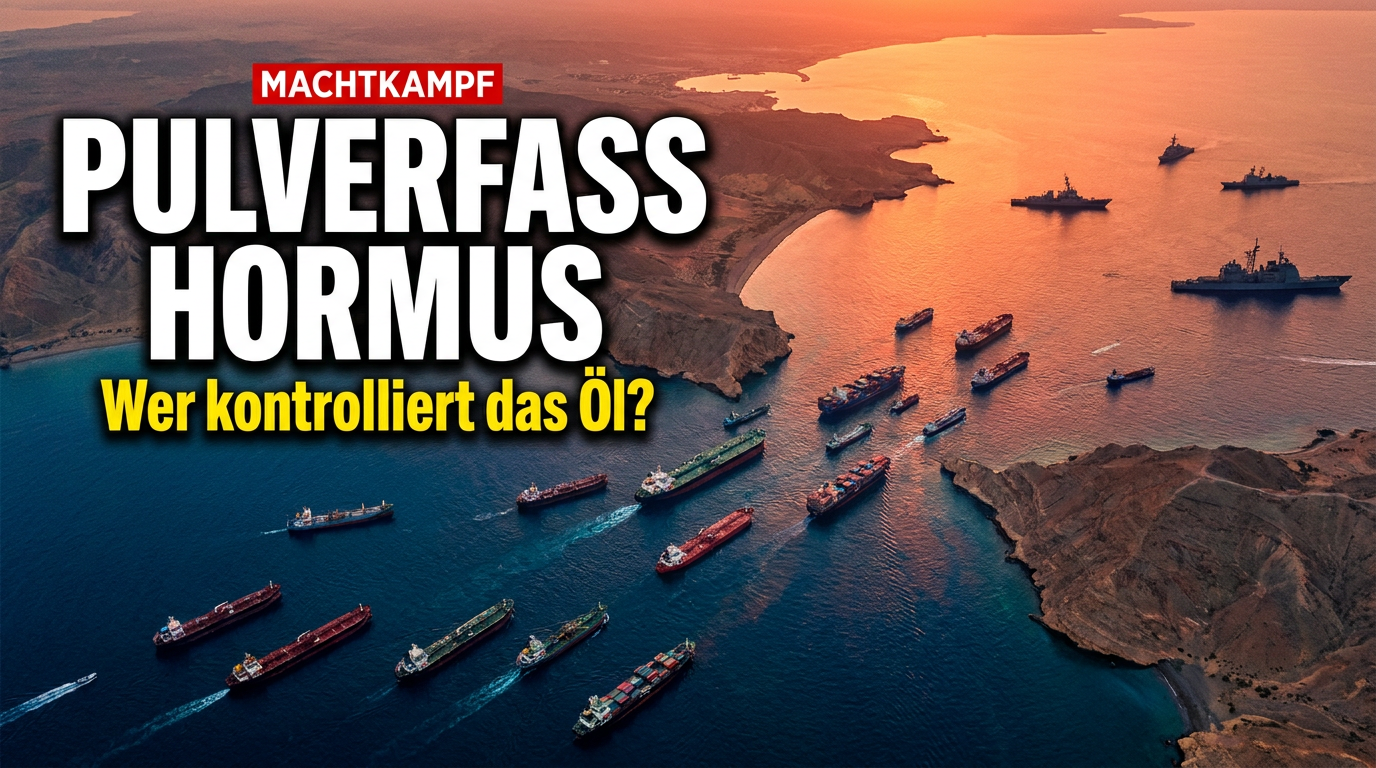
The Strait of Hormuz, a narrow waterway essential to global energy markets, remains a focal point of international maritime security efforts as Western powers and regional actors navigate heightened tensions. Recent efforts by France and the United Kingdom, in coordination with the Sultanate of Oman, to bolster security along this critical maritime corridor have highlighted the ongoing challenges in maintaining the flow of roughly 20% of the world’s total petroleum liquids consumption, according to data from the U.S. Energy Information Administration.
While reports of collaborative security initiatives have surfaced, the geopolitical landscape remains complex. Iran has consistently maintained a position of opposition toward external military presence in the Persian Gulf, asserting that regional security should be managed exclusively by littoral states. This disagreement underscores the persistent friction between international maritime security coalitions and Tehran’s regional policy.
The Strategic Significance of the Strait
The Strait of Hormuz serves as a vital chokepoint, connecting the Persian Gulf with the Gulf of Oman and the Arabian Sea. Its economic importance cannot be overstated; daily oil flows through the strait averaged 21 million barrels per day in 2022, representing approximately 21% of global petroleum liquids consumption, as documented by the U.S. Energy Information Administration. Any disruption to this route, whether through regional conflict, sanctions enforcement, or maritime incidents, carries immediate consequences for global energy prices and supply chain stability.

Because of this dependency, nations with significant economic interests in the region, including the United Kingdom and France, have historically sought to maintain a presence to ensure freedom of navigation. The Sultanate of Oman, occupying a strategic position along the strait, acts as a crucial diplomatic and logistical partner in these discussions, often balancing its role as a regional mediator with its security cooperation agreements.
Diplomatic Friction and Regional Security
The Iranian government has long expressed disapproval of Western-led maritime security initiatives in the Persian Gulf. According to reports from the Reuters news agency, Tehran argues that foreign military involvement serves to destabilize the region rather than protect it. Iranian officials have frequently called for a regional security framework that excludes outside powers, suggesting that the presence of non-littoral naval forces increases the risk of miscalculation and confrontation.

This stance creates a diplomatic impasse. While France and the U.K. advocate for the protection of international shipping lanes—a principle rooted in the United Nations Convention on the Law of the Sea—Iran views these naval deployments as an encroachment on its sphere of influence. The tension is compounded by the broader context of international sanctions and the ongoing disputes regarding Iran’s nuclear program, which remain monitored by the International Atomic Energy Agency.
The Role of International Coalitions
Security in the region is not handled by a single entity, but rather through a patchwork of international efforts. The International Maritime Security Construct (IMSC), a multinational coalition, was established to monitor and deter threats to commercial shipping. Participation in such groups often fluctuates based on domestic political considerations and the evolving risk profile of the region.

France, for instance, has operated its own mission, known as EMASOH (European-led Maritime Awareness in the Strait of Hormuz), headquartered in Abu Dhabi. According to the EMASOH official portal, the mission focuses on de-escalation and maritime domain awareness, emphasizing a diplomatic approach to security that distinguishes it from more aggressive military postures. This nuance is critical, as it allows European nations to maintain a security presence while attempting to preserve channels of communication with regional capitals, including Tehran.
What Happens Next: Monitoring the Chokepoint
The security situation in the Strait of Hormuz is unlikely to see a definitive resolution in the near term. Instead, it remains in a state of managed friction. Market analysts and geopolitical observers continue to watch for three primary indicators:
- Maritime Incidents: Any reported seizure of commercial vessels or harassment of tankers typically triggers an immediate spike in insurance premiums for shippers, a cost that is eventually passed on to global consumers.
- Diplomatic Signaling: Future meetings between the Gulf Cooperation Council (GCC) members and their European or American counterparts will serve as a barometer for the durability of current security arrangements.
- Sanctions Enforcement: The ongoing enforcement of maritime sanctions remains a point of contention, with Western naval vessels frequently tasked with monitoring compliance, an activity that Iran consistently characterizes as illegal interference.
For businesses and investors, the stability of this waterway remains a top-tier risk factor. While no major conflict has closed the strait in recent years, the necessity for constant naval monitoring confirms that the region remains a high-stakes arena for global economic policy. Readers seeking the most recent updates on maritime security developments in the region can monitor official advisories provided by the Maritime Security Centre – Oman.
The situation remains fluid, with no immediate date set for a comprehensive resolution to the conflicting security visions held by the involved parties. We encourage our readers to participate in the conversation by sharing their perspectives on the balance between international energy security and regional sovereignty in the comments section below.