machu Picchu Train Collision: A Deep Dive into Safety, Infrastructure, and Tourism Impact
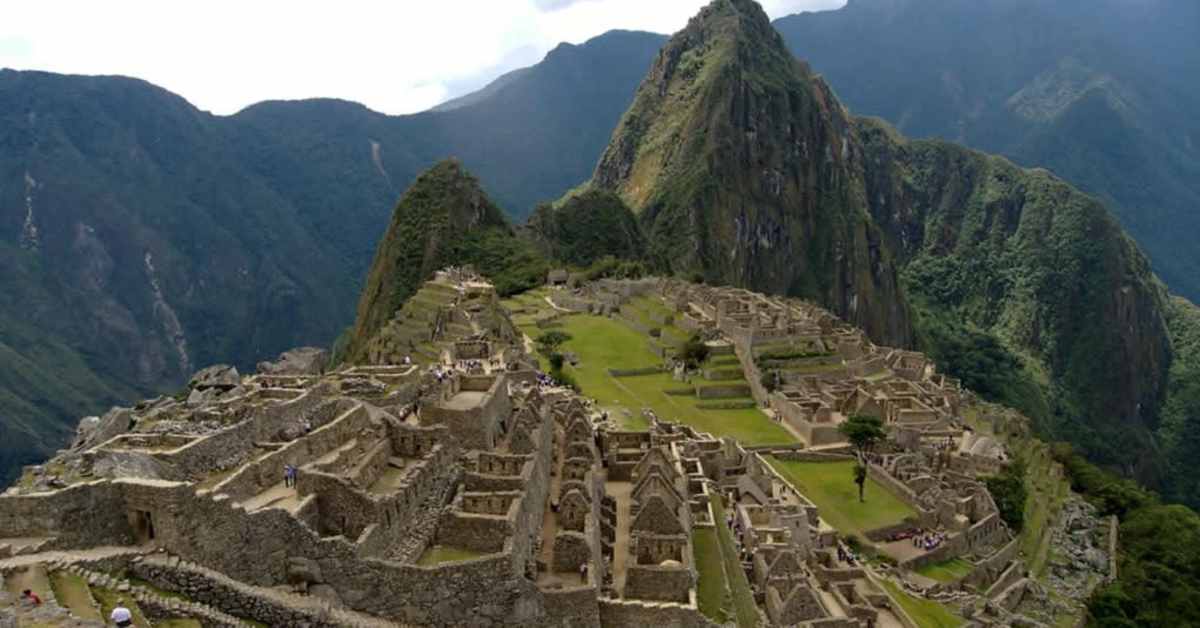
The tragic collision of two tourist trains near the iconic Machu Picchu archaeological site on December 31, 2024, resulting in one fatality and at least 40 injuries, underscores critical questions about safety protocols, infrastructure capacity, and the sustainable management of tourism at this world-renowned destination. This incident, involving a railway worker as the deceased, demands a thorough examination beyond initial reports. This article provides an in-depth analysis of the event, its potential causes, the broader context of Machu Picchu tourism, and what steps can be taken to prevent future tragedies. We’ll explore the complexities of operating a railway in a challenging geographical surroundings, the increasing pressures of visitor numbers, and the importance of robust safety measures.
Understanding the Incident & Immediate Aftermath
Initial reports indicate that a train arriving at Machu Picchu collided with another train traveling in the opposite direction. The cause of the collision remains under investigation, but several factors are likely being considered. These include potential signaling failures, track maintenance issues, human error, and the logistical challenges of managing train traffic on a single-track line.
The railway operator, PeruRail, is cooperating with authorities in the investigation. The incident immediately prompted a temporary suspension of train services, impacting thousands of tourists and disrupting access to the site. Emergency response teams were quickly deployed to provide medical assistance and evacuate the injured.
Did You know? Machu Picchu welcomes approximately 1.5 million visitors annually, making it one of the most popular tourist destinations in South America. This high volume of traffic places significant strain on the region’s infrastructure.
The Infrastructure Challenge: Railways in a unique Landscape
Operating a railway to Machu Picchu is inherently complex.The terrain is mountainous and prone to landslides, requiring constant monitoring and maintenance. The railway line, built in the early 20th century, has undergone upgrades, but its capacity remains limited.
Here’s a breakdown of the key infrastructural considerations:
* Single-Track System: Much of the line operates on a single track, necessitating carefully coordinated scheduling and passing loops.This increases the risk of collisions if interaction or signaling systems fail.
* Geological Instability: The Andes Mountains are susceptible to landslides and rockfalls, particularly during the rainy season.regular inspections and preventative measures are crucial.
* aging Infrastructure: While PeruRail invests in maintenance, sections of the railway are decades old and require ongoing attention to ensure structural integrity.
* Limited Capacity: The current infrastructure struggles to accommodate the growing number of tourists, leading to congestion and potential safety compromises.
Pro Tip: If you’re planning a trip to Machu Picchu, book yoru train tickets and permits well in advance, especially during peak season. Consider alternative transportation options like hiking the Inca Trail, but be prepared for a physically demanding journey.
Tourism Pressure & Sustainable Practices
The increasing popularity of Machu picchu presents a significant challenge to its long-term sustainability. While tourism generates vital revenue for the local economy, it also puts immense pressure on the site’s infrastructure and environment.
Consider these points:
* Visitor Limits: The Peruvian government has implemented daily visitor limits to protect the site from overcrowding. However, enforcement can be challenging.
* Infrastructure Investment: Continued investment in railway upgrades, road improvements, and waste management systems is essential.
* Community Involvement: Engaging local communities in tourism planning and ensuring thay benefit from the industry is crucial for long-term sustainability.
* Alternative Routes: Promoting alternative trekking routes and dispersal of tourists to other attractions in the region can alleviate pressure on Machu Picchu itself.
Safety Protocols & Potential Improvements
The recent collision highlights the need for a comprehensive review of safety protocols along the machu picchu railway. Several areas warrant immediate attention:
- Signaling Systems: Upgrade to modern, automated signaling systems to reduce the risk of human error.
- Track Monitoring: Implement more frequent and sophisticated track inspections using advanced technologies like drones and laser scanning.
- Communication Systems: Ensure reliable communication between train operators, dispatchers, and maintenance crews.
4



![Young Women & Early Detection: Why Screening Guidelines Miss the Mark [PODCAST]](https://i0.wp.com/s35601.pcdn.co/wp-content/uploads/2020/06/rohog.png?resize=150%2C100&ssl=1 "Young Women & Early Detection: Why Screening Guidelines Miss the Mark [PODCAST]")