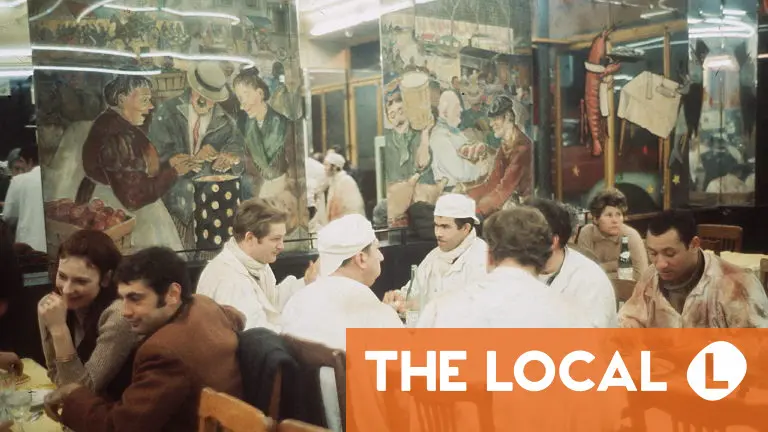
France’s beloved bistros, cornerstones of its culinary and social life, are now vying for a prestigious place on UNESCO’s Intangible Cultural Heritage list. This initiative, gaining momentum in early 2026, recognizes the unique role these establishments play in preserving French traditions and fostering community.
The Fight to Preserve the French Bistro
President Emmanuel Macron publicly endorsed the campaign during the annual Galette des Rois festivity at the Elysée Palace on Monday,January 7th,2026. he emphasized that bistros represent the pinnacle of French culinary expertise and deserve recognition. The Association of French Bistros and Cafés initially launched this campaign in 2024, asserting that these venues are guardians of time, spanning over centuries and generations.
But what exactly defines a French bistro? Traditionally, a bistrot is a small, unpretentious restaurant offering simple, home-style cooking at affordable prices, accompanied by wine or other beverages. It’s a place where locals gather, conversations flow, and the pace of life slows down.
What Makes a Bistro a Bistro?
Interestingly, there isn’t a strict legal definition of a “bistro” in France. However, certain characteristics are generally understood. You can typically expect to find classic French dishes like boeuf bourguignon, steak-frites, and blanquette de veau on the menu.
many bistros also boast a charming, old-fashioned interior, reflecting years of history and creating a warm, inviting atmosphere.I’ve found that the ambiance is just as vital as the food – it’s about stepping into a little slice of French life.
Did You Know? The term “bistro” is believed to originate from the Russian word “bystro” (quickly), reportedly shouted by soldiers during the Franco-Russian alliance in the early 19th century, demanding a quick drink at Parisian cafes.
Though, these cherished institutions are facing increasing challenges. The rising cost of living, coupled with the growing popularity of fast food and food delivery services, is impacting traditional dining habits. According to a recent report by Statista, fast-food revenue in France increased by 6.5% in 2024, while traditional restaurant sales saw a modest 1.2% growth.
UNESCO Recognition: Why It Matters
UNESCO’s list of Intangible Cultural Heritage celebrates traditions and practices that are considered vital to a community’s identity. It already includes the French baguette, inscribed in 2022, and the broader French gastronomic tradition
. Inclusion on this list would not only raise awareness of the bistro’s cultural significance but could also provide support for their preservation.
The list encompasses a wide range of cultural expressions, from storytelling to performing arts, and aims to safeguard these practices for future generations. It’s a powerful symbol of recognition and a call to action to protect what makes a culture unique.
Beyond the bistro campaign, Macron also advocated for legislation allowing bakeries to open on May 1st, provided employees receive increased compensation. This issue sparked considerable debate last year, highlighting the complexities of balancing tradition with modern labor practices.
Pro Tip: When visiting a bistro, don’t be afraid to ask the owner or staff about the history of the establishment. You’ll often uncover interesting stories and gain a deeper recognition for its cultural significance.
The future of the French bistro hangs in the balance.Will these beloved establishments continue to thrive, or will they succumb to the pressures of modern life? The UNESCO campaign represents a crucial step in ensuring their survival and preserving a vital part of French heritage. Protecting these spaces isn’t just about saving restaurants; it’s about safeguarding a way of life.
Ultimately,the French bistro is more than just a place to eat
Keep reading