France Seeks to Bolster European Nuclear Deterrence Amid Shifting Geopolitical Landscape
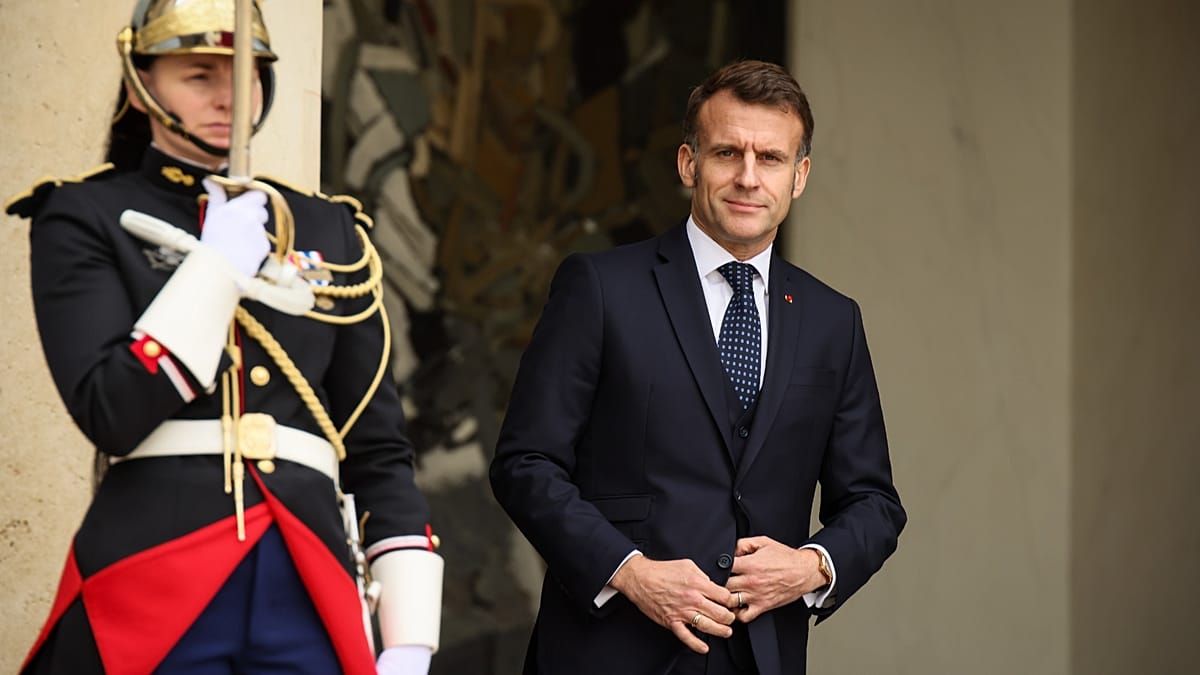
As global security concerns escalate, France is poised to outline a vision for strengthening Europe’s nuclear deterrence capabilities. President Emmanuel Macron is expected to deliver a landmark speech on Monday, February 26, 2026, from the Île Longue peninsula in Brittany, home to France’s nuclear-powered ballistic missile submarines. This address comes as anxieties deepen across the continent regarding the reliability of the United States’ security commitments and the growing threat of nuclear proliferation. The core of Macron’s argument, according to sources, will be that an enhanced European deterrent is not intended to rival, but rather to complement, the existing U.S. Nuclear umbrella.
The move reflects a significant shift in European thinking, spurred by Russia’s full-scale invasion of Ukraine in February 2022 and the subsequent return of Donald Trump to the U.S. Presidency. These events have prompted a reassessment of European defense strategies and a growing desire for greater strategic autonomy. Trump’s questioning of NATO’s collective defense commitments, including a recent threat to use military force against Denmark over Greenland, as reported by multiple news outlets, has further fueled these concerns. The United States has also signaled a potential partial withdrawal of troops and equipment from Europe as it focuses on the Indo-Pacific region, a move that, while details remain unclear, has added to the sense of uncertainty.
France’s proposal, initially floated in 2020, involves exploring ways to “involve” European partners in exercises related to its nuclear deterrent. While the initial offer garnered limited interest, Macron confirmed earlier this month at the Munich Security Conference that he has been engaged in “strategic dialogue” with German Chancellor Friedrich Merz and other European leaders regarding a collective approach to nuclear deterrence. This renewed push comes amidst a broader context of increasing global instability, characterized by Russia’s development of hypersonic missiles, China’s rapid expansion of its nuclear arsenal and ongoing concerns about Iran’s nuclear ambitions.
A Response to Evolving Threats and Uncertain Alliances
The renewed focus on European nuclear deterrence is not simply a reaction to perceived shifts in U.S. Policy. It also stems from a growing recognition of the vulnerabilities exposed by the war in Ukraine. The conflict underscored Europe’s dependence on external actors for its security and highlighted the need for greater self-reliance. This sentiment is particularly strong in light of the escalating tensions with Russia and the potential for further aggression. The current geopolitical climate, as described by sources close to the French president, is “fundamentally conducive to nuclear proliferation,” making a robust European deterrent all the more crucial.
However, the path towards a more integrated European nuclear posture is fraught with challenges. NATO Secretary General Mark Rutte and the European Union’s Defence Commissioner Andrius Kubilius have both cautioned that developing an independent European nuclear capability would be prohibitively expensive and time-consuming. The complexities of command and control, as well as the political sensitivities surrounding nuclear weapons, further complicate the issue. Despite these obstacles, Macron’s speech signals a determination to push forward with the discussion and explore potential avenues for collaboration.
France’s nuclear doctrine is based on the principle of “strict sufficiency,” meaning it maintains a nuclear arsenal sized to inflict “unacceptable damage” on any potential aggressor. Currently, France possesses approximately 300 nuclear warheads, significantly fewer than the estimated 3,500 held by the United States and Russia, according to the Federation of American Scientists. This approach reflects a commitment to nuclear non-proliferation and a rejection of an arms race, as emphasized by French officials.
Strengthening Franco-British Cooperation
In the interim, France and the United Kingdom are already deepening their nuclear cooperation. The Northwood Declaration, signed last summer, formalized a commitment to enhanced collaboration and coordination. A Nuclear Steering Group has been established to provide political direction for this work, and the two countries now participate in each other’s nuclear exercises. This bilateral partnership serves as a potential model for broader European cooperation in the future. The declaration, signed on August 9, 2025, underscores a shared commitment to maintaining a credible nuclear deterrent in the face of evolving threats.
The timing of Macron’s speech also coincides with a period of heightened diplomatic tensions between France and the United States. On February 24, 2026, France restricted access for U.S. Ambassador Charles Kushner to French government officials after he failed to attend a scheduled meeting at the Ministry for Europe and Foreign Affairs to discuss comments made by the Trump administration following the death of a French far-right activist. This incident, coupled with Macron’s recent criticisms of U.S. Trade policies and broader concerns about Washington’s commitment to multilateralism, underscores the growing divergence between the two allies.
US Court Ruling on Tariffs and European Response
Adding to the complex geopolitical backdrop, the U.S. Supreme Court recently ruled that tariffs imposed by President Trump under an economic emergency law were illegal. This decision, handed down on February 21, 2026, was welcomed by Macron as a demonstration of the importance of checks and balances within the U.S. System. However, Macron also cautioned that France would carefully consider the consequences of Trump’s newly announced 10% global tariff and adapt its policies accordingly, emphasizing the need for “reciprocity” and a rejection of “unilateral decisions.” This stance reflects a growing determination within Europe to defend its economic interests and assert its strategic autonomy.
The situation is further complicated by the ongoing war in Ukraine and the broader implications for European security. The conflict has exposed the vulnerabilities of European energy supplies and highlighted the need for greater investment in defense capabilities. As the geopolitical landscape continues to evolve, Macron’s speech on Monday is expected to mark a pivotal moment in the debate over Europe’s future security architecture.
While the details of Macron’s proposal remain to be seen, France is seeking to play a leading role in shaping a more resilient and independent European defense posture. The success of this endeavor will depend on the willingness of other European nations to embrace a more assertive approach to security and to invest in the necessary capabilities to defend their interests. The coming months will be crucial in determining whether Macron’s vision can translate into concrete action and a more secure future for Europe.
The next key development to watch will be the reaction from Germany and other EU member states following Macron’s speech on February 26th. Discussions are expected to intensify in the lead-up to the European Council meeting in March, where the issue of European defense and security is likely to be a prominent topic on the agenda. Readers are encouraged to share their thoughts and perspectives on this critical issue in the comments section below.
Related reading