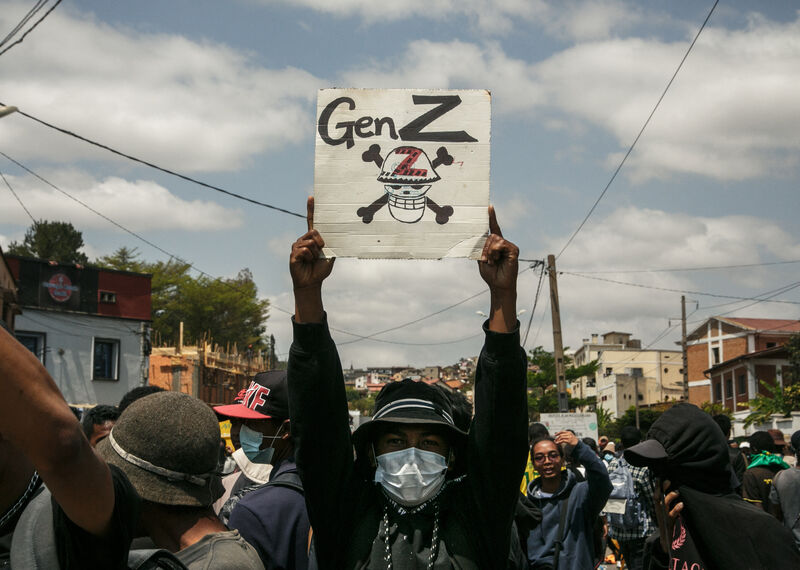
On April 17, 2026, Amnesty International issued an urgent call for Madagascar’s military authorities to immediately end the repression of Gen Z activists and protect the right to peaceful protest. The organization’s Regional Director for East and Southern Africa, Tigere Chagutah, condemned the employ of vaguely worded charges such as criminal conspiracy and threats to national security to silence young people voicing concerns about governance and public services in the Indian Ocean nation.
The statement follows a deepening crackdown on dissent since the military seized power in October 2025, following youth-led protests demanding improved access to water, electricity, and more inclusive governance. Amnesty International reported that authorities have detained activists, civil society members, and others linked to the previous administration under the guise of a zero-tolerance anti-corruption campaign, using broad legal provisions to target peaceful dissent.
Chagutah emphasized that these actions violate fundamental rights to freedom of expression, association, and peaceful assembly under international human rights law. “No one should face arbitrary arrest, detention or enforced disappearance simply for voicing their concerns about the running of their country,” she said, urging authorities to disclose the fate of those forcibly disappeared and unconditionally release all individuals detained solely for exercising their rights.
The rights group specifically called on Malagasy authorities to respect, protect, and facilitate the right of assembly during protests planned for April 18, 2026. Chagutah warned that the current climate of fear is designed to evade accountability over government policies, public appointments, and the management of state resources, while entrenching authoritarian control under the pretext of reform.
Madagascar’s military takeover in October 2025 ended a transitional period marked by promises of democratic renewal following widespread youth mobilization in 2025. Protesters had highlighted systemic failures in basic service delivery, particularly in rural and urban communities struggling with intermittent water and electricity supplies. The recent authorities initially pledged to address these grievances but have since shifted toward silencing critics through legal harassment and security force interventions.
Amnesty International’s March 2026 report detailed how the junta has repurposed anti-corruption rhetoric to justify restrictions on civil society, including surveillance of activist groups, travel bans on critics, and the use of military courts to prosecute civilians. The organization noted that charges of “destabilization of the state” and “criminal conspiracy” lack clear legal definitions in Malagasy law, enabling their arbitrary application against peaceful demonstrators and social media users.
The April 18 protest date coincides with the sixth anniversary of a 2020 student-led movement that pressured previous administrations to improve tertiary education funding. Activists have signaled plans to renew demands for transparency in public spending, accountability for natural resource revenues, and an end to impunity for security forces involved in past crackdowns. Organizers have stated the demonstrations will be peaceful and focused on socioeconomic rights rather than direct challenges to the military’s authority.
Regional bodies including the African Union and the Southern African Development Community have expressed concern over the deteriorating human rights situation in Madagascar, though neither has issued formal condemnations or suspended the country’s membership. The United Nations Office of the High Commissioner for Human Rights has called for independent investigations into allegations of torture and ill-treatment in detention centers housing political detainees.
Legal experts affiliated with the International Commission of Jurists have warned that the broad interpretation of national security laws in Madagascar undermines judicial independence and violates the country’s obligations under the African Charter on Human and Peoples’ Rights, which guarantees the right to protest and freedom from arbitrary detention. They note that Madagascar’s constitution, while suspended in practice following the coup, still enshrines these protections on paper.
As of April 17, 2026, no official tally of detained activists has been released by Malagasy authorities, and prison visits by independent monitors remain restricted. Amnesty International continues to urge diplomatic partners to leverage bilateral engagements to press for the release of prisoners of conscience and the restoration of civic space ahead of any potential electoral timeline.
The situation in Madagascar underscores a broader trend across parts of Africa where youth-led movements demanding accountability have faced pushback from military-led governments citing stability concerns. Analysts caution that without meaningful dialogue and respect for fundamental freedoms, repression risks fueling deeper instability rather than resolving it.
For updates on the evolving human rights situation in Madagascar, readers are encouraged to consult Amnesty International’s dedicated country page and the latest statements from the UN Human Rights Office.
We welcome your thoughts on this developing story. Share your perspective in the comments below or join the conversation on our social media channels.