Before 1976, Venezuela held a dominant position in the global oil market, producing as much as three million barrels daily. The nation was undeniably wealthy, possessing vast resources, yet this prosperity wasn’t shared by its citizens. Rather, the benefits were largely confined to a select elite, creating a stark contrast between the nation’s potential and the lived realities of its people.
A pivotal figure emerged to challenge this status quo: Hugo Chávez. Elected president in 1998, he initiated the Bolivarian Revolution, a period of important social and political change. This revolution saw impoverished communities lifted from slums and granted access to higher education, leading to a dramatic reduction in poverty rates. For the first time, venezuela’s oil wealth began to directly benefit its population, embodying a long-held socialist ideal.
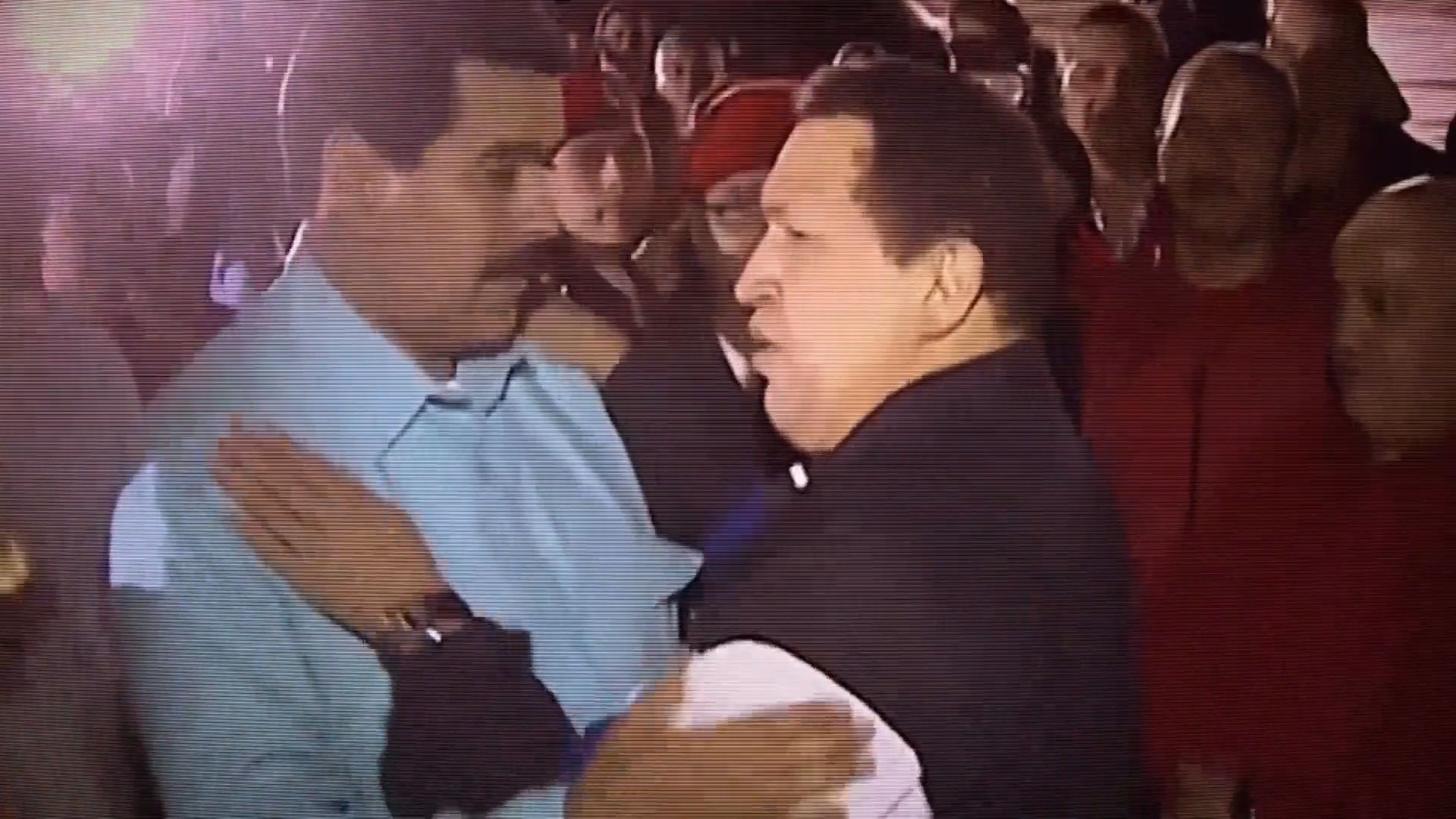
However, Chávez’s health began to decline. In 2013, after fifteen years in power, he designated Nicolás Maduro as his successor, a long-time ally and confidant.Initial expectations were high, with many placing their trust in Maduro to continue Chávez’s legacy. But Maduro’s leadership quickly diverged from his predecessor’s path. The socialist regime took a decidedly authoritarian turn, marked by a violent political police force, suppression of opposition voices, and a neglect of the oil industry, coupled with a growing personality cult.
Despite widespread public discontent, Maduro maintained a base of support. Following a failed coup attempt by the opposition in 2019, he consolidated his power and launched an extensive pro-government propaganda campaign. He cultivated the persona of “Super Bigote,” a vigilante figure protecting the people from perceived American adversaries. This strategy proved effective in rallying staunch socialists and maintaining control.
As of January 9, 2026, Venezuela continues to grapple with the complex legacy of these events. The nation’s economic struggles, exacerbated by declining oil prices and international sanctions, have led to a significant humanitarian crisis, with millions facing food shortages and limited access to healthcare. The political landscape remains deeply polarized, and the future of the Bolivarian Revolution hangs in the balance.
The Rise and Fall of venezuelan Oil Wealth
Venezuela’s story is a cautionary tale about the perils of resource dependence and the challenges of equitable wealth distribution. I’ve found that countries heavily reliant on a single commodity, like oil, are especially vulnerable to economic shocks and political instability. The initial boom in oil revenue in the 20th century didn’t translate into sustainable development for all Venezuelans, creating a system ripe for disruption.
The Chávez years represented a radical attempt to address these inequalities. His policies, while controversial, undeniably improved the lives of many Venezuelans, particularly those from marginalized communities. Though, the long-term sustainability of these policies was questionable, and the subsequent mismanagement under Maduro has led to a dramatic reversal of fortunes.
Here’s a swift comparison of key indicators:
| Indicator | Pre-chávez (1998) | Peak Chávez Era (2012) | Current (2026) |
|---|---|---|---|
| Poverty Rate | 43.9% | 29.5% | 94.5% |
| Oil Production (Barrels/Day) | 2.6 million | 3.2 million | 700,000 |
| GDP per Capita (USD) | $4,000 | $12,000 | $800 |
Did you know? Venezuela possesses the world’s largest proven oil reserves,yet it consistently ranks among the poorest countries in the Western Hemisphere.
The Impact of Political Polarization
The deep political divisions within Venezuela have further exacerbated the country’s problems. The opposition, fragmented and frequently enough lacking a unified strategy, has struggled to effectively challenge maduro’s

Vence Family Recipes: Local Cooking & Traditional Dishes
EU Cybersecurity Agency Accused of AI Errors


Related Posts

Pet-Friendly Parks & Public Spaces: Rules, Hygiene & Safety
January 10, 2026
Iran’s Hyrcanian Forest Fires: Causes, Impact & Conservation Effo ...
January 10, 2026