Maduro’s Legal Defense in Jeopardy as US Sanctions Block Funding
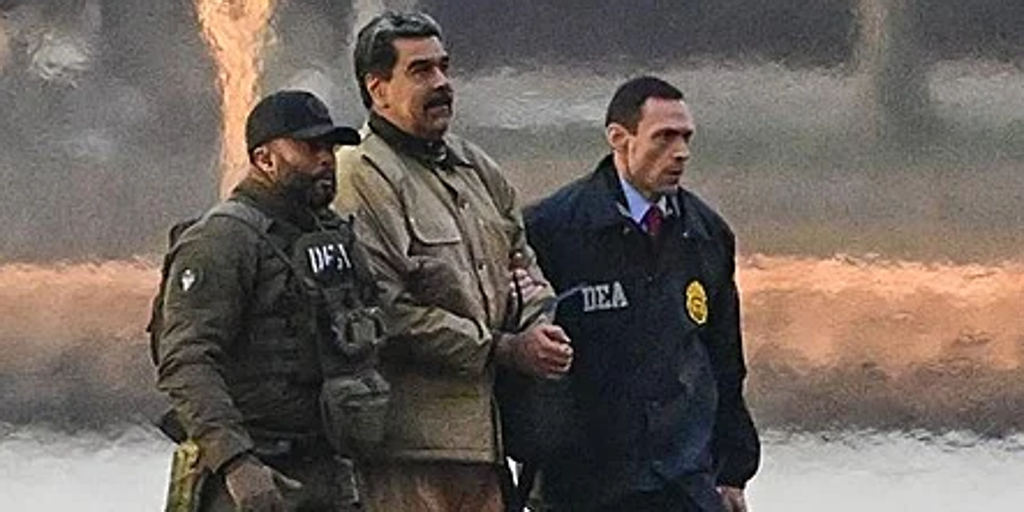
New York – Nicolás Maduro, the former president of Venezuela currently detained at the Metropolitan Detention Center in Brooklyn, faces a growing challenge to his defense in US federal court: the inability to secure funds to pay his legal team. His attorneys have alerted Judge Alvin Hellerstein to the situation, arguing that US Treasury Department sanctions are effectively preventing the transfer of funds from Venezuela to cover legal expenses. The case against Maduro, stemming from allegations of narcoterrorism and other criminal charges, is proceeding even as his ability to mount a robust defense is increasingly constrained. This development adds another layer of complexity to a case already fraught with political implications and international scrutiny.
The situation highlights the far-reaching impact of US sanctions on individuals accused of crimes within the American legal system. Whereas sanctions are intended to target illicit activities and pressure regimes, they can also create obstacles to due process, particularly when defendants claim they are unable to afford legal representation. The core issue revolves around a license granted by the Office of Foreign Assets Control (OFAC) – the Treasury Department arm responsible for administering sanctions – which initially permitted Maduro’s defense to receive funds from the Venezuelan government. However, that license was amended just hours after its issuance, effectively blocking the payment for his legal fees.
The Amended OFAC License and its Implications
According to a letter submitted to Judge Hellerstein by Barry Pollack, Maduro’s lead attorney, the initial license granted on January 9th was swiftly altered without explanation. The amended license specifically prohibits the acceptance of funds from the Venezuelan government to cover the costs of Maduro’s defense. Pollack’s letter details how the OFAC’s actions are “interfering” with Maduro’s Sixth Amendment right to counsel. Notably, the license for Maduro’s wife, Cilia Flores, who is also facing charges in the same case, remains unaltered, allowing her defense to potentially access Venezuelan government funds.
The US government has imposed extensive sanctions on Venezuela and individuals associated with the Maduro regime, citing concerns over corruption, human rights abuses, and involvement in the drug trade. These sanctions aim to isolate the Maduro government and compel a transition to democracy. As reported by Milenio, Maduro and Flores were initially accused in a New York court in 2020, with charges including conspiracy to import cocaine, possession of destructive devices, and, in Maduro’s case, narcoterrorism. The recent development regarding the OFAC license raises questions about the practical application of these sanctions and their potential impact on the fairness of the legal proceedings.
Judge Hellerstein and the Case Against Maduro
Presiding over the case is Judge Alvin Kenneth Hellerstein, a 92-year-old jurist with a distinguished legal career. According to El Imparcial, Hellerstein has previously presided over high-profile cases involving the September 11th attacks, organized crime, and financial offenses. He was appointed to the US District Court for the Southern District of New York in 1998 and has a reputation for meticulousness and a deep understanding of complex legal issues. The Southern District of New York is known for handling significant cases involving international crime and national security.
Maduro was apprehended in Venezuela on January 3rd, 2026, following a large-scale military operation involving over 150 aircraft, reportedly resulting in numerous casualties. The operation, dubbed “Operación Determinación Absoluta,” also led to the arrest of Cilia Flores. Maduro subsequently appeared before Judge Hellerstein on January 5th and pleaded not guilty to the four charges against him. The prosecution alleges that Maduro engaged in a conspiracy to import cocaine into the United States, possessed machine guns and destructive devices, and participated in narcoterrorism. The case is expected to be lengthy and complex, involving extensive evidence gathering and potentially numerous witnesses.
The Defense’s Response and Potential Next Steps
Barry Pollack and the legal team representing Maduro have not yet sought immediate intervention from Judge Hellerstein. They initially requested the reinstatement of the original OFAC license on February 11th, but have yet to receive a response. However, Pollack has warned the court that if the license is not restored, they will file a formal motion requesting judicial intervention. The defense argues that Maduro is unable to afford legal counsel through any other means and that the OFAC’s actions are directly impeding his right to a fair trial.
The legal team’s argument centers on the Sixth Amendment to the US Constitution, which guarantees the right to counsel in criminal proceedings. By preventing Maduro from accessing funds to pay his lawyers, the defense contends that the US government is effectively undermining his ability to defend himself against serious criminal charges. This raises fundamental questions about the balance between national security interests and the constitutional rights of defendants in US courts. The outcome of this dispute could have significant implications for future cases involving sanctioned individuals facing criminal prosecution in the United States.
Broader Implications and the Future of the Case
This situation underscores the challenges faced by defendants subject to US sanctions when attempting to navigate the American legal system. It also highlights the potential for sanctions to create unintended consequences, potentially infringing upon due process rights. The case is being closely watched by legal experts and international observers, who are interested in how Judge Hellerstein will address the issue of funding for Maduro’s defense.
The broader context of the case involves the ongoing political crisis in Venezuela and the US government’s efforts to pressure the Maduro regime. The US has long sought to remove Maduro from power, supporting opposition figures and imposing sanctions aimed at crippling the Venezuelan economy. The criminal charges against Maduro are seen by some as part of a broader strategy to hold him accountable for alleged wrongdoing and to facilitate a political transition in Venezuela. However, critics argue that the prosecution is politically motivated and that Maduro is being denied a fair trial.
As of February 26, 2026, the next scheduled event in the case is a status conference with Judge Hellerstein, currently slated for March 26th. During this conference, the court is expected to address the issue of the OFAC license and determine whether further action is needed to ensure Maduro’s access to legal counsel. The outcome of this hearing will be crucial in shaping the future course of the proceedings. Readers are encouraged to share their thoughts and perspectives on this developing story in the comments section below.
Keep reading