The Shifting Sands of Venezuelan Power: A US Intervention and Uncertain Future
Washington D.C.- In a dramatic escalation of long-simmering tensions, the United States has taken direct action in Venezuela, culminating in the capture of President Nicolás Maduro. This unprecedented move, confirmed by multiple sources within the biden administration, has sent shockwaves through latin America and ignited a global debate over sovereignty, interventionism, and the future of the oil-rich nation.The operation, involving US special forces and naval assets, reportedly seized two oil cargoes and apprehended Maduro, who is now in US custody.
This intervention marks a notable departure from previous US policy, which largely focused on sanctions and diplomatic pressure. It comes amidst a deepening humanitarian and economic crisis in Venezuela, and following disputed elections widely considered to be undemocratic. The situation is complex, fraught with geopolitical implications, and demands a nuanced understanding of Venezuela’s history, current challenges, and the potential consequences of this bold action.
A Nation in Crisis: The Roots of Instability
Venezuela’s descent into chaos is a story of economic mismanagement, political polarization, and dwindling democratic institutions. Once the wealthiest nation in south America, fueled by vast oil reserves, Venezuela experienced a dramatic reversal under the leadership of Hugo Chávez and, subsequently, Nicolás Maduro.Nationalization of key industries, price controls, and rampant corruption eroded the private sector and stifled economic growth.
The subsequent collapse in oil prices exacerbated these problems, leading to hyperinflation, widespread shortages of food and medicine, and a mass exodus of Venezuelans. Estimates suggest that over five million Venezuelans – roughly one in five citizens – have fled the country, creating one of the largest migration crises in the world. This exodus has placed immense strain on neighboring countries and triggered a humanitarian emergency.
The US Intervention: Justification and Concerns
The Biden administration has justified the intervention by citing Maduro’s alleged involvement in narco-terrorism, human rights abuses, and the suppression of democratic processes. the US has long accused Maduro of undermining Venezuela’s democratic institutions and rigging elections. Furthermore, the administration points to the overwhelming victory of Edmundo Gonzalez, the opposition candidate, in the 2024 presidential election – a result widely recognized by international observers despite Machado’s ban from running.
Though, the legality and ethical implications of seizing a foreign head of state are being fiercely debated. Critics argue that the intervention violates international law and sets a risky precedent for future interventions. Concerns have also been raised about the potential for escalating violence and instability within Venezuela.
“this is a deeply concerning development,” states Dr. Isabella Ramirez, a leading expert on Latin American politics at Georgetown University.”While Maduro’s regime has been demonstrably authoritarian, unilateral intervention raises serious questions about respect for sovereignty and the potential for unintended consequences. A long-term, sustainable solution requires a broader international consensus and a commitment to genuine democratic reform.”
Domestic Reactions: Support and Fear
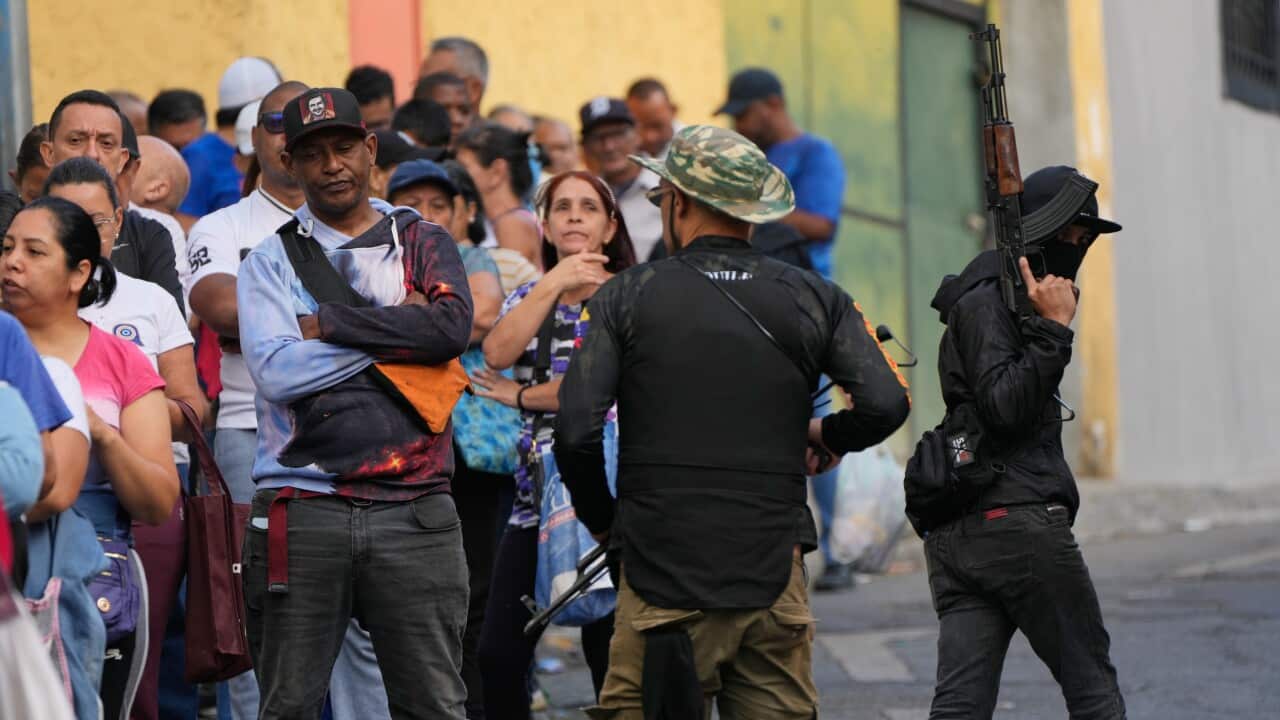
The intervention has sparked a mixed reaction within Venezuela. Pro-goverment supporters have taken to the streets of Caracas,denouncing the US action as a violation of national sovereignty and a blatant attempt to control Venezuela’s oil resources.Chanting slogans like “Venezuela with Nicolas,” demonstrators expressed unwavering loyalty to the embattled leader.
“We are free and sovereign. Donald Trump can’t have our oil,” declared Yolanda Ivimas, a medical representative participating in the protests. “We have a president, and his name is Nicolas Maduro.”
However, a palpable sense of fear and uncertainty also pervades the country. While opposition supporters are cautiously optimistic, many are wary of celebrating prematurely, mindful of the potential for a violent backlash from loyalist forces. reports indicate that security forces were less visible than usual over the weekend, suggesting a degree of disarray within the government.
ordinary citizens are grappling with the immediate consequences of the upheaval. In Maracaibo,a major oil city,residents are stocking up on essential supplies,bracing for potential disruptions. “Yesterday I was very afraid to go out, but today I had to,” said a single mother. ”This situation caught me without food… If this is necessary for my son to grow up in a free country, I’ll keep enduring the fear.”
International Response and the Path Forward
The US intervention has drawn sharp criticism from Russia and China,both key allies of Venezuela. These nations have condemned the action as a violation of international law and a destabilizing force in the region. the United Nations Security Council convened an emergency meeting on Monday to discuss the situation, with Secretary-General António Guterres warning of a “dangerous precedent.”
Within the US, the intervention has also sparked debate
Keep reading
- 英国新盘户型多元售价港币406万起 – 星島頭條
- Christopher Nolan’s “The Odyssey” Faces Boycott Calls over Filming in Occupied Western Sahara
- Iran War Updates: U.S. launches 7th straight day of strikes as traffic freezes up in Strait of Hormuz (archyworldys.com)
- Medical Care Deployments Expand Health Access in Aragua, Venezuela (archynewsy.com)