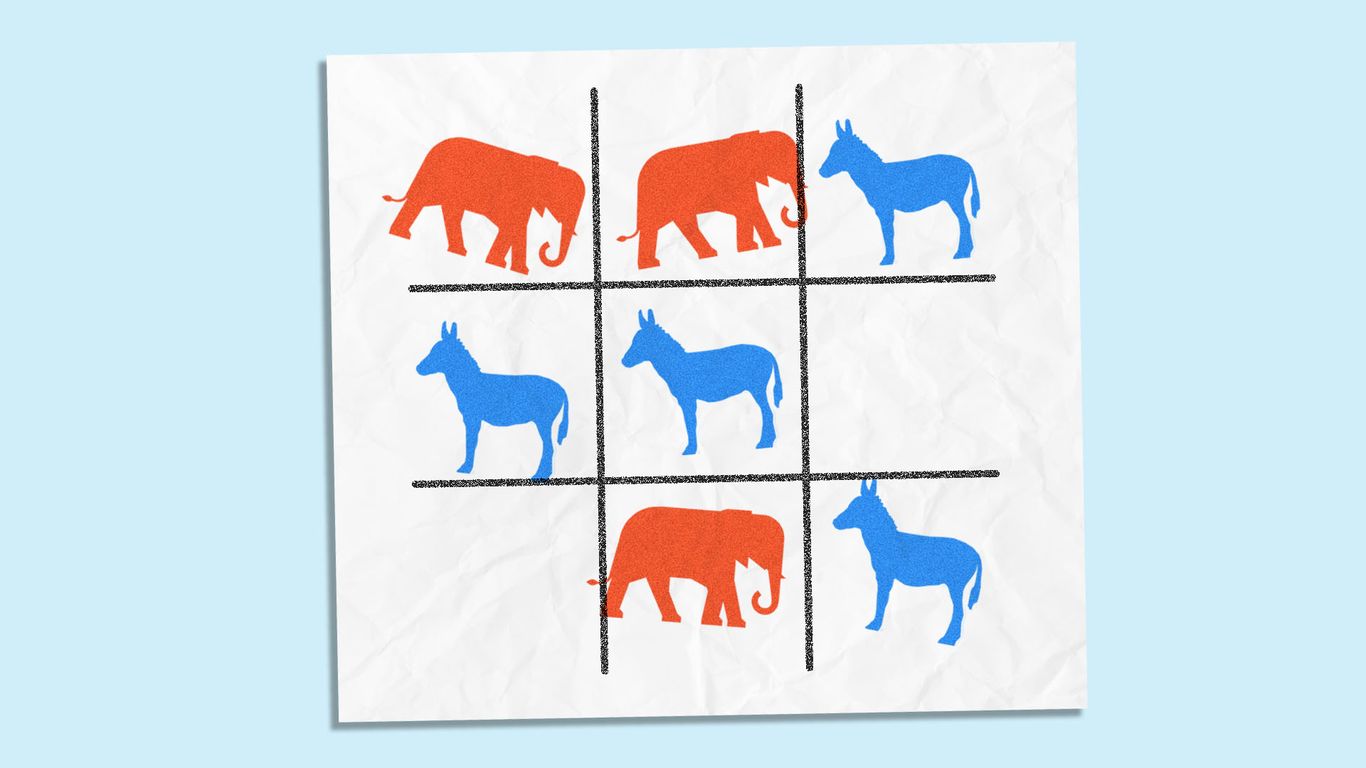
Maine’s Democratic gubernatorial candidates are weighing potential changes to the state’s Electoral College allocation process, signaling they would support a shift to a “winner-take-all” system if Nebraska moves to adopt similar legislation. This potential policy pivot, driven by concerns over national election strategy, highlights the intensifying partisan competition surrounding the Electoral College and the influence of congressional district-based voting systems in the two states.
Unlike most of the United States, Maine and Nebraska currently distribute their electoral votes by awarding two to the statewide winner and one to the winner of each congressional district. This structure has occasionally resulted in split electoral outcomes, as seen in the 2020 and 2024 presidential elections where both states saw electoral votes awarded to candidates from opposing parties. The discussion among Maine Democrats reflects a broader “tit-for-tat” approach to election law as both parties seek to maximize their advantages in the Electoral College.
The Debate Over Electoral College Reform
The discourse in Maine has been sharpened by the prospect of legislative changes in Nebraska, where Republican officials have previously debated shifting to a winner-take-all model. While Nebraska Governor Jim Pillen and other state Republicans explored such a move during the previous legislative session, the efforts did not result in a change to state law. Despite this, some Democratic strategists and candidates in Maine have expressed concern that the possibility remains a threat to their electoral calculus.
Maine Secretary of State Shenna Bellows, who is currently seeking the Democratic nomination for governor, has publicly advocated for a defensive posture. In a recent statement posted to social media, Bellows indicated that if Nebraska moves to a winner-take-all system, Maine must be prepared to respond in kind to protect the integrity of the presidential election process. This sentiment is shared by other candidates in the field, including Hannah Pingree and Nirav Shah, who have signaled openness to modifying Maine’s current electoral framework should Nebraska alter its system.
Political Stakes in the Maine Gubernatorial Primary
The issue has emerged as a point of contention within the Maine Democratic gubernatorial primary, which is scheduled for Tuesday. Candidates such as Troy Jackson, a progressive supported by Senator Bernie Sanders, have also indicated they are open to reviewing the state’s electoral policies. The primary results are expected to provide insight into the appetite among Maine voters for a shift away from the current district-based allocation system.
While some Democrats view the potential for change as a strategic necessity, others maintain that the threat of such legislation in Nebraska is overstated. Jane Kleeb, the chair of the Nebraska Democratic Party, has expressed that the Nebraska Republican Party currently lacks the legislative support required to overturn the state’s long-standing split-vote system. This perspective suggests that the current volatility in election-related discussions may be driven more by political posturing than immediate legislative reality.
What Happens Next
The immediate focus for Maine’s political landscape is the upcoming primary election, which will clarify the Democratic party’s stance on this issue as it heads toward the general election. While the potential for a “winner-take-all” shift remains a subject of intense debate, any actual change would require a formal legislative process in Augusta. For now, the prospect remains a centerpiece of the broader conversation regarding how states manage their electoral votes in an increasingly polarized political environment.
Readers interested in following the legislative updates regarding Maine’s electoral policies can monitor the official Maine.gov portal for government announcements and legislative session documents. As developments unfold, the implications for the 2028 presidential cycle will likely continue to draw national attention.
Worth a look