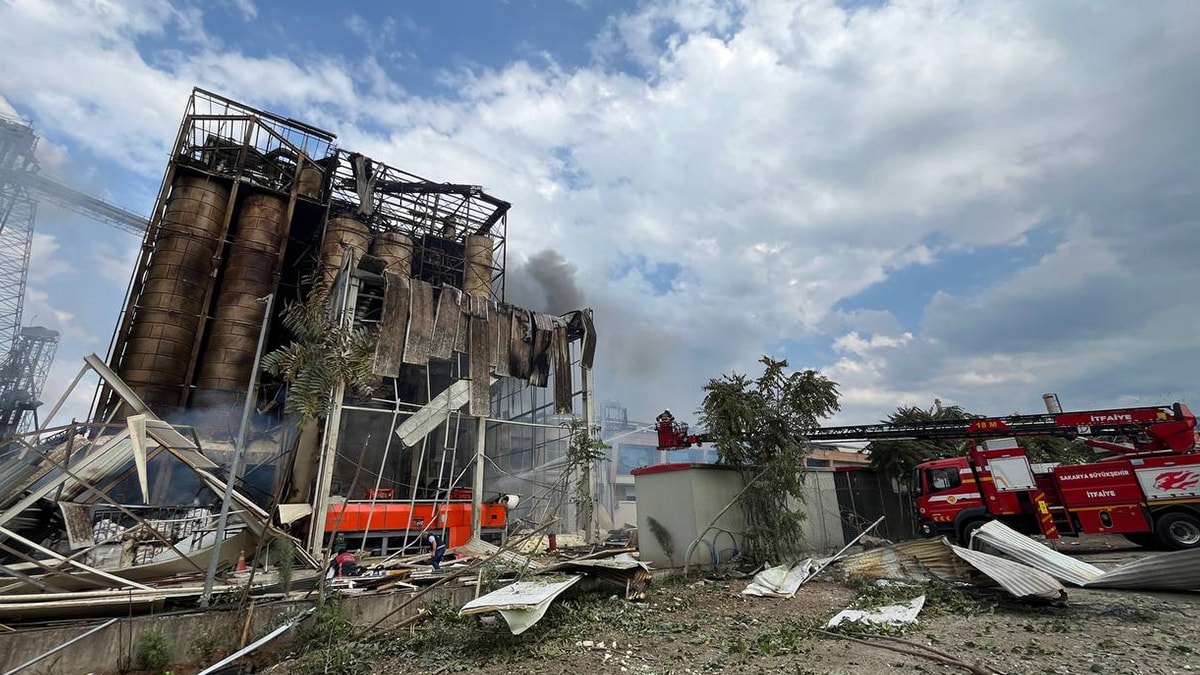
A prominent firm in the Turkish defense industry, which has maintained production facilities in Sakarya for three decades, is currently facing significant operational challenges. Recent reports indicate that the company, a long-standing fixture in the region’s industrial landscape, is navigating a period of financial and structural uncertainty that has prompted concerns among local stakeholders and industry observers.
While the defense sector in Sakarya has historically been a driver of regional economic growth, the current situation highlights the volatility inherent in large-scale manufacturing contracts and supply chain dependencies. According to industry tracking and local reporting, the firm is addressing internal difficulties that have impacted its production continuity and workforce stability.
Operational Challenges in the Sakarya Defense Cluster
The defense manufacturing sector in Sakarya has long been anchored by several legacy firms that contribute to both domestic security projects and international export markets. The company in question, having operated in the province for over 30 years, has been a key supplier for various defense-related components. As noted in recent regional economic assessments, the firm’s reliance on specific government procurement cycles and international partnerships has left it vulnerable to shifting market conditions and contractual delays.
Financial analysts point to the broader context of the Turkish defense industry, where companies must frequently balance rapid technological advancement with the fiscal pressures of high-cost research and development. For a firm with a 30-year history, the transition to modern, digitized production standards often requires significant capital investment. When these investments coincide with a tightening of credit or a delay in project milestones, the strain on operational liquidity becomes visible.
Impact on the Local Workforce and Regional Economy
The situation in Sakarya has drawn attention due to the firm’s significant footprint in the local labor market. As a major employer, any fluctuation in the company’s production schedule directly affects a wide ecosystem of subcontractors, logistics providers, and the families of its employees. Local chambers of commerce monitor these developments closely, as the defense sector remains a strategic priority for the province’s industrial development plan, as outlined by the Ministry of Industry and Technology.
The uncertainty facing the firm serves as a reminder of the challenges inherent in maintaining long-term industrial competitiveness. Observers note that while the Turkish defense industry has seen record export figures in recent years—reaching over $5.5 billion in 2023 according to the Presidency of Defense Industries (SSB)—individual firms often face unique, firm-specific hurdles that can disrupt their growth trajectory regardless of the sector’s overall health.
Regulatory Oversight and Future Prospects
Strategic defense firms in Turkey operate under the strict oversight of the Presidency of Defense Industries, which manages project timelines, quality standards, and export licenses. When a company encounters systemic issues, the involvement of regulatory bodies is standard to ensure that national security interests are not compromised. Any resolution to the current situation will likely involve a combination of internal restructuring and, if necessary, intervention or oversight from state procurement authorities.
For the workers and investors associated with the firm, the next critical checkpoint will be the release of the company’s next quarterly operational update or any formal announcements from the Presidency of Defense Industries regarding project statuses. These updates are expected to clarify whether the firm can stabilize its production lines and meet its pending contractual obligations.
We will continue to monitor developments regarding this firm’s status as official filings become available. Please share your thoughts or local insights in the comments section below.