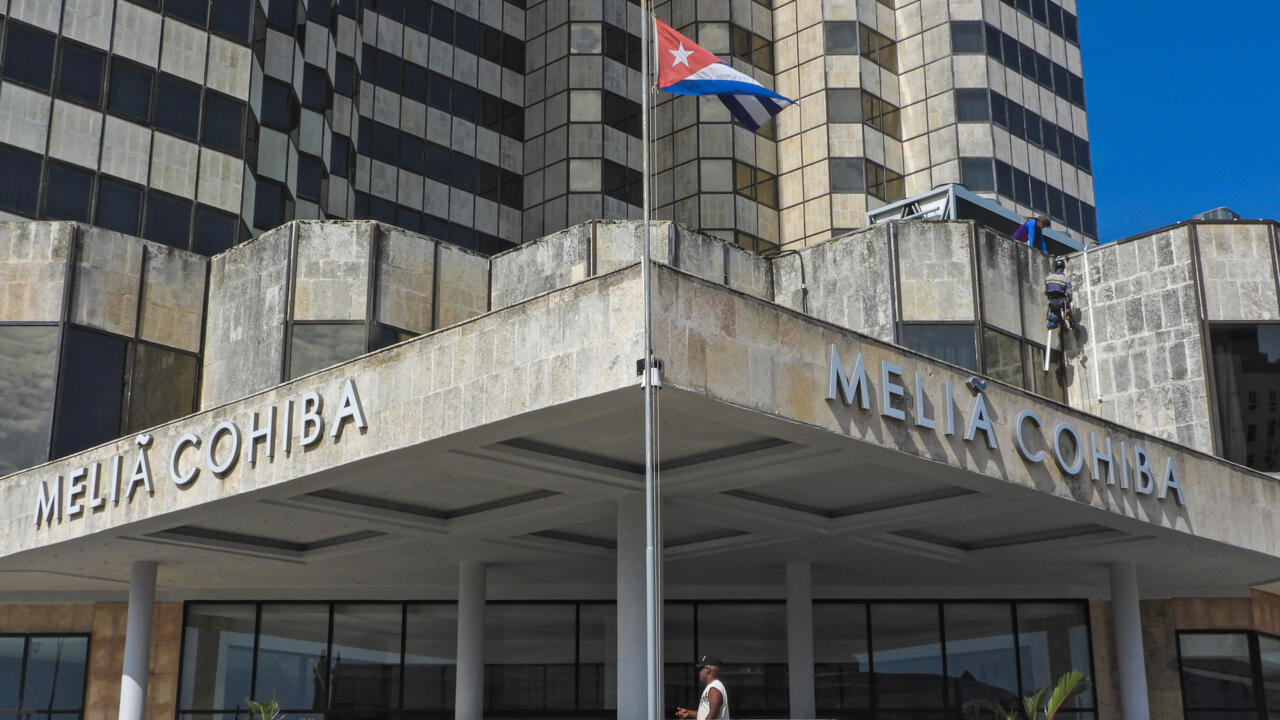
Spain’s major hotel chains, including Meliá, Iberostar, and Barceló, are ceasing all operations in Cuba this week. The mass withdrawal follows intensified U.S. sanctions and a severe shortage of supplies, leaving the island without its primary international hospitality operators as the country’s tourism sector faces its lowest levels in decades.
Meliá and Iberostar Exit the Cuban Market
The exodus of major European hospitality brands from Cuba reached a definitive conclusion this week. Meliá Hotels International, the second-largest foreign hotel operator in Cuba by number of establishments—surpassed only by the Canadian firm Blue Diamonds—announced it will end all management and marketing services for its Cuban portfolio effective July 24, 2026. This move completes a process initiated on June 3, 2026, when the company registered the immediate withdrawal of management and use of its brand in an initial block of 15 establishments, including the Gran Hotel Bristol Habana Vieja, Paradisus Varadero, and Sol Varadero Beach.
The decision by Meliá to vacate its 34 managed hotels—which contained nearly 14,000 rooms—mirrors a broader retreat across the industry. Iberostar, which managed 18 properties in the country, has also confirmed the cessation of all its activities on the island. While the group had already shuttered 12 locations in early June, the remaining six have now ceased operations as well. Barceló, which operated two establishments in the country, has also ceased its activities, leaving the island without its three major Spanish hotel chains.
Operational and Financial Strains Cited
The hotel groups have attributed their departure to a combination of legal, financial, and operational hurdles that have made continued business untenable. Meliá informed the Spanish National Securities Market Commission (CNMV) that current conditions imposibilitan de hecho y de derecho una mínima estabilidad operativa
—or, in English, make it impossible in fact and law to maintain minimal operational stability. The company stated that the measure encompasses the total discontinuation of the use of authorized brands, receptive activity, and the local supply chain linked to the operation.
The chains faced a series of challenges, including a petroleum blockade imposed by the United States since January and reinforced sanctions against the Cuban Ministry of Tourism enacted in May. According to reports, these pressures have created a critical scarcity of supplies, which has discouraged foreign companies from remaining in the country. U.S. President Donald Trump has characterized Cuba as una amenaza extraordinaria
(an extraordinary threat) to the national security of the United States and has repeatedly threatened to tomar el control
(take control) of the island.
Impact on the Cuban Tourism Sector
The withdrawal of these companies marks a significant shift for the Cuban tourism model, where foreign chains traditionally managed state-owned assets. Early in June, these groups had attempted to pivot by abandoning the management of hotels operated in partnership with the military-business conglomerate Gaesa, which had been sanctioned by Washington. However, the subsequent expansion of U.S. sanctions to include the Ministry of Tourism effectively forced the companies to withdraw completely.
Data from the first quarter of 2026 highlights the severity of the decline. Meliá reported an occupancy rate in its Cuban properties that was lower than the previous year—compared to the average across its global portfolio. The revenue per available room (RevPAR) on the island fell, showing a decline compared to the previous year, significantly lower than the company’s 84-euro global average.
| Indicator | Cuba Performance (Q1 2026) | Global Average (Meliá) |
|---|---|---|
| Occupancy Rate | Lower than previous year | Global average |
| RevPAR | Lower than previous year | 84 Euros |
Transition and Future Uncertainty
Despite the abrupt nature of the departure, Meliá has stated that its subsidiary, Ilha Bela Gestao e Turismo, is working to guarantee an orderly transition to minimize the impact for employees, suppliers, and customers. The company is currently applying the principle of accounting prudence while evaluating the financial impact of this global exit from the Cuban market, including a potential revision of the book value of its assets linked to the island. Meliá indicated it will detail the concrete scope of this adjustment upon the presentation of its first-half results for 2026.
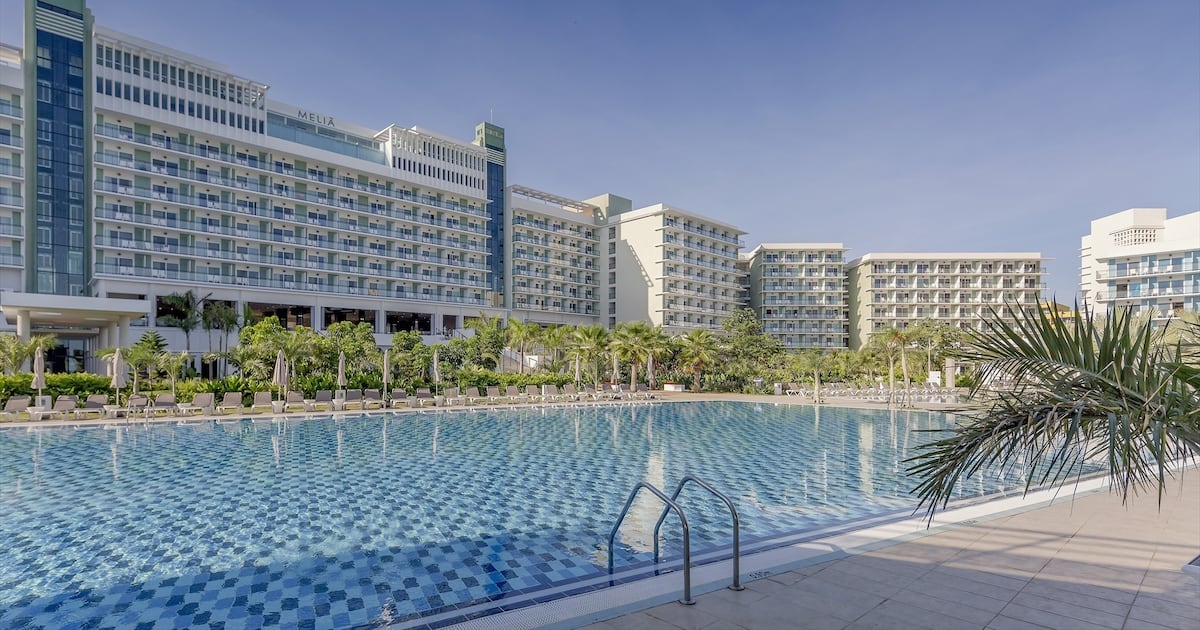
As of May 7, 2026, Meliá had already disclosed that it had closed 50% of its operating capacity in Cuba due to the U.S. commercial blockade. At that time, the company also had two additional projects in the pipeline that were originally scheduled to open this year. With the departure of Meliá, Iberostar, and Barceló, the island is left without its major international hotel operators.