
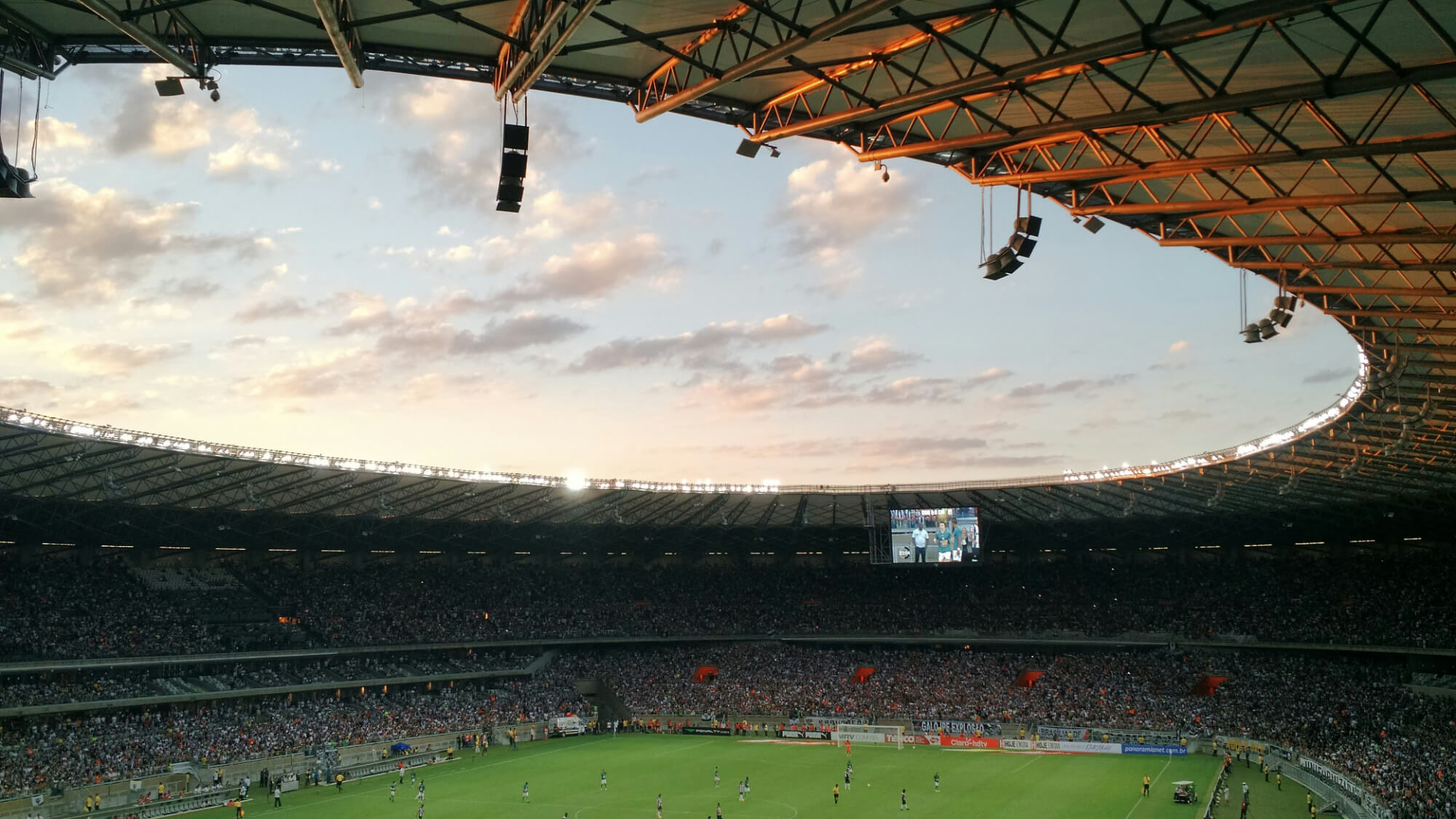
The 2026 sports calendar in the United States is headlined by the FIFA World Cup, a landmark event that will see the nation co-host the tournament alongside Canada and Mexico. This expansion of the global stage, combined with established annual fixtures, positions the U.S. as the primary focus for international athletic competition throughout the year.
As the Sports Editor at World Today Journal, I have monitored the development of these venues and schedules. The 2026 calendar represents a significant logistical undertaking for host cities, with 16 venues across North America set to host matches, including 11 in the United States, according to official FIFA documentation. The tournament is scheduled to run from June 11 to July 19, 2026, culminating in the final match at MetLife Stadium in East Rutherford, New Jersey.
FIFA World Cup Infrastructure and Impact
The selection of U.S. host cities—which include Atlanta, Boston, Dallas, Houston, Kansas City, Los Angeles, Miami, New York/New Jersey, Philadelphia, San Francisco, and Seattle—marks a return of the tournament to American soil for the first time since 1994. FIFA has confirmed that the 2026 competition will be the largest in history, featuring 48 teams and a total of 104 matches. This scale requires extensive coordination between local municipal governments and the U.S. Soccer Federation to manage travel, security, and fan engagement.

For international fans and domestic observers alike, the economic impact of the tournament remains a primary point of analysis. Local organizing committees are currently finalizing infrastructure projects, ranging from public transportation upgrades to stadium renovations. According to statements from the FIFA Host City portal, each location has committed to specific sustainability and fan-experience benchmarks to ensure the tournament’s viability across diverse time zones and climates.
Annual US Sporting Fixtures in 2026
Beyond the World Cup, the traditional American sporting calendar will proceed with adjustments to accommodate the summer global event. The National Football League (NFL) is expected to follow its standard schedule, with the 2026 Super Bowl slated for February 8, 2026, at Levi’s Stadium in Santa Clara, California, as confirmed by the NFL.

Major League Baseball (MLB), the National Basketball Association (NBA), and the National Hockey League (NHL) will also maintain their regular rotations. However, analysts note that the summer months of 2026 will see a unique overlap of professional league play and international football. The Major League Soccer (MLS) season, in particular, is subject to potential scheduling shifts as teams navigate the availability of their primary stadiums, many of which are designated as official FIFA training or match sites.
The Role of Major Events in Local Economies
The concentration of global sporting events in the U.S. during 2026 serves as a catalyst for urban development. According to reports from the U.S. Department of Commerce, large-scale international sporting events often generate significant surges in tourism revenue, though they also necessitate substantial public investment in security and logistics. The challenge for host cities lies in balancing the immediate requirements of FIFA with the long-term maintenance of the facilities built or upgraded for these events.
Stakeholders, including local tourism boards and sports commissions, are currently working to harmonize the influx of visitors with existing city operations. For instance, the transition of stadiums from professional league use to international standards requires a technical overhaul that usually begins several weeks prior to the opening ceremony. The FIFA news center provides ongoing updates regarding these technical requirements as the tournament approaches.
What Happens Next
The next major milestone for the 2026 sporting calendar involves the finalization of the specific match schedule and the launch of the general ticket sales process, which FIFA typically manages through its official digital platforms. Fans are encouraged to register on the official FIFA website to receive notifications regarding ticketing phases and volunteer opportunities.

As we approach 2026, World Today Journal will continue to provide updates on venue readiness, logistical announcements from the host cities, and analysis of how these events influence the broader sports landscape. Please share your thoughts in the comments section below or join the conversation on our social channels as we track the progress toward these historic events.