
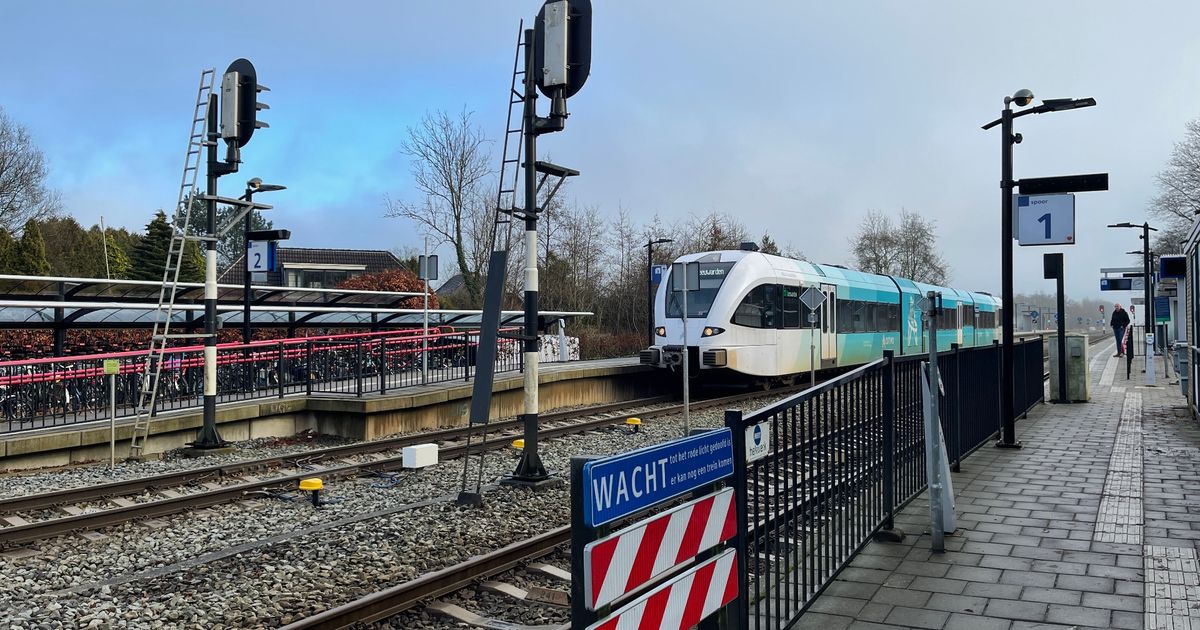
Groningen, Netherlands — All train services between Groningen and Zuidhorn have been suspended for the entire day following a power outage caused by a lightning strike, according to regional news outlets. The disruption affects commuters traveling along the key route connecting the two cities, with no immediate restoration expected before the evening rush hour. Officials confirm repairs are underway but warn that full service may not resume until later in the day.
Passengers are advised to check real-time updates from Nederlandse Spoorwegen (NS) and local transit authorities for alternative travel options, including bus replacements. The outage has also impacted services between Leeuwarden and Groningen, where similar delays have been reported since early Tuesday morning.
This disruption follows a pattern of recent weather-related incidents affecting Dutch infrastructure, including power grid failures and transportation delays caused by severe storms. The Dutch national rail operator has not yet provided a definitive timeline for full recovery, though local officials express optimism that repairs will be completed by the evening commute.
Why Are Trains Between Groningen and Zuidhorn Not Running?
The suspension stems from a lightning strike that triggered a power failure on the railway line, according to statements from ProRail, the Dutch infrastructure manager for rail. The strike damaged electrical systems, halting all train operations between Groningen and Zuidhorn. While technicians are working to restore power, the complexity of the repairs has led to prolonged delays.
In a statement, ProRail confirmed that “the lightning strike caused significant damage to the overhead line equipment,” requiring comprehensive inspections before services can resume. The outage has also affected signal systems along the route, further complicating restoration efforts. Passengers traveling between Leeuwarden and Groningen are similarly affected, with no trains operating until at least the evening.
What Are the Alternatives for Affected Passengers?
Commuters relying on the Groningen-Zuidhorn route are advised to explore alternative transportation options. The Qbuzz bus service has increased frequency on key routes, though delays are expected due to higher demand. NS has also activated its “treinvervanger” (train replacement) service, with additional buses deployed to connect major stations.
For those traveling between Leeuwarden and Groningen, NS recommends checking the real-time disruption page for updated schedules. The company has urged passengers to allow extra time for their journeys and to consider carpooling or other transport methods if possible.
Local authorities in Groningen and Zuidhorn have set up information desks at major train stations to assist affected travelers. The city of Groningen has also activated its emergency response team to monitor the situation and provide updates via social media and local news outlets.
How Long Will the Disruption Last?
While ProRail has not provided a definitive timeline, officials suggest that full restoration may take until the evening, depending on the progress of repairs. Earlier reports indicated that services might resume by the afternoon, but the complexity of the damage has extended the outage. Passengers are advised to avoid planning critical travel until further notice.

In a statement to local media, a ProRail spokesperson said, “We are doing everything we can to restore the line as quickly as possible. However, the extent of the damage means we cannot yet provide a precise time for when services will return to normal.” The spokesperson added that priority is being given to restoring power to critical sections of the line to minimize further delays.
Broader Impact: Weather-Related Disruptions in the Netherlands
The Groningen-Zuidhorn outage is part of a broader trend of weather-related disruptions affecting Dutch infrastructure. Over the past year, severe storms have caused power outages, road closures, and transportation delays across the country. In June 2023, a series of thunderstorms led to widespread blackouts in the northern provinces, with thousands of households losing power for several hours.
Climate scientists attribute the increase in such events to changing weather patterns, with the Netherlands experiencing more frequent and intense storms. The Dutch government has pledged to invest €1.5 billion in infrastructure resilience over the next five years, including upgrades to power grids and transportation networks to better withstand extreme weather.
For travelers and residents in the affected areas, the current disruption serves as a reminder of the vulnerability of modern infrastructure to natural events. While authorities work to restore services, the incident also underscores the need for long-term solutions to mitigate the impact of such incidents in the future.
Key Takeaways
- Cause: A lightning strike damaged electrical systems on the Groningen-Zuidhorn railway line, halting all train services.
- Impact: Services between Groningen and Zuidhorn, as well as Leeuwarden and Groningen, are suspended until further notice.
- Alternatives: Bus replacements and increased Qbuzz services are available, though delays are expected.
- Timeline: Full restoration is not expected before the evening, with no definitive time provided.
- Broader Context: The incident highlights ongoing challenges with weather-related disruptions in Dutch infrastructure.
What Happens Next?
Passengers are advised to monitor official updates from NS and ProRail for the latest information on service restoration. The Dutch rail operator has not yet scheduled a press conference but will provide updates via its Twitter account and website.
For those affected by the disruption, local authorities recommend checking with their employers or educational institutions for any adjustments to schedules or remote work policies. The city of Groningen has also urged residents to report any power-related issues to the municipal emergency services.
As of this writing, no further details have been released regarding the extent of the damage or the specific sections of the line that have been affected. However, a full assessment of the infrastructure will be conducted once services are restored.
If you are traveling in the region today, allow extra time for your journey and consider alternative transport options. For the latest updates, follow official channels and avoid relying on unofficial sources.
Have you been affected by this disruption? Share your experience in the comments below or on our social media channels.