
Bangladesh PM Tarique Rahman Urges Malaysia to Ease Labor Migration Restrictions Amid Worker Shortages
Bangladeshi Prime Minister Tarique Rahman has formally requested Malaysia to ease recent restrictions on Bangladeshi labor migration, citing economic dependence and persistent worker shortages in key sectors. The appeal comes as Kuala Lumpur has tightened intake policies for Bangladeshi workers, citing concerns over exploitation, debt bondage, and excessive recruitment fees—issues that have left thousands of migrant workers in legal limbo.
According to an official statement from the Bangladeshi Ministry of Foreign Affairs released on June 10, Rahman raised the issue during a virtual meeting with Malaysian Prime Minister Anwar Ibrahim. “Malaysia remains a vital economic partner for Bangladesh, and the restrictions on labor migration are creating significant hardship for both workers and businesses,” the statement said. The request follows reports that Malaysia has reduced the quota for Bangladeshi domestic workers by 30% since January 2024, a move that has disrupted remittance flows critical to Bangladesh’s economy.
The labor migration dispute highlights a growing tension between economic cooperation and human rights protections in Southeast Asia. While Bangladesh relies on Malaysian remittances—accounting for nearly 15% of its annual foreign exchange earnings—Malaysian authorities have cited cases of abuse and illegal recruitment practices as justification for stricter controls. The International Labour Organization (ILO) has previously documented instances of debt bondage among Bangladeshi migrant workers in Malaysia, though exact figures remain disputed.
The Government of Bangladesh remains committed to ensuring the safety and welfare of its workers abroad. We urge Malaysia to engage in constructive dialogue to address legitimate concerns while maintaining the economic partnership that benefits both nations.
Why Has Malaysia Tightened Labor Migration Rules?
Malaysia’s decision to restrict Bangladeshi labor migration stems from a combination of regulatory crackdowns and public pressure. In January 2024, the Malaysian government announced a 30% reduction in the quota for Bangladeshi domestic workers, citing reports of human trafficking and exploitative recruitment practices. According to a statement from the Malaysian Ministry of Human Resources, the move was part of efforts to “ensure ethical recruitment and protect vulnerable workers.”
Human rights organizations, including the International Labour Organization (ILO), have documented cases where Bangladeshi workers were subjected to wage theft, passport confiscation, and forced labor in Malaysian households. A 2023 report by Human Rights Watch found that nearly 40% of Bangladeshi domestic workers in Malaysia reported experiencing abuse, though exact numbers remain difficult to verify due to underreporting.
Malaysian authorities have also accused Bangladeshi recruitment agencies of charging excessive fees—often exceeding $2,000 per worker—which push migrants into debt bondage. The Malaysian government has since imposed stricter penalties on agencies found violating labor laws, including fines and imprisonment for violators.
How Has Bangladesh Responded to the Restrictions?
Bangladesh’s response has been twofold: diplomatic pressure and legal challenges. Rahman’s request to Anwar Ibrahim follows a series of high-level meetings between the two governments, including a visit by Bangladeshi Foreign Minister Hasina Mahbub Ali to Kuala Lumpur in May. During the meeting, Ali reportedly raised concerns about the economic impact of the restrictions on Bangladesh’s 2.5 million migrant workers employed abroad.
Bangladesh has also taken legal action against Malaysian recruitment agencies operating in its territory. In April 2024, the Bangladeshi government banned 12 Malaysian-affiliated agencies from operating in Dhaka, citing violations of labor migration laws. The move was seen as a retaliatory measure, though officials emphasized it was aimed at “cleaning up the industry” rather than escalating tensions.
Economically, the restrictions have had a tangible impact. Remittances from Malaysian workers to Bangladesh fell by 12% in the first quarter of 2024 compared to the same period last year, according to data from the Bangladesh Bank. With over 100,000 Bangladeshi workers in Malaysia, the reduction in remittances has put additional strain on Bangladesh’s foreign exchange reserves, which have been declining due to global economic pressures.
What Happens Next? Diplomatic Deadlines and Worker Rights
The next critical checkpoint is a bilateral meeting scheduled for July 15 in Jakarta, where both governments are expected to discuss labor migration reforms. Malaysian officials have indicated a willingness to engage in dialogue but have not signaled any immediate easing of restrictions. “We are committed to a phased approach that ensures worker protections while addressing economic concerns,” a Malaysian government spokesperson told Malay Mail earlier this month.
In the meantime, Bangladeshi workers already in Malaysia face uncertainty. Many hold expired work permits, leaving them vulnerable to deportation or exploitation. The ILO has called for both governments to establish a joint task force to monitor worker conditions and ensure ethical recruitment practices. “The solution lies not in restrictions but in stronger safeguards,” said ILO Regional Director Ramin Farmand in a statement last week.
For workers seeking to migrate legally, the process has become more complex. Bangladeshi authorities now require additional documentation, including proof of no criminal record and a minimum educational qualification, to qualify for Malaysian work visas. Meanwhile, Malaysian employers are being encouraged to explore alternative labor sources, including from Indonesia and the Philippines.
Who Benefits—and Who Loses—in This Dispute?
The labor migration dispute underscores deeper economic and geopolitical dynamics in the region. For Bangladesh, the restrictions threaten a vital safety net for millions of families reliant on remittances. According to the World Bank, remittances make up nearly 6% of Bangladesh’s GDP, with Malaysian workers contributing a significant portion.
For Malaysia, the crackdown reflects broader efforts to reduce reliance on foreign labor amid domestic political pressures. The government has been under scrutiny for its treatment of migrant workers, particularly after a series of high-profile cases involving abuse and deaths. In 2023, Malaysia introduced stricter penalties for employers found exploiting foreign workers, including jail time and hefty fines.
However, the restrictions have also created opportunities for other labor-sending countries. Indonesia and the Philippines have seen an increase in workers being hired for domestic roles in Malaysia, as employers seek alternatives to Bangladeshi labor. This shift could further strain Bangladesh’s already tight job market, where youth unemployment remains a pressing issue.
Key Takeaways
- Diplomatic Push: Bangladesh’s PM Tarique Rahman has formally requested Malaysia to ease labor migration restrictions, citing economic dependence.
- Regulatory Crackdown: Malaysia reduced the quota for Bangladeshi domestic workers by 30% in 2024, citing exploitation and debt bondage concerns.
- Economic Impact: Remittances from Malaysian workers to Bangladesh have dropped by 12% this year, affecting foreign exchange reserves.
- Legal Actions: Bangladesh has banned 12 Malaysian-affiliated recruitment agencies, while Malaysia has imposed stricter penalties on abusive employers.
- Next Steps: A bilateral meeting is scheduled for July 15 in Jakarta to discuss labor migration reforms.
- Broader Trends: The dispute highlights regional shifts in labor migration, with Indonesia and the Philippines gaining ground as alternatives.
FAQ: Labor Migration Restrictions Between Bangladesh and Malaysia
1. Why has Malaysia restricted Bangladeshi labor migration?
Malaysia tightened rules due to reports of exploitation, debt bondage, and illegal recruitment practices involving Bangladeshi workers. Authorities have also faced public pressure to address human rights concerns.
2. How many Bangladeshi workers are affected by the restrictions?
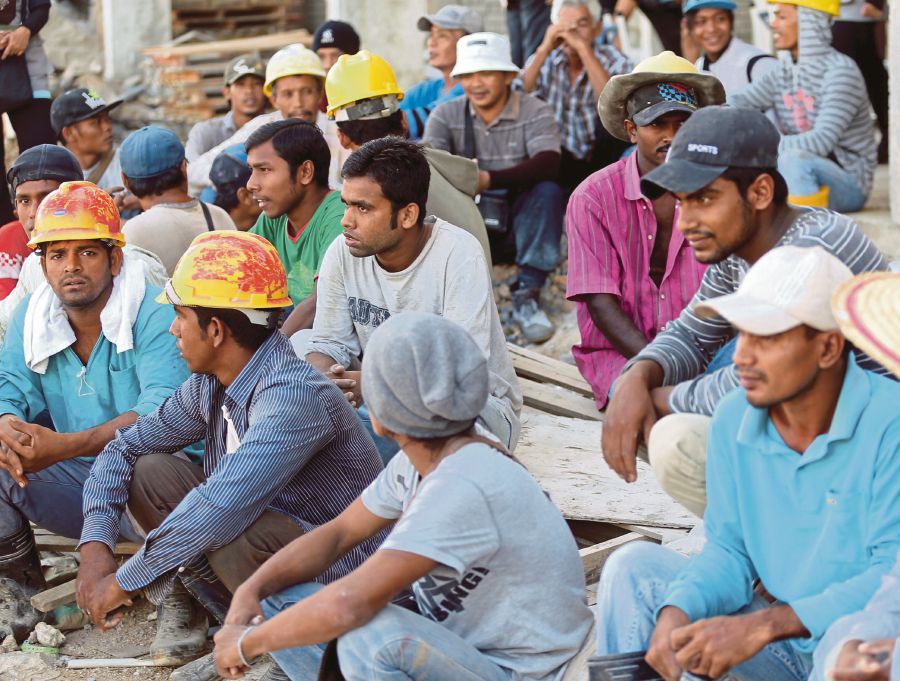
Over 100,000 Bangladeshi workers are currently employed in Malaysia, primarily as domestic workers. The 30% quota reduction affects new visa applications, leaving existing workers in legal limbo.
3. What is Bangladesh doing to protect its workers?
Bangladesh has banned 12 Malaysian-affiliated recruitment agencies, increased documentation requirements for workers, and engaged in high-level diplomatic talks with Malaysia to ease restrictions.
4. Will Malaysia lift the restrictions?
Malaysian officials have indicated a willingness to engage in dialogue but have not committed to lifting restrictions immediately. A bilateral meeting is scheduled for July 15 to discuss reforms.
5. How are remittances from Malaysia affecting Bangladesh?
Remittances from Malaysian workers have dropped by 12% this year, impacting Bangladesh’s foreign exchange reserves and economic stability.
6. Are there alternatives for Bangladeshi workers?
Bangladesh is exploring labor agreements with other countries, including Saudi Arabia and the UAE, while workers are advised to seek legal channels and verify recruitment agencies.
As the diplomatic talks progress, both countries face a delicate balancing act: protecting worker rights while maintaining economic ties that have shaped their relationship for decades. For now, the future of Bangladeshi labor migration remains uncertain, with workers and families bearing the brunt of the policy shifts.
For the latest updates, follow official statements from the Bangladesh Ministry of Foreign Affairs and the Malaysian Ministry of Human Resources. If you are a migrant worker or employer affected by these changes, consult local labor authorities or the ILO’s migrant worker resources for guidance.
This story will be updated as new developments emerge. Share your thoughts or experiences in the comments below.
Related reading