Devastating Floods Displace Thousands in Northern Malaysia
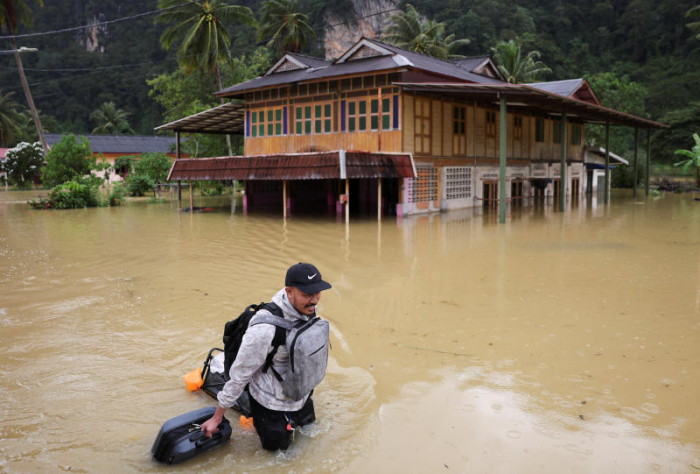
Unusually heavy rainfall has triggered severe flooding across Malaysia’s northern states, particularly in Perlis, bordering Thailand. More than 34,000 people have been forced to evacuate their homes as rising waters inundate communities and disrupt lives. This article provides a detailed look at the unfolding crisis, the impact on residents, and the ongoing relief efforts.
A Rapidly Escalating crisis
The situation began to deteriorate last week, with Perlis experiencing rainfall far exceeding typical levels for this time of year. Consequently, roads became impassable, trapping residents like Gon qasim and her husband in their homes. They were ultimately rescued by family and taken to an evacuation center in Kangar, the state capital.
“I was inside, and I couldn’t go out,” recalled the 73-year-old Gon, describing the terrifying ordeal. “When I was out, there was nowhere to stay but the field. The water was like the ocean.”
Official data indicates that over 7,000 people in Perlis alone have been displaced. The flooding is compounded by similar conditions in neighboring southern Thailand,creating a regional humanitarian challenge.
Impact on Residents: Stories from the Front Lines
The impact of the floods extends far beyond statistics. You can see the fear and uncertainty etched on the faces of those seeking refuge in evacuation centers.
* Elderly Vulnerability: Gon qasim‘s story highlights the particular vulnerability of elderly residents, who may have limited mobility and require assistance during emergencies.
* New Mothers and young Families: NorZafilini Al-Zakiri, 35, recently gave birth to her third child and was forced to flee her home with her newborn. She described the terrifying speed of the rising waters.
“We weren’t able to go far… The water was to fast, usually it rose slowly but this time it streamed fast and just went on,” she said, cradling her baby. “With the baby and kids,we’re so scared because we need to keep them safe,but I fight my fears and slowly rebuild here.”
* Loss and Disruption: Many families have lost their possessions and are facing an uncertain future. The immediate priority is providing shelter, food, and medical care, but the long-term recovery will be a significant undertaking.
current Relief Efforts and Ongoing Challenges
The national disaster management agency is working tirelessly to provide assistance to those affected. They have established evacuation centers and are distributing essential supplies like tents, food, and clean water. Though, challenges remain:
* Accessibility: Reaching isolated communities remains arduous due to flooded roads and damaged infrastructure.
* Resource Strain: The scale of the disaster is putting a strain on available resources.
* Long-Term Recovery: Beyond immediate relief,there is a need for long-term support to help communities rebuild their lives and livelihoods.
Looking Ahead: Preparedness and Mitigation
this devastating flooding underscores the importance of preparedness and mitigation measures. As climate change continues to bring more extreme weather events, it’s crucial to:
* Improve Early Warning Systems: Investing in advanced weather forecasting and early warning systems can give communities more time to prepare for floods.
* Strengthen Infrastructure: Building more resilient infrastructure, including drainage systems and flood defenses, can help minimize the impact of future floods.
* Community Education: educating communities about flood risks and evacuation procedures is essential for ensuring their safety.
* Regional Cooperation: Collaboration between Malaysia and Thailand is vital for managing transboundary flood risks.
The situation in northern Malaysia remains critical. As rescue and relief efforts continue,it’s essential to remember the human cost of this disaster and to support those affected in their time of need. We will continue to monitor the situation and provide updates as they become available.