
Tuareg Rebels in Mali Vow to Overthrow the Junta
Bamako, Mali – Tuareg rebels have publicly declared their intention to overthrow Mali’s military junta, escalating tensions in the already volatile Sahel region. The announcement comes a day after the junta’s leader asserted control over the situation, signaling a deepening conflict between the government and separatist groups. This renewed commitment to armed resistance raises concerns about the stability of Mali and the broader implications for regional security, particularly as other conflicts and humanitarian crises unfold in neighboring countries.
The Coordination of Azawad Movements (CMA), a coalition of predominantly Tuareg rebel groups, issued the statement through various channels, reaffirming their long-standing demands for greater autonomy and recognition of their cultural and political rights. The CMA has historically fought for self-determination in northern Mali, a region they refer to as Azawad, and has engaged in intermittent clashes with the Malian government for decades. The current escalation follows a breakdown in peace talks and a perceived lack of commitment from the junta to address the root causes of the conflict.
Historical Context of the Conflict
The roots of the conflict in northern Mali are complex, stemming from a history of marginalization and political exclusion of the Tuareg population. Following Mali’s independence in 1960, successive governments in Bamako have struggled to integrate the nomadic Tuareg communities into the national fabric. Several rebellions have erupted over the years, fueled by grievances over land rights, economic opportunities, and political representation. The Council on Foreign Relations provides a detailed overview of Mali’s political history and the factors contributing to the ongoing instability.
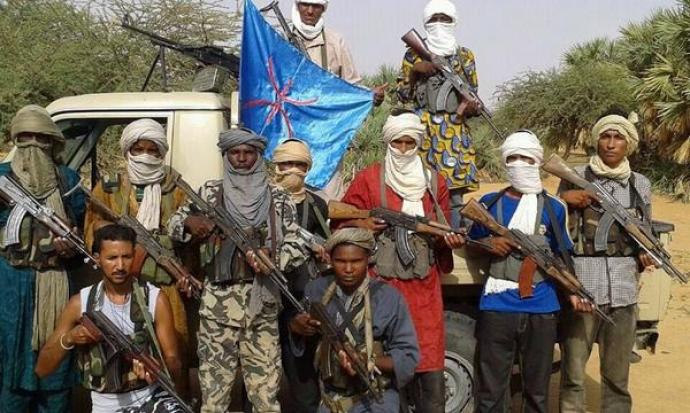
A significant turning point occurred in 2012, when a Tuareg rebellion, coupled with a military coup in Bamako, plunged the country into chaos. Islamist extremist groups, including those linked to al-Qaeda, exploited the power vacuum and seized control of vast swathes of northern Mali. A French-led military intervention in 2013, known as Operation Serval, successfully drove out the Islamist militants, but the underlying issues remained unresolved. The 2015 Algiers Peace Agreement aimed to address the grievances of the Tuareg rebels and reintegrate them into Malian society, but its implementation has been plagued by delays and disagreements.
Current Situation and Challenges
The current escalation of violence is occurring against a backdrop of increasing political instability in Mali. The military junta, led by Assimi Goïta, seized power in a coup in August 2020, overthrowing the democratically elected government of Ibrahim Boubacar Keïta. The junta has since postponed elections and consolidated its control over the country, raising concerns about the erosion of democratic institutions. Human Rights Watch has documented numerous human rights abuses committed by the Malian security forces and armed groups, including arbitrary arrests, torture, and extrajudicial killings.
The Tuareg rebels’ vow to overthrow the junta adds another layer of complexity to the already challenging security situation. The CMA controls significant territory in northern Mali and possesses a well-trained fighting force. However, the rebels face several obstacles, including a lack of widespread popular support and the presence of rival armed groups, including jihadist organizations. The Malian army, backed by Russian mercenaries from the Wagner Group, has been conducting military operations in northern Mali, attempting to regain control of rebel-held areas. The involvement of foreign actors further complicates the conflict and raises concerns about the potential for a protracted and bloody war.
Regional Implications and International Response
The instability in Mali has far-reaching implications for the Sahel region, which is already grappling with a surge in extremist violence, climate change, and humanitarian crises. The conflict in Mali risks spilling over into neighboring countries, including Niger, Burkina Faso, and Mauritania, exacerbating regional instability. The rise of jihadist groups in the Sahel poses a threat to international security, as these groups have demonstrated the capacity to launch attacks beyond the region.
The international community has condemned the military coup in Mali and called for a swift return to civilian rule. The Economic Community of West African States (ECOWAS) has imposed sanctions on Mali in an attempt to pressure the junta to hold elections. However, the sanctions have had limited impact, and the junta has shown little willingness to compromise. France, the former colonial power in Mali, has reduced its military presence in the country, following growing anti-French sentiment and accusations of interference in Malian affairs. The United Nations Multidimensional Integrated Stabilization Mission in Mali (MINUSMA) continues to operate in the country, providing security and humanitarian assistance, but its mandate is under review.
The Eastern Route Migration Crisis
Compounding the challenges in the region, the number of migrants attempting to traverse the Eastern Route, particularly through Mali, has dramatically increased. Despite a doubling of deaths in 2025, tens of thousands continue to risk their lives on this perilous journey. This surge in migration is driven by a combination of factors, including conflict, poverty, and climate change. The instability in Mali and the broader Sahel region makes the Eastern Route even more dangerous, as migrants are exposed to the risk of violence, exploitation, and abuse.

Key Takeaways
- Tuareg rebels have vowed to overthrow Mali’s military junta, escalating tensions in the Sahel region.
- The conflict in northern Mali has deep historical roots, stemming from the marginalization of the Tuareg population.
- The involvement of foreign actors, including Russia and France, complicates the conflict and raises concerns about regional stability.
- The instability in Mali has far-reaching implications for the Sahel region, exacerbating existing humanitarian crises and security threats.
- The Eastern Route migration crisis continues to worsen, with a record number of deaths in 2025.
The situation in Mali remains highly fluid and unpredictable. The coming months will be critical in determining the future of the country and the broader region. The next scheduled ECOWAS summit to discuss the situation in Mali is slated for June 15, 2026, where further sanctions or diplomatic initiatives may be considered. Continued monitoring of the security situation and a renewed commitment to dialogue and inclusive governance are essential to prevent further escalation and promote lasting peace in Mali.
What are your thoughts on the situation in Mali? Share your comments below and let us know how you think the international community should respond.
Keep reading