
Mali Suspends French TV Channels Amid Fuel Blockade Crisis: A deep Dive
Are you trying to understand the escalating tensions in Mali and the recent suspension of French television channels? The situation is complex, rooted in a fuel blockade imposed by an al-Qaeda-linked group and the subsequent response from Mali’s ruling junta. This article provides a complete overview of the crisis, its implications, and what you need to know.
The Core of the Crisis: A Fuel Blockade and Alleged Misinformation
on Friday, November 14, 2025, Mali’s military junta suspended two French television channels – TF1 and LCI – for what they claim is the dissemination of false information regarding a fuel blockade.This blockade, imposed by Jama’at Nusrat al-Islam wal-Musilimin (JNIM), an al-Qaeda-linked group, has plunged the landlocked nation into a deepening crisis.
The High Authority for Dialog in Mali cited “unverified claims and falsehoods” in a broadcast from November 9th as the reason for the suspension. Specifically,the regulatory body disputes three key statements made by the channels:
* the claim that the junta has banned the sale of fuel.
* The assertion that the regions of Kayes and Nioro are under complete blockade.
* the statement that JNIM is nearing the capital, Bamako.
These channels have been removed from distribution packages within Mali until further notice.
Understanding the Fuel Blockade
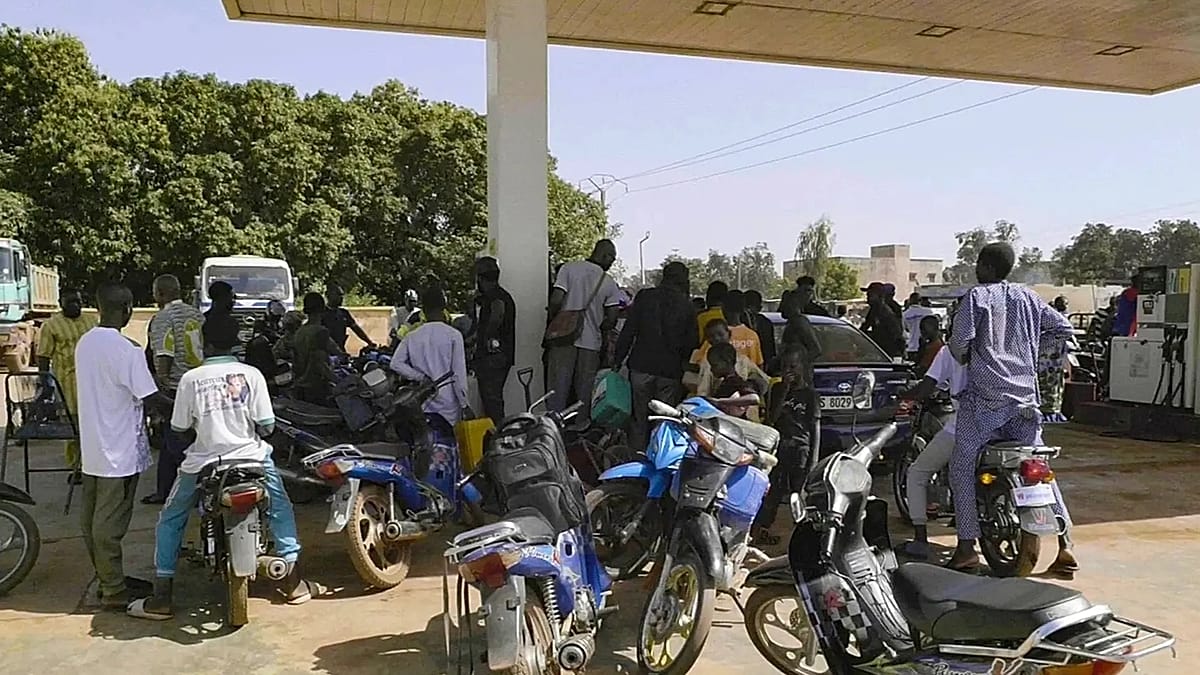
As September, JNIM has enforced a blockade preventing fuel from entering Mali. this action has had a significant and immediate impact. Long lines at gas stations have become commonplace, and the security situation within the country has noticeably deteriorated.The blockade exploits Mali’s landlocked status, making it heavily reliant on external fuel supplies.
The consequences extend beyond mere inconvenience. The fuel shortage hampers essential services, impacts transportation, and exacerbates existing economic vulnerabilities. It also fuels resentment and instability, creating a fertile ground for further conflict.
International Response and Security Concerns
The deteriorating situation has prompted several Western embassies, including those of the United States and france, to urge their citizens to leave Mali. This advisory underscores the growing security risks and the perceived lack of stability within the country.
mali, along with neighboring Niger and burkina Faso, is currently under military rule. These juntas initially seized power with promises of enhanced security for their citizens. Though, analysts suggest the opposite has occurred.
Since the military takeovers, the Sahel region has witnessed a surge in attacks and civilian casualties, attributed to both Islamic militants and government forces. The blockade is just the latest symptom of a broader regional security crisis.
The Broader Context: Military rule and Regional Instability
The current crisis unfolds against a backdrop of increasing political instability in the Sahel region. The rise of military juntas has coincided with a worsening security landscape. This raises concerns about the long-term implications for regional stability and the fight against terrorism.
The suspension of French media outlets also highlights the strained relationship between Mali’s junta and former colonial powers like france.Accusations of interference and biased reporting are common, further complicating the situation.
What Does This Mean for You?
If you are a traveler, a business operating in the region, or simply someone following global events, understanding the situation in Mali is crucial. The fuel blockade and the suspension of media outlets are not isolated incidents. They are indicative of a complex and evolving crisis with far-reaching consequences. Staying informed through reliable sources is paramount.
Evergreen insights: The Sahel’s fragile State
The Sahel region has long been characterized by fragility, stemming from a confluence of factors: climate change, poverty, weak governance, and the proliferation of armed groups. The current crisis in Mali is not an anomaly, but rather a manifestation of these underlying vulnerabilities.
Addressing the root causes of instability requires a multifaceted approach. This includes investing in lasting development, strengthening governance structures, promoting inclusive dialogue, and supporting regional security initiatives. However, these efforts are hampered by political instability, limited resources, and the complex interplay of local and international actors. The situation demands sustained attention and a commitment to long-term solutions.
Frequently Asked Questions (FAQ)
1. What is the primary cause of the crisis in Mali?
The immediate cause is a fuel blockade imposed by JNIM, an al-Qaeda-linked group. However, the crisis is rooted in broader issues of

![Jaguars Injury Report: Strange & Harrison Out – Week [Insert Week Number] Updates](https://a3.espncdn.com/combiner/i?img=%2Fphoto%2F2025%2F1007%2Fr1557067_1296x729_16%2D9.jpg "Jaguars Injury Report: Strange & Harrison Out – Week [Insert Week Number] Updates")



