
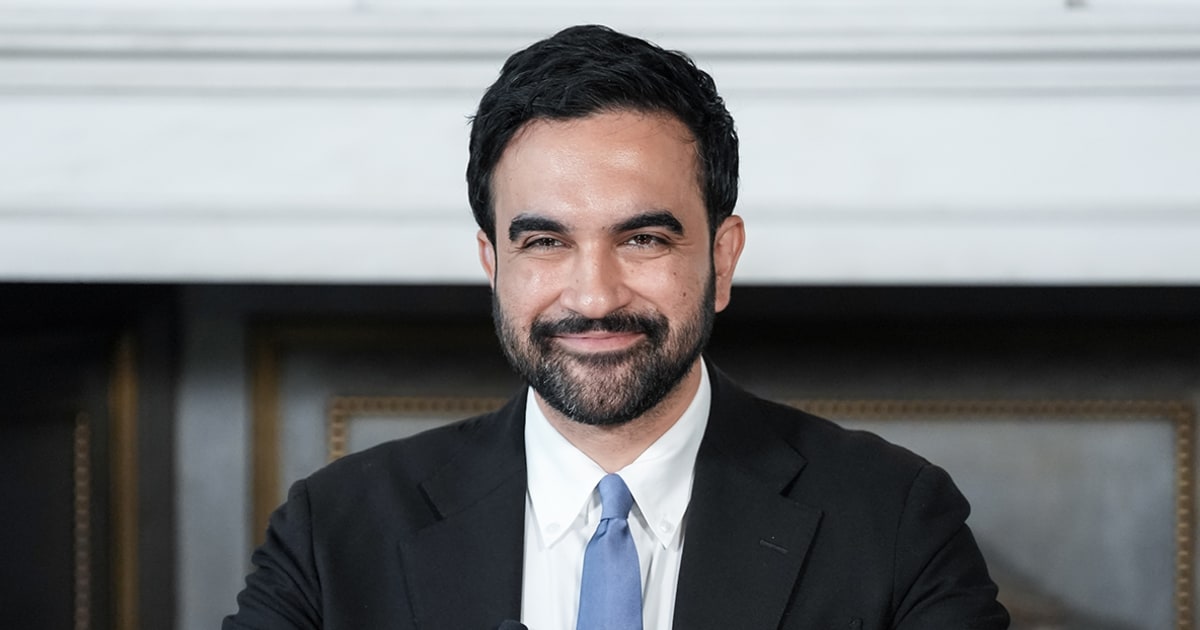
Zohran Mamdani delivered a wide-ranging address ahead of the United States’ 250th anniversary, positioning his vision for the nation in direct opposition to the political platform of Donald Trump. Speaking from a desk historically associated with George Washington, Mamdani utilized the platform to critique contemporary American policy, specifically targeting immigration enforcement, the influence of Elon Musk, and what he characterized as systemic inequality.
The address, which arrived as the nation prepares for its semiquincentennial celebrations, served as a deliberate counter-narrative to the ideology championed by Trump. Mamdani argued that blind adherence to traditional patriotism often obscures historical flaws and persistent socioeconomic disparities. His remarks focused heavily on the rights of immigrants and the restructuring of federal agencies, including a sharp rebuke of Immigration and Customs Enforcement (ICE) practices.
The Ideological Contrast on Immigration and Governance
Mamdani’s speech highlighted a fundamental divide in current American political discourse regarding the role of the state and the treatment of non-citizens. Mamdani advocated for a policy framework centered on migrant protections and the dismantling of current detention infrastructures. The speaker described ICE agents as agents of a system that prioritizes “supremacy” over humanitarian values.
This critique extended to the intersection of private wealth and public policy. Mamdani specifically addressed the influence of Elon Musk, suggesting that the concentration of power in the hands of individuals like him presents a threat to democratic oversight. He argued that the American experiment is currently undermined by an unchecked “supremacy” that favors corporate interests over the welfare of the working class and marginalized communities.
Historical Context and the 250th Anniversary
The choice of setting for the address—George Washington’s presidential desk—was intended to evoke the founding era while challenging the modern interpretation of the nation’s origins. By speaking from a site associated with the first president, Mamdani aimed to reframe the conversation around the 250th anniversary, suggesting that the true legacy of the American Revolution lies in the pursuit of equality rather than the preservation of static tradition.
The intensity of Mamdani’s language underscores a trend to articulate a distinct, values-based opposition to the populist nationalism associated with the Trump movement.
Defining the Path Forward
As the U.S. approaches its 250th anniversary, the debate over how to commemorate the occasion has become a proxy for the broader culture wars. Political figures are increasingly using the milestone to define their own versions of the American identity.

Mamdani’s address serves as a marker for a strategy: emphasizing that the nation’s survival depends on addressing internal inequities rather than merely celebrating past victories. The focus on “blind patriotism” suggests that the upcoming anniversary will be characterized by a clash between those who view the nation’s history as a narrative of steady progress and those who argue it is a history of persistent, unresolved injustice.
What are your thoughts on how the 250th anniversary should be marked? Share your perspectives in the comments section below.