
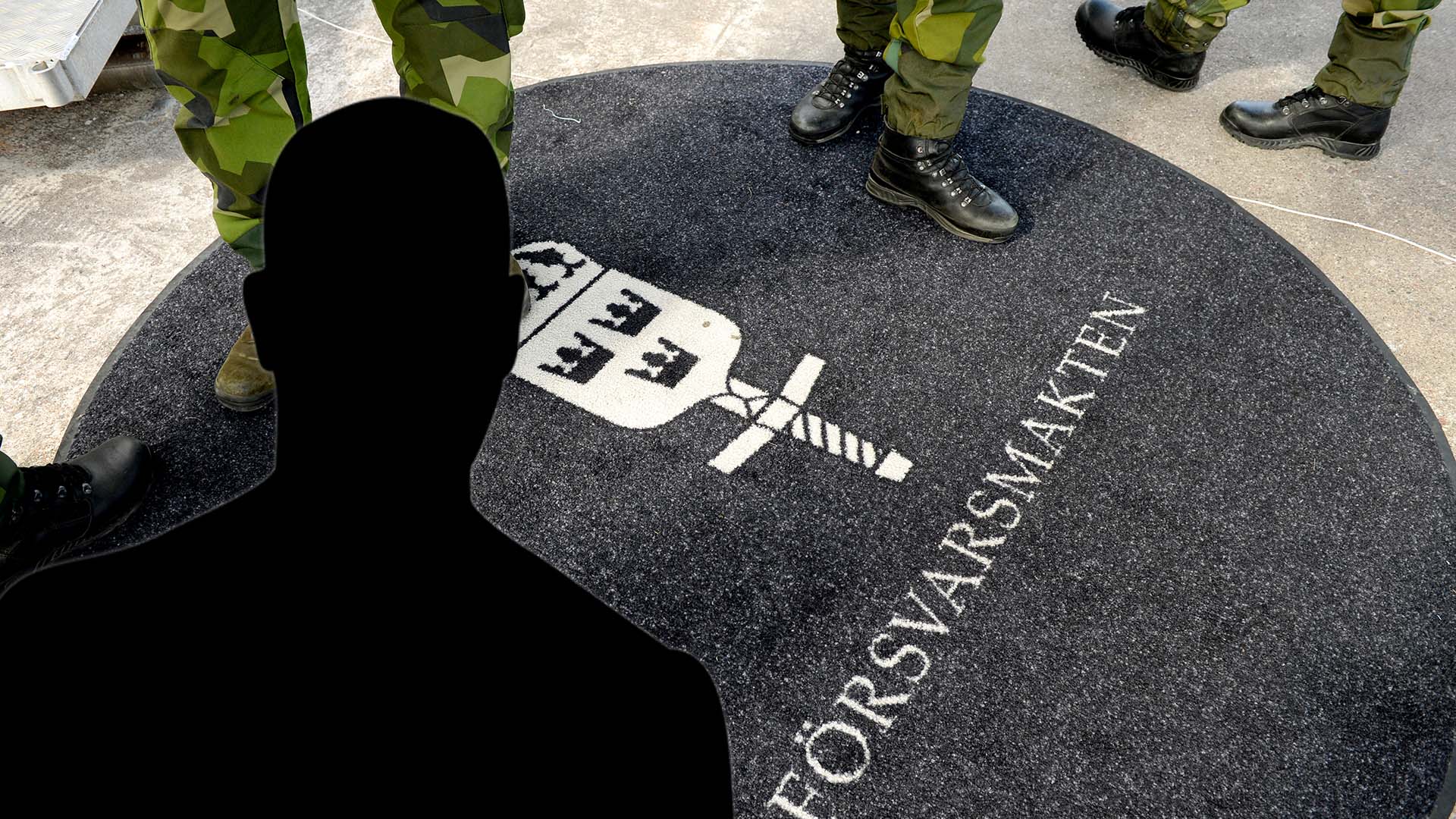
Swedish prosecutors have formally charged a man with attempted espionage, alleging he sought to provide sensitive information to Russian intelligence services. The case, which centers on activities conducted between 2022 and 2023, is currently proceeding through the Swedish judicial system as authorities examine the extent of the defendant’s communications with foreign operatives.
According to the official indictment filed by the Swedish Prosecution Authority, the suspect is accused of attempting to gather and transmit information that could jeopardize Sweden’s national security. The investigation, led by the Swedish Security Service (SÄPO), alleges that the man acted with the intent to assist Russian intelligence, specifically the Federal Security Service (FSB). The case highlights the ongoing challenges Swedish authorities face in counter-intelligence operations amidst heightened geopolitical tensions in the Baltic Sea region, as detailed in recent filings by the Stockholm District Court.
The Allegations and Evidence
The primary charge involves “gross unauthorized intelligence activity,” a serious offense under Swedish law. Investigators claim the defendant initiated contact with Russian intelligence representatives on multiple occasions. Evidence presented by the prosecution includes digital logs and communication records, which authorities say demonstrate a pattern of behavior intended to facilitate the transfer of protected data. As reported by the Swedish news agency TT, the prosecution alleges the man made numerous attempts to contact the FSB to offer his services as an informant.
The prosecution’s case relies heavily on documentation recovered during the investigation. According to statements from the Swedish Security Service, the suspect allegedly sought to reveal secrets regarding Swedish infrastructure and defense capabilities. While the specific nature of the information remains classified due to national security protocols, the charges suggest a sustained effort to establish a clandestine relationship with foreign handlers. The defendant has maintained his innocence regarding the specific intent to harm Swedish interests, according to reports from public service broadcaster SVT.
Geopolitical Context and Security Implications
This case follows a series of high-profile espionage investigations in Sweden, reflecting a broader pattern of increased foreign intelligence activity in the Nordic region. Security analysts often point to the strategic importance of Sweden, particularly following its recent accession to NATO, as a factor in the heightened interest from external state actors. The Swedish Security Service has publicly stated that Russia remains the most significant intelligence threat to Sweden, frequently employing human intelligence networks to bypass digital security measures.
The legal proceedings serve as a reminder of the mechanisms in place for counter-espionage in Sweden. Under the Swedish Penal Code, the crime of attempted espionage carries significant penalties, including lengthy prison sentences. The court’s focus remains on whether the suspect’s actions reached the threshold of “attempted” espionage—a legal standard that requires proof of intent combined with a concrete act, even if the intelligence transfer was not completed. The current trial is being closely monitored by legal experts for its potential to set precedents on how “intent” is measured in digital-era espionage cases.
Legal Proceedings and Next Steps
The trial is currently active, with the Stockholm District Court presiding over the presentation of evidence. The defense has focused on challenging the prosecution’s interpretation of the defendant’s communications, arguing that the interactions did not constitute a genuine threat to national security or a completed intelligence gathering operation. The court is expected to hear testimony from security experts and potentially examine technical evidence regarding the digital footprints left by the suspect.

The next major checkpoint in the case will be the conclusion of the trial proceedings and the subsequent verdict. As of the latest update from the judiciary, the court has not yet set a final date for the delivery of the judgment. Members of the public can track official case updates and scheduling information through the Stockholm District Court’s public records portal, which provides transparency on ongoing criminal proceedings. Readers are encouraged to share their thoughts on the implications of this case for national security or subscribe to further updates as the court moves toward a final decision.