A 28-year-old man was detained at Cape Town International Airport after authorities discovered approximately 150 scorpions concealed within his checked luggage. The arrest highlights the persistent challenges facing South African border security in curbing the illegal wildlife trade, as officials work to intercept venomous species destined for the global exotic pet market.
Security personnel at the airport intercepted the individual during routine baggage screening. According to reports, the scorpions were found hidden inside the traveler’s luggage, prompting an immediate investigation by local law enforcement. While the specific species of the scorpions have not been officially confirmed by a biological assessment, the quantity and method of concealment suggest an organized attempt to bypass international wildlife regulations.
The South African Police Service (SAPS) and airport customs officials are currently processing the case. Authorities are investigating whether the individual was acting alone or as part of a larger smuggling syndicate targeting high-value venomous arachnids. The incident underscores the vulnerability of major transit hubs to the illicit movement of protected biological assets.
How were the scorpions discovered at Cape Town airport?
The discovery occurred during standard security protocols designed to detect prohibited items and contraband. Airport security systems, which include advanced X-ray scanning and physical inspections of checked baggage, identified irregularities in the man’s luggage. Upon further inspection, officials uncovered the collection of approximately 150 scorpions.
Security experts note that smugglers often attempt to hide small, high-value animals in dense or complex luggage items to evade detection. However, the sheer volume of specimens in this instance triggered secondary screening. The presence of a large number of live, venomous animals in a passenger’s hold presents not only a legal breach but also a significant safety risk to airport staff and ground handling crews.
What are the legal consequences of wildlife smuggling in South Africa?
The transport of live animals across international borders without proper documentation is a violation of several domestic and international laws. In South Africa, the movement of indigenous species is strictly governed by the National Environmental Management: Biodiversity Act (NEMBA). This legislation regulates the trade of flora and fauna to ensure that biological diversity is not compromised by commercial exploitation.
Furthermore, the international movement of such species is subject to the Convention on International Trade in Endangered Species of Wild Fauna and Flora (CITES). CITES is an international agreement between governments designed to ensure that international trade in specimens of wild animals and plants does not threaten their survival. Violating CITES regulations can result in severe legal repercussions, including:
- Heavy financial penalties and fines.
- Imprisonment for trafficking or illegal possession.
- Seizure and permanent forfeiture of the biological specimens.
- Permanent bans on international travel or trade licenses.
Law enforcement agencies in South Africa have increased their focus on “biological contraband,” recognizing that the illegal wildlife trade is a multi-billion-dollar global industry. The arrest of the 28-year-old individual will likely serve as a focal point for upcoming legal proceedings involving wildlife crime in the Western Cape province.
Why is the illegal exotic pet trade a global concern?
The smuggling of scorpions and other arachnids is driven by a niche but highly profitable global market for exotic pets. Collectors and hobbyists often seek rare or highly venomous species that are difficult to acquire through legal, regulated channels. This demand creates a lucrative incentive for smugglers to bypass environmental protections.
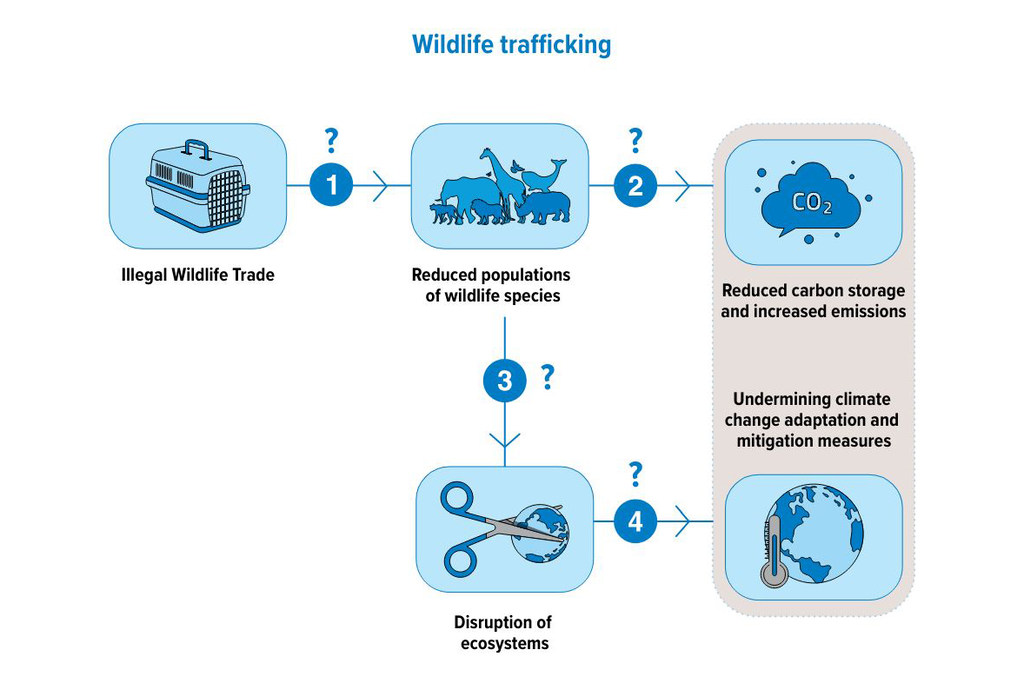
Beyond the immediate legal and safety concerns, the illegal wildlife trade has broader ecological and humanitarian implications. The removal of large numbers of specific species from their native habitats can disrupt local ecosystems, leading to unforeseen shifts in predator-prey dynamics. Additionally, the unregulated movement of animals increases the risk of zoonotic disease transmission and the accidental introduction of invasive species into new environments.

The following table compares the characteristics of legal versus illegal wildlife trade to illustrate the risks involved in the recent Cape Town arrest:
| Feature | Legal Wildlife Trade | Illegal Wildlife Smuggling |
|---|---|---|
| Documentation | Requires CITES permits and health certificates. | Concealed or entirely absent. |
| Regulation | Monitored by national and international bodies. | Evades customs and law enforcement. |
| Animal Welfare | Strict standards for transport and care. | High risk of death or injury due to poor conditions. |
| Ecological Impact | Managed to ensure population sustainability. | Threatens biodiversity and ecosystem stability. |
What happens next for the suspect?
Following the arrest, the 28-year-old man was taken into custody for questioning by the South African Police Service. The investigation is expected to focus on the intended destination of the scorpions and the potential source of the animals. Authorities are working to determine if the scorpions were harvested from protected areas within South Africa or if they were being transshipped through the airport.
The suspect will likely face charges related to the illegal possession and transport of wildlife, as well as potential violations of customs and border control laws. A court date for the initial hearing is expected to be announced once the SAPS completes its preliminary investigation and formalizes the charges.
Next Checkpoint: Official updates from the South African Police Service regarding the formal charging of the suspect or the identification of the scorpion species are expected following the conclusion of the forensic investigation.
Have thoughts on how airports can better secure against wildlife smuggling? Share your perspective in the comments below and share this report with your network.
Keep reading