
Living with a chronic health condition often requires a shift in perspective, moving from seeing oneself as defined by a diagnosis to viewing it as a manageable part of life. For many, the journey to a formal diagnosis of diabetes mellitus begins with noticeable physiological changes, such as extreme thirst—medically known as polydipsia—and frequent urination. Recognizing these symptoms early and seeking professional medical evaluation is the most effective path toward stabilizing blood glucose levels and maintaining long-term health, according to the World Health Organization.
When an individual experiences a sudden and drastic increase in fluid intake, it serves as a critical biological signal that warrants immediate clinical attention. In the case of individuals presenting with symptoms like excessive thirst, medical professionals typically initiate diagnostic testing, such as the A1C test or a fasting plasma glucose test, to confirm or rule out a metabolic disorder, as outlined by the National Institute of Diabetes and Digestive and Kidney Diseases.
Understanding the Physiological Signals of Diabetes
The body’s regulation of blood sugar, or glucose, is a precise process involving the hormone insulin. When the pancreas produces insufficient insulin, or when the body cannot effectively use the insulin it produces, glucose accumulates in the bloodstream rather than entering the cells to provide energy. This state, known as hyperglycemia, forces the kidneys to work overtime to filter and absorb the excess sugar. When the kidneys are overwhelmed, the extra sugar is excreted into the urine, pulling fluids from the body’s tissues and leading to dehydration and intense thirst.
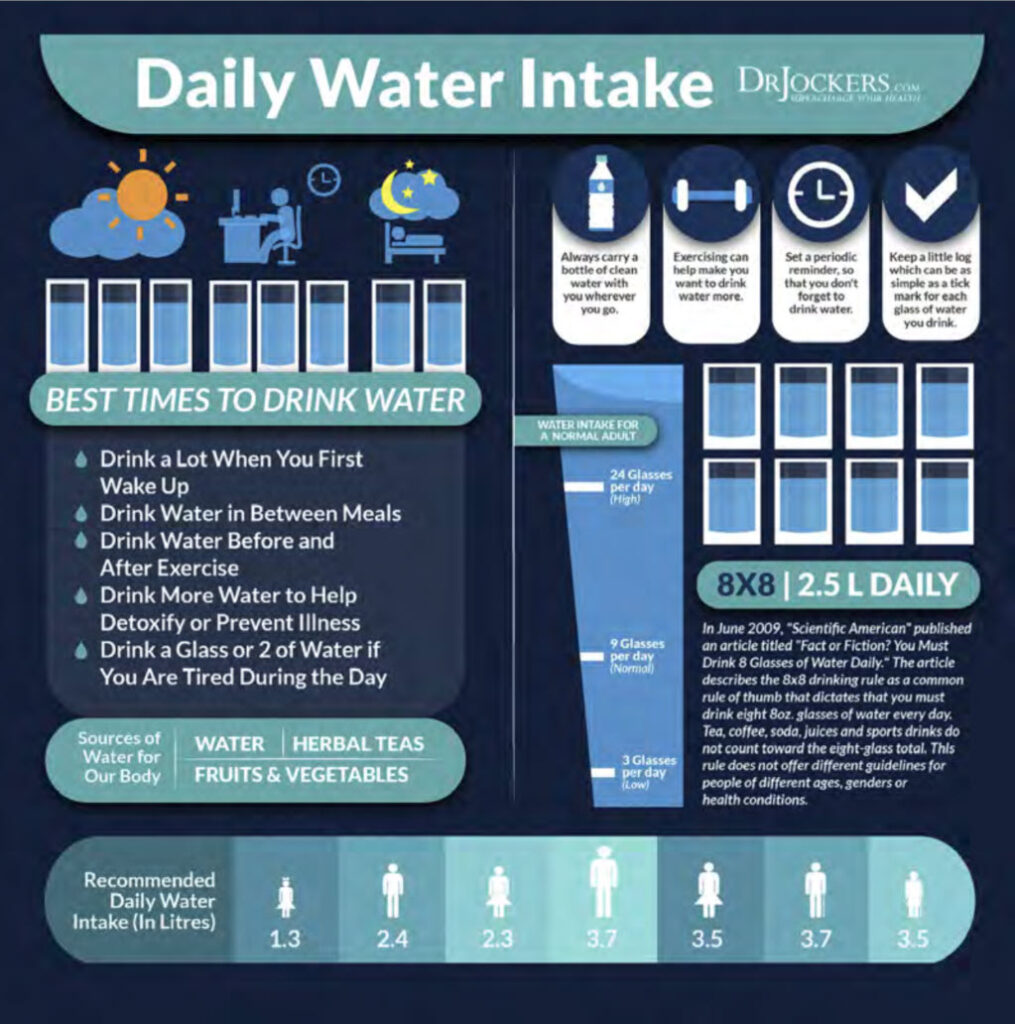
This cycle of symptoms—polyuria (frequent urination) and polydipsia (excessive thirst)—is a hallmark of both type 1 and type 2 diabetes. While the underlying mechanisms differ, the clinical presentation often prompts patients to seek help. Early intervention is vital, as persistent hyperglycemia can lead to serious complications affecting the heart, blood vessels, eyes, kidneys, and nerves. The Centers for Disease Control and Prevention emphasizes that while there is no cure for diabetes, it can be managed through lifestyle modifications, medication, and consistent blood sugar monitoring.
The Psychological Shift: Moving Beyond the Diagnosis
Beyond the clinical management of the condition, many patients emphasize the importance of psychological resilience. The perspective that one “has” diabetes rather than “is” diabetic represents a significant shift in patient agency. This distinction helps individuals maintain their identity, separating their personal character from their medical status. By framing the condition as a manageable aspect of daily life, patients often report improved adherence to treatment plans and a more positive outlook on long-term health outcomes.
Support networks, including endocrinologists, diabetes educators, and nutritionists, play a pivotal role in this transition. These professionals provide the tools necessary to navigate dietary adjustments, such as managing carbohydrate intake, and the physical activity requirements that help improve insulin sensitivity. For those newly diagnosed, the focus remains on education—understanding how different foods, stress, and illness impact glucose levels is essential for maintaining stability.
Next Steps and Clinical Management
For anyone experiencing sudden changes in thirst or urination, the first step is to schedule an appointment with a primary care physician. Medical providers will conduct routine blood work to determine blood glucose levels and assess overall metabolic function. It is important to avoid self-diagnosis based on online information alone, as symptoms like polydipsia can occasionally be linked to other health conditions, including kidney dysfunction or electrolyte imbalances.
Once a diagnosis is confirmed, the medical team will establish a personalized care plan. This plan typically involves regular check-ups, ongoing monitoring of HbA1c levels, and adjustments to diet or medication as necessary. Staying informed through official health portals, such as the American Diabetes Association, ensures that patients have access to the latest research and evidence-based strategies for living well with the condition.
If you or a loved one are navigating a new diagnosis, remember that you are not alone in this process. Managing your health is a proactive journey, and the clinical resources available today are more advanced than ever before. We encourage you to share your experiences or questions regarding diabetes management in the comments section below, as community support remains a powerful tool for those managing chronic conditions.
Keep reading