A Romanian national has been sentenced to six years in prison for his role in a sophisticated human smuggling operation that utilized lorries to transport migrants across international borders. The conviction, handed down by a UK court, follows an extensive investigation into organized crime groups responsible for facilitating illegal entry into the country.
According to the National Crime Agency (NCA), the individual played a significant part in a logistical network that prioritized profit over the safety of those being transported. The sentencing marks a significant development in ongoing efforts by law enforcement agencies to dismantle trafficking rings that frequently expose vulnerable individuals to life-threatening conditions during transit.
The Mechanics of the Smuggling Operation
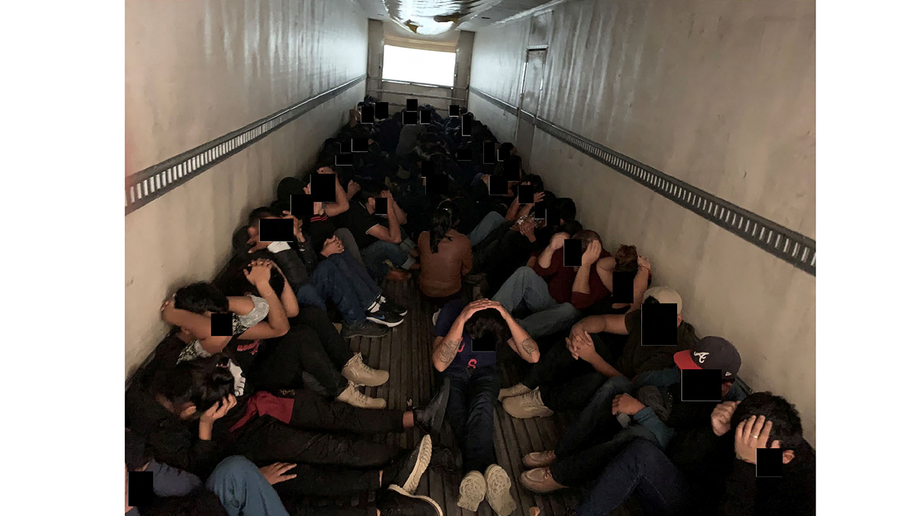
Investigations revealed that the smuggling operation relied on the use of commercial heavy goods vehicles (HGVs) to conceal migrants during transit. The UK Home Office has characterized these methods as inherently dangerous, noting that individuals were often kept in cramped, poorly ventilated spaces for extended periods, frequently without access to adequate food, water, or emergency exits. The convicted man was identified as a key facilitator who coordinated the movement of these vehicles, ensuring they bypassed standard security checks at major ports.
Legal proceedings confirmed that the operation was part of a broader, transnational effort to exploit migration routes. The court heard evidence detailing how the group utilized specialized drivers and logistical planners to manage the risks of detection. Under the Immigration Act 1971, assisting unlawful immigration is a serious criminal offense, carrying severe penalties intended to deter those who profit from the movement of people across borders.
Legal Context and Sentencing Guidelines
The sentencing of the perpetrator reflects a judicial focus on the role of facilitators within human trafficking networks. In the UK, the courts are empowered to impose significant custodial sentences under the Sentencing Council guidelines, which emphasize the culpability of those who organize or profit from illegal immigration. Prosecutors argued that the defendant’s actions were not merely incidental but central to the successful operation of the trafficking syndicate.

The six-year term serves as a deterrent against similar criminal activity, according to statements released by the prosecution. While the defense presented arguments regarding the defendant’s level of involvement, the court determined that the severity of the endangerment to human life necessitated a substantial period of incarceration. This case is part of a series of prosecutions targeting organized crime groups that have increasingly turned to the use of lorries as a primary method for clandestine entry.
Broader Impact on Border Security
Human smuggling via lorries remains a primary concern for border security officials across Europe and the UK. The European Union Agency for Law Enforcement Cooperation (Europol) consistently highlights that criminal networks involved in these activities are highly adaptive, frequently changing routes and methods to avoid detection. The use of heavy goods vehicles is particularly difficult to police, as these trucks are essential for legitimate trade and commerce, requiring a delicate balance between security screening and the efficient movement of goods.
The impact of these operations extends beyond the legal consequences for the smugglers. For the migrants involved, the transit often represents a traumatic and high-risk journey, with many suffering from dehydration, respiratory issues, or worse when exposed to extreme temperatures inside trailers. Authorities continue to stress that these networks operate with little regard for the safety of their “cargo,” often abandoning vehicles if they suspect law enforcement is nearby.
Looking Ahead: Future Legal Proceedings
This case is not expected to be the final action regarding this specific criminal syndicate. Law enforcement officials have indicated that investigations into other members of the network are ongoing, with further arrests and court appearances likely in the coming months. The Crown Prosecution Service (CPS) continues to review evidence gathered from digital devices and communications intercepted during the initial investigation.
The next major checkpoint involves a series of pre-trial hearings for other alleged associates of the smuggling ring, currently scheduled to take place later this year. As these legal processes unfold, the international community continues to monitor how judicial systems address the complex interplay between border policy, organized crime, and the protection of human rights. For readers following this story, updates on the judicial timeline can be tracked through official court listings and public statements from the National Crime Agency.
We welcome your thoughts on how international cooperation can better address these criminal networks. Please feel free to share this report or join the discussion in the comments section below.