
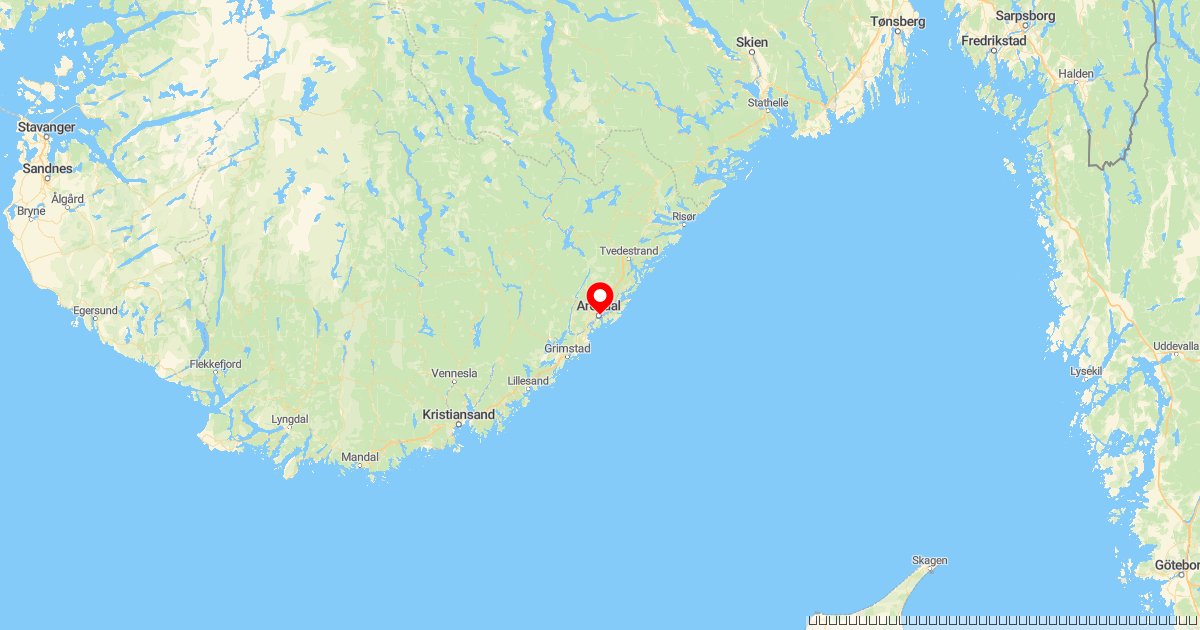
Norwegian police shot a man in the leg during a law enforcement operation in Arendal on Thursday, October 17, 2024. The Agder Police District confirmed the use of firearms after the suspect reportedly threatened officers with a knife during the encounter.
The incident occurred during a targeted police action in the city of Arendal. According to statements from the Agder Police, officers discharged their weapons to neutralize a threat posed by the individual. The man was struck in the leg and subsequently taken into custody after receiving medical treatment for his injuries.
The Norwegian Bureau for the Investigation of Police Affairs, known as Spesialenheten for politisaker, has opened a formal investigation into the shooting. This is a mandatory procedure under Norwegian law whenever police use firearms resulting in injury or death.
Why did police open fire in Arendal?
The shooting took place during a planned police operation. While the specific nature of the initial investigation leading to the operation has not been fully disclosed, Agder Police officials stated that the situation escalated when the suspect produced a knife. Officers reported that the use of force was necessary to protect the safety of the personnel involved and the public.

In Norway, police officers do not carry firearms on their person at all times; weapons are typically stored in patrol cars and must be retrieved for specific threats. The decision to deploy firearms in this instance indicates that the police perceived an immediate and serious risk. According to the Police Act (Politiloven), the use of force must be necessary and proportionate to the objective being pursued.
The suspect was apprehended immediately following the shooting. Police have not released the identity or the exact age of the man, though they confirmed he is currently in custody.
What is the current condition of the suspect?
The man sustained a gunshot wound to the leg. He was transported to a medical facility for treatment shortly after the arrest. Local health authorities and police have described the injury as non-life-threatening.

The suspect remains under police guard while receiving medical care. Once cleared by medical professionals, he will be subject to formal interrogation regarding the events leading up to the confrontation and the original reason for the police operation.
How does the Norwegian police investigation process work?
Every instance of police shooting in Norway is subject to an independent review. The Norwegian Bureau for the Investigation of Police Affairs (Spesialenheten) is the body responsible for investigating whether the officers acted within the boundaries of the law.
The investigation typically follows a strict protocol:
- Evidence Collection: The scene is secured, and forensic evidence, including the weapon used by the suspect and the police firearms, is collected.
- Officer Testimony: All officers involved in the operation must provide detailed accounts of the events and the perceived threat level.
- Legal Review: The Bureau determines if the use of force was “necessary” and “proportionate” under the guidelines of the Police Act.
If the Bureau finds that the use of force was unjustified, the case can be referred to the prosecuting authority for criminal charges. If the action is deemed lawful, the case is closed without further legal action against the officers.
What are Norway’s laws on police use of force?
Norway maintains a restrictive policy regarding the use of firearms by law enforcement. The primary objective is always to resolve conflicts using the least amount of force necessary. The use of a firearm is considered a last resort, permitted only when there is an immediate danger to life or health.

The legal framework emphasizes the principle of proportionality. This means that the level of force used must be balanced against the severity of the threat. In the Arendal case, the presence of a knife is generally categorized as a lethal threat, which provides the legal basis for the use of firearms if other means of restraint, such as Tasers or physical force, are deemed insufficient or too risky.
This incident is one of a limited number of police shootings in Norway annually, reflecting a policing model that prioritizes de-escalation. However, the Agder Police District maintained that the specific circumstances in Arendal left officers with no other viable option to ensure safety.
The investigation by Spesialenheten is expected to continue over the coming weeks. The next official update will be provided upon the completion of the preliminary inquiry or if the suspect is formally charged in court.
Readers are encouraged to share this report and provide comments on the development of police transparency in Norway.