Man Turns Blue After Sleeping in New, Unwashed Sheets
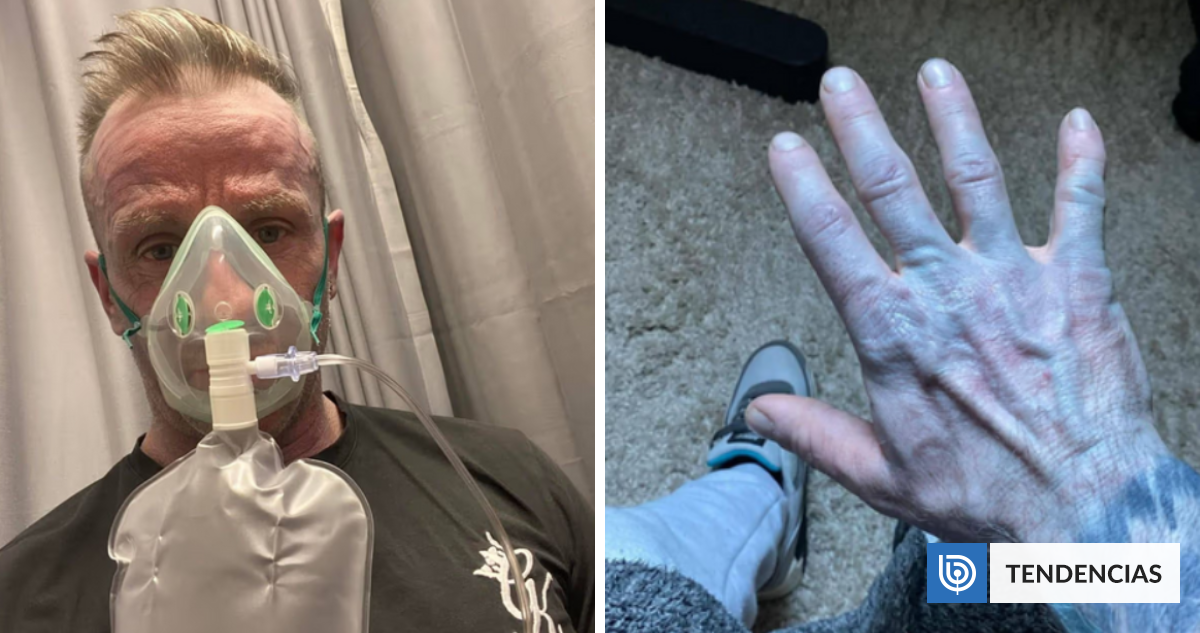
A 42-year-aged man from Derbyshire, England, experienced a startling and unusual reaction after sleeping in a new set of navy blue bedsheets: he woke up with his skin completely tinted blue. Tommy Lynch, of Castle Gresley, initially feared a serious medical condition, rushing to the hospital where doctors were baffled – and ultimately amused – by the cause of his unusual complexion. The incident, which occurred earlier this month, highlights the importance of washing new textiles before use to remove excess dye.
Lynch recounted the experience, explaining that he felt “extremely tired” when he awoke and was alerted to his blue hue by a friend who works as a carer. Concerned, his friend immediately took him to the nearest hospital. Upon arrival, Lynch was quickly assessed by medical staff and placed on oxygen while doctors attempted to determine the cause of his condition. The situation took an unexpected turn when a doctor wiped Lynch’s arm with an alcohol swab, which itself turned blue, revealing the source of the unusual coloration.
Dye Transfer from New Bedding
The culprit, it turned out, was the dye from the unwashed navy blue king-size bedsheets, a gift from a friend named Del. Lynch admitted he hadn’t considered washing the sheets before using them, a common oversight that led to the dye transferring to his skin. “I never knew you had to wash your sheets before you slept on them,” he told The Mirror. The doctors, who reportedly had never seen a patient present with such a striking coloration, were initially concerned but ultimately found the situation humorous.
“Everyone in the reception of A&E was staring at me like they’d seen a ghost,” Lynch said. “I had to walk up to the desk and I didn’t even know what to say: ‘Hi, I’ve woken up blue’.” He likened his appearance to that of an “Avatar” character, referencing the blue-skinned humanoids from the popular film franchise. The medical team’s initial concern quickly shifted to amusement once the dye transfer was identified.
A&E Staff Amused by Unusual Case
The incident provided a rare moment of levity for staff at the hospital’s Accident and Emergency (A&E) department. According to Lynch, the doctors remarked that they “don’t usually have funny stories in A&E.” While Lynch was initially mortified by the experience, he acknowledged that he provided the medical staff with a memorable case. He described leaving the hospital feeling “more red than blue” from embarrassment.
The blue discoloration wasn’t limited to Lynch’s skin surface. He noted that for a week after the incident, the water in his bath would turn blue as the remaining dye washed away. “That day I left the hospital more red than blue. People were still looking at me strangely while I took bath after bath, but it took a week to secure it off. The water was coming out blue,” he explained.
The Importance of Washing New Textiles
This unusual case serves as a reminder of the importance of washing new clothing and bedding before first use. Textile dyes, particularly those used in brightly colored fabrics, can contain excess dye that can transfer to skin and other surfaces. This represents especially true for darker colors like navy blue, indigo, and deep reds. The dye transfer is generally harmless, but can be alarming and cause temporary skin discoloration.
While the specific dyes used in Lynch’s bedsheets haven’t been identified, textile manufacturers often use reactive dyes, which form a chemical bond with the fabric fibers. However, some unbound dye remains on the surface and can be released during the first few washes. Washing new textiles helps to remove this excess dye, preventing it from transferring to skin or other materials.
What Causes Dye Transfer?
Dye transfer occurs when unbound dye molecules are released from the fabric and approach into contact with another surface, such as skin, clothing, or furniture. Several factors can contribute to dye transfer, including:
- Type of Dye: Reactive dyes, while durable, can still release some unbound dye during initial washes.
- Fabric Type: Certain fabrics, like cotton and rayon, are more prone to dye transfer than synthetic materials.
- Color Intensity: Darker and more vibrant colors generally contain more dye and are more likely to transfer.
- Washing Conditions: Using cold water and mild detergents can help to minimize dye transfer.
Experts recommend washing new textiles separately in cold water with a mild detergent for the first few washes to prevent dye transfer. Adding a color-catching sheet to the wash can also help to absorb any released dye.
Lynch’s Advice and Aftermath
Following his experience, Lynch has become an advocate for pre-washing new bedding. “The first thing I did when I got home was wash the sheets,” he said. “Since then, I haven’t turned blue again.” He jokingly advised others to always wash their sheets before using them “unless you want to skip the queue in A&E.”
The incident, while initially alarming, ultimately provided a lighthearted story for Lynch and the medical staff involved. It also serves as a valuable lesson for consumers about the importance of proper textile care. The case gained attention online, with reports appearing in The Sun and on Facebook, further spreading awareness of the potential for dye transfer.
As of March 12, 2026, there have been no further reports of similar incidents linked to unwashed bedding. However, consumer advocacy groups continue to recommend washing new textiles as a precautionary measure. The incident underscores the importance of being mindful of potential hazards associated with everyday products and taking simple steps to protect one’s health and well-being.
Have you ever experienced a similar issue with dye transfer? Share your stories and tips in the comments below. Don’t forget to share this article with friends and family to raise awareness about the importance of washing new bedding!
Worth a look
- Padang Floods: Hospitals Submerged, Hundreds Evacuated as BMKG Warns of More Rain
- NBA Updates: Hamby’s Impact in LA and Curry’s Leadership in Arkansas
- Phil Collins Reveals Near-Fatal Organ Failure After Years of Alcohol Abuse (time.news)
- Virginia Tech Study Reveals New Patterns in Storm Surge Behavior (newsdirectory3.com)