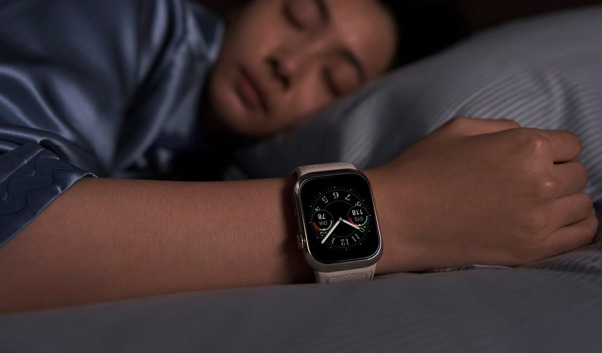
Integrating advanced technology into cardiovascular health monitoring has transformed how patients and clinicians manage hypertension, shifting the focus from sporadic clinical visits to continuous, data-driven oversight. By utilizing wearable sensors, digital blood pressure monitors, and mobile health applications, individuals can now track their physiological data in real-time, allowing for more precise interventions and proactive lifestyle adjustments. According to the World Health Organization, hypertension affects an estimated 1.28 billion adults globally, yet many remain unaware of their condition due to the often asymptomatic nature of the disease, making digital health tools vital for early detection and long-term management.
As the technology sector continues to evolve, the distinction between medical-grade diagnostic equipment and consumer-level wearables has narrowed. Patients are increasingly relying on smart devices that provide automated blood pressure readings, which are then synced directly to electronic health records (EHRs). This seamless flow of information ensures that healthcare providers have access to longitudinal data, rather than relying solely on the “white coat hypertension” effect—a phenomenon where blood pressure readings are artificially elevated due to the stress of a medical environment, as noted by the American Heart Association.
The Evolution of Digital Blood Pressure Monitoring
The transition from manual sphygmomanometers to connected digital devices represents a significant milestone in preventive medicine. Modern home-based monitoring systems now incorporate Bluetooth and Wi-Fi connectivity, enabling users to store, analyze, and share their data with healthcare professionals instantly. This digital shift is supported by advancements in sensor technology and machine learning algorithms that can detect irregular heart rhythms, such as atrial fibrillation, alongside standard blood pressure metrics.

According to the U.S. Food and Drug Administration (FDA), digital health tools—including mobile medical applications and wearable sensors—must meet rigorous safety and efficacy standards when used for diagnostic or treatment purposes. The integration of these tools into standard care pathways allows for a more personalized approach to medicine, where treatment plans are adjusted based on a patient’s specific activity levels, sleep quality, and dietary trends rather than static, infrequent snapshots.
Data Security and Clinical Integration
While the benefits of remote patient monitoring are clear, the influx of personal health data necessitates robust cybersecurity measures. Protecting sensitive cardiovascular information is a primary concern for both manufacturers and health systems. Under regulations such as the Health Insurance Portability and Accountability Act (HIPAA) in the United States, any entity handling electronic health information must implement stringent safeguards to prevent unauthorized access and data breaches.

Beyond security, the challenge remains in the interoperability of these platforms. For technology to truly support cardiovascular health, data from various devices must be easily integrated into existing hospital software. When information is siloed, its clinical utility is diminished. Experts in medical informatics continue to advocate for standardized data protocols that allow different devices to “talk” to one another, ensuring that a patient’s digital health profile is comprehensive and accessible to their entire care team.
Practical Considerations for Patients
For patients looking to incorporate technology into their cardiovascular health routine, the first step is selecting a device that has been clinically validated. Not all consumer wearables provide the accuracy required for medical decision-making. The Validated Device List (VDL), maintained by the American Medical Association and other global health organizations, provides a database of devices that have undergone independent clinical validation to ensure their measurements meet international accuracy standards.
Consistency is equally important. Experts recommend taking measurements at the same time each day, ensuring the body is relaxed, and using a cuff of the correct size. These habits, combined with the convenience of digital tracking, empower patients to take an active role in their health. By providing doctors with an accurate, long-term log of blood pressure trends, patients can help their providers make more informed decisions about medication dosages and lifestyle recommendations.
Future Trends in Cardiovascular Tech
Looking ahead, the next frontier in cardiovascular monitoring involves the use of artificial intelligence (AI) to predict adverse events before they occur. By analyzing patterns in blood pressure, heart rate variability, and physical activity, predictive models may soon be able to alert patients to potential health risks, such as an impending spike in blood pressure or the onset of a cardiovascular event. These advancements are currently being explored in numerous clinical research settings to determine their feasibility and impact on patient outcomes.

The role of technology in monitoring blood pressure is not to replace the physician but to enhance the partnership between patient and provider. As these tools become more intuitive and affordable, they will likely become a standard component of primary care. For the latest updates on medical device regulations and upcoming clinical guidelines, patients are encouraged to consult official resources provided by national health ministries and professional cardiology associations. If you have questions about integrating these tools into your own care plan, speak with your healthcare provider at your next scheduled appointment.
Worth a look