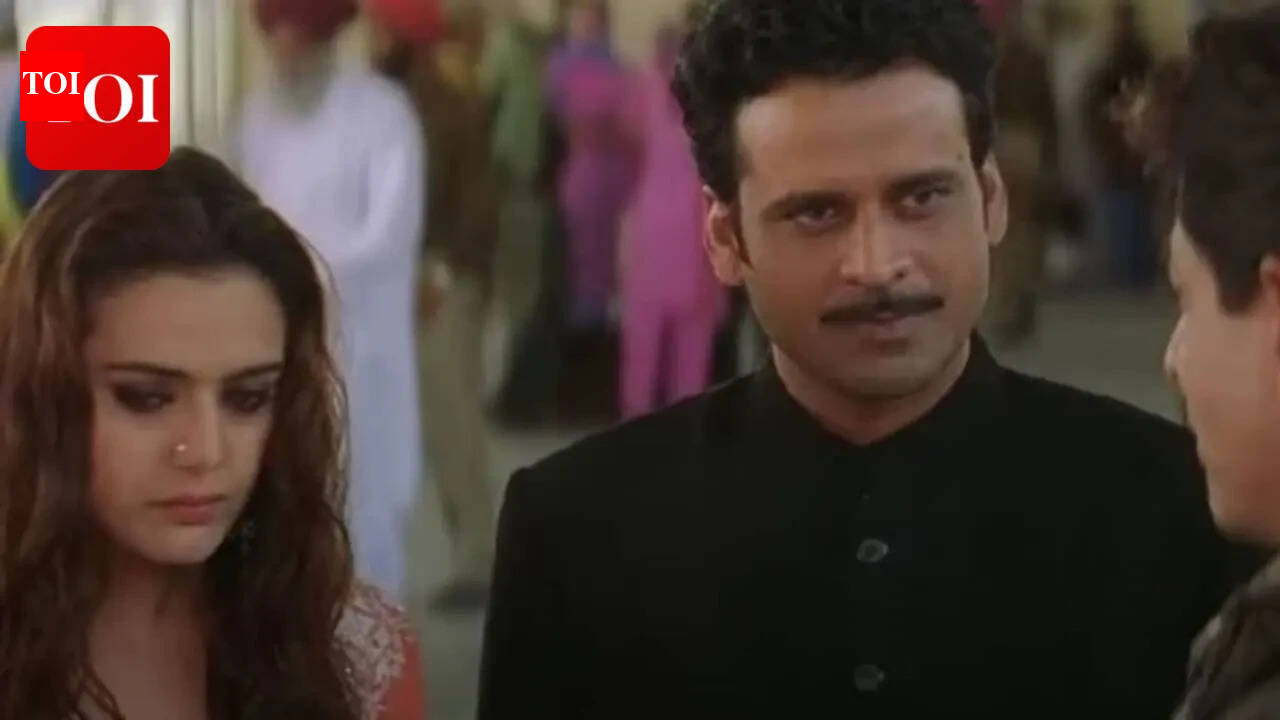
National Award-winning actor Manoj Bajpayee recently reflected on a candid exchange with the late filmmaker Yash Chopra during the production of the 2004 romantic drama Veer-Zaara. During a guest appearance on the talk show Shekhar Tonite, hosted by veteran actor Shekhar Suman, Bajpayee recounted how Chopra offered him a blunt assessment of his acting style, telling him, “I don’t make films for actors like you.”
The film, directed by Yash Chopra and produced by Yash Raj Films, featured a star-studded cast including Shah Rukh Khan, Preity Zinta, and Rani Mukerji. According to official production records from Yash Raj Films, Veer-Zaara remains one of the most celebrated titles in the studio’s legacy, having premiered in November 2004. Bajpayee’s role in the project served as a notable collaboration between the method-focused actor and the grand-scale romanticism characteristic of the Chopra brand.
The Context of the Interaction
Bajpayee described the encounter as a moment of professional clarity rather than a slight. On Shekhar Tonite, he explained that while he was grateful for the opportunity to work with a director of Chopra’s stature, the filmmaker was transparent about the specific demands of his cinematic world. Chopra, known for his refined, larger-than-life storytelling, reportedly felt that Bajpayee’s naturalistic, gritty approach to character work—which had earned him critical acclaim in films like Satya—diverged from the specific requirements of the romantic leads he typically cast.

Despite this difference in artistic philosophy, Bajpayee emphasized that the experience was characterized by professional respect. The actor noted that Chopra’s honesty allowed him to understand the nuances of mainstream commercial cinema better. For Bajpayee, who has frequently been cited in media as a pioneer of the “realistic” acting movement in Indian cinema, the interaction stands as a testament to the diverse creative approaches within the industry.
Creative Differences in Indian Cinema
The dynamic between Manoj Bajpayee and Yash Chopra highlights a broader historical tension in Indian film: the balance between character-driven realism and stylized commercial storytelling. Bajpayee has often spoken about his journey from theater to film, a path documented in his interviews with outlets such as The Hindu, where he has discussed the challenges of maintaining his artistic integrity while navigating various genres. His performance in Veer-Zaara, while a smaller part of his extensive filmography, remains a point of interest for audiences tracking the intersection of different acting methodologies.
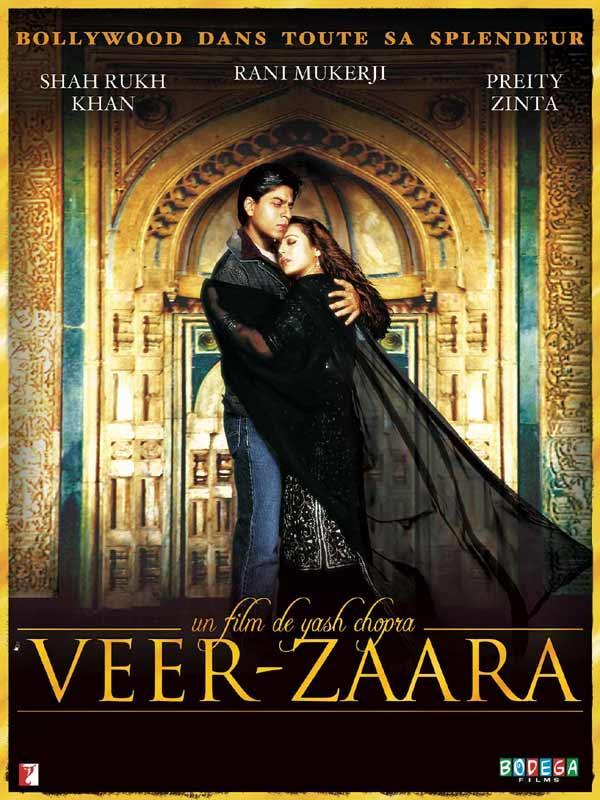
Yash Chopra’s career, which spanned over five decades, was defined by his ability to create emotional resonance within the constraints of high-budget, star-driven vehicles. His ability to identify exactly what he needed for a specific frame was a hallmark of his direction. By the time Veer-Zaara was released, the film had already achieved significant commercial success, securing a worldwide gross that solidified its place as a classic, according to industry performance data archived by Box Office India.
Reflecting on a Legacy
The conversation on Shekhar Tonite serves as a reminder of the evolving nature of the film industry. Shekhar Suman, who has interviewed numerous industry stalwarts throughout his career, often uses his platform to extract personal anecdotes that humanize the legendary figures of the business. Bajpayee’s willingness to share this memory provides insight into the “generosity” he attributes to Chopra, suggesting that the director’s bluntness was a form of guidance rather than exclusion.
For fans of both artists, the anecdote illustrates the depth of the industry’s internal history. While Bajpayee eventually carved out a niche that redefined leading roles in independent and streaming-era cinema, his brief intersection with the era of the “Chopra romance” remains a significant chapter in his career. The actor continues to work in diverse projects, with his recent roles in platforms like Netflix and Amazon Prime Video consistently drawing critical attention for his commitment to realism.
As of late 2024, Manoj Bajpayee remains active in the industry, with several projects in various stages of production. Readers interested in following his upcoming work or revisiting the legacy of Veer-Zaara can find official updates and retrospective content on the Yash Raj Films official website. We invite our readers to share their thoughts on the evolution of acting styles in the comments section below.
Related reading