
The remains of Marc Bloch, the influential French historian and resistance fighter, were honored in a symbolic ceremony at the Pantheon in Paris, cementing his status as a foundational figure in both modern historiography and the French struggle against Nazi occupation. While Bloch was executed by the Gestapo in 1944, the commemorative event serves to integrate his intellectual and moral legacy into the national narrative, marking him as a singular voice whose work continues to shape the understanding of the French identity.
The ceremony, which took place in the heart of the Latin Quarter, highlights the enduring tension between France’s academic history and its contemporary political climate. According to Le Monde, the recognition of Bloch—who was a co-founder of the influential Annales school of history—underscores a national effort to reconcile the sacrifices of the resistance with the rigorous, often critical, lens of professional historical inquiry. The decision to honor a man who was both a soldier and a scholar reflects an attempt to bridge the gap between abstract academic debate and the visceral realities of wartime defiance.
The Life and Legacy of a Scholarly Resistance Fighter
Marc Bloch was born in 1886 in Lyon and spent his career challenging the conventional, state-centered approach to historical study. Before the outbreak of World War II, his work, including The Historian’s Craft, pioneered a “total history” approach that prioritized social structures and economic conditions over the mere actions of political elites. When Germany invaded France in 1940, Bloch, despite being in his 50s, returned to active military service, a decision he later documented in his seminal work, Strange Defeat.
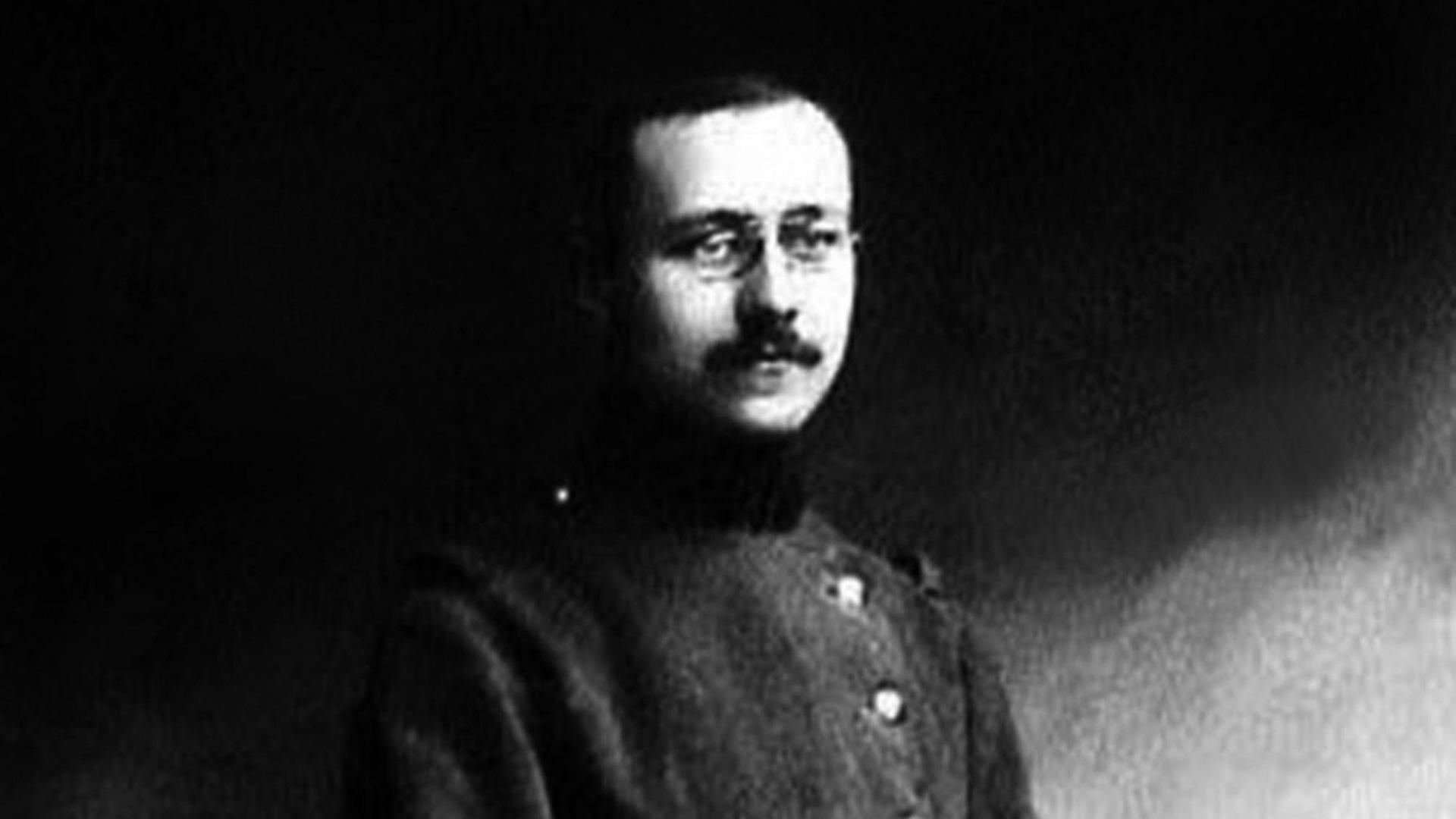
Following the collapse of the French military, Bloch joined the French Resistance, operating under the pseudonym “Narbonne.” According to records from the Mémorial de la Shoah, his commitment to the underground movement was driven by a deep-seated belief that intellectual integrity was inseparable from civic duty. His capture by the Gestapo in 1944 and subsequent execution in a field near Lyon remains one of the most poignant symbols of the cost of resistance for the French intelligentsia.
Historiography and the Pantheon Debate
The Pantheon, a mausoleum reserved for the nation’s most distinguished citizens, has historically served as a stage for political messaging. By inducting Bloch, the state emphasizes a commitment to a “rationalist and anti-nationalist” interpretation of French history, a direct challenge to more insular or revisionist narratives that have gained traction in some corners of modern French politics. As noted by the New York Times, the timing of such honors often correlates with a government’s desire to anchor its legitimacy in the values of the Resistance, particularly as the country prepares for upcoming electoral cycles.
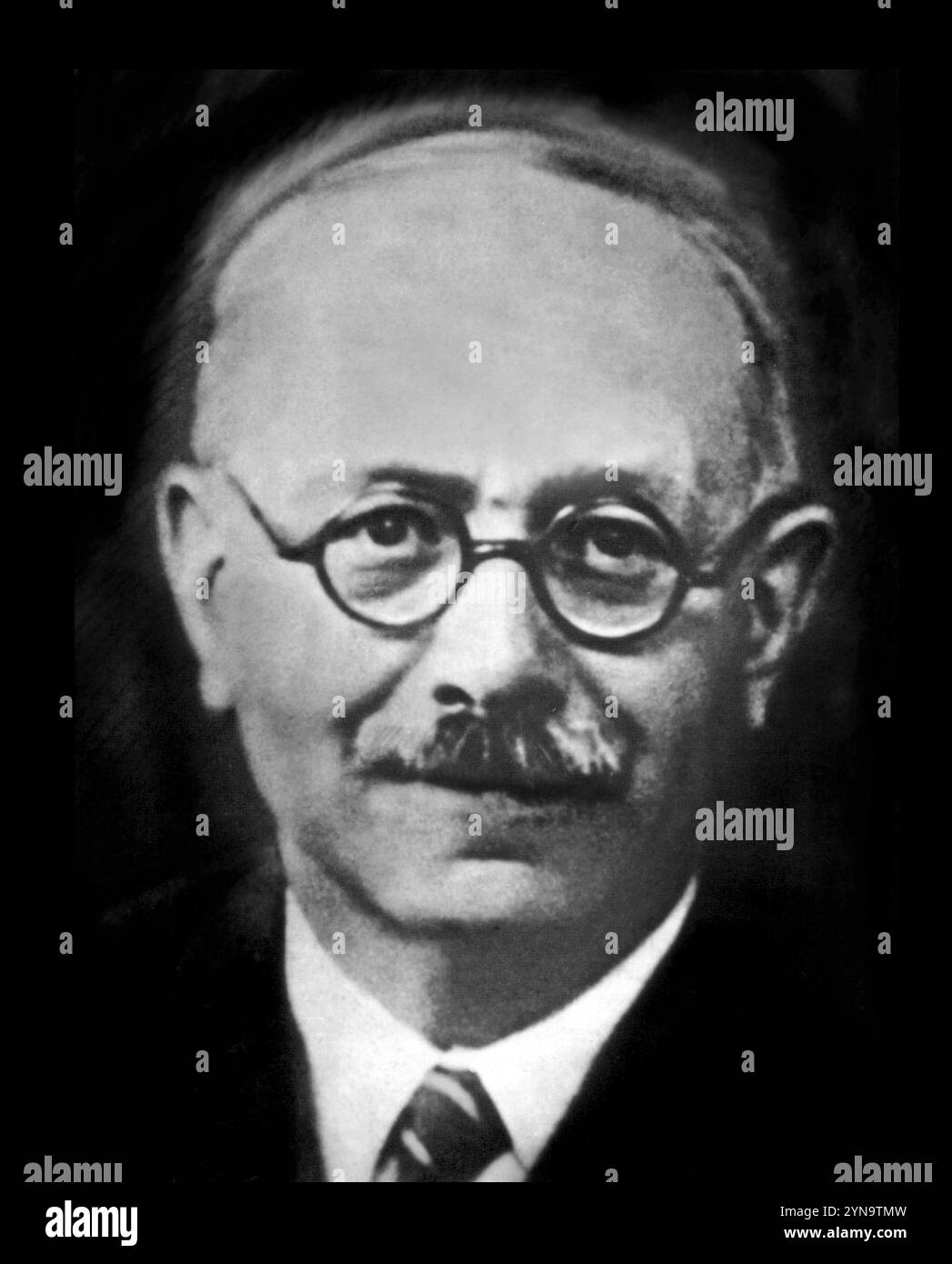
Critics and supporters alike acknowledge that Bloch’s writings remain a cornerstone of French thought. His insistence on the importance of questioning the “truth” of historical documents has made him a target for those who prefer a more monolithic national narrative. However, the academic consensus remains that his methodology—which requires historians to understand the past through the lived experience of ordinary people—is essential to a healthy democracy.
Impact on Contemporary French Politics
The ceremony arrives at a moment of significant political division in France. With the next presidential election approaching, political analysts observe that the invocation of figures like Bloch is rarely accidental. According to reporting by Reuters, the current administration has faced criticism for its handling of national memory, with various factions attempting to co-opt the legacy of the Resistance to suit differing ideological agendas. By honoring a scholar who explicitly rejected nationalist myths, the state is making a calculated move to reinforce a liberal, European-facing identity.
The debate surrounding Bloch’s legacy is not merely academic; it touches on fundamental questions about what it means to be French in the 21st century. His work serves as a reminder that history is a dynamic process, not a fixed set of nationalist dogmas. For students and researchers, the Pantheon induction serves as an institutional endorsement of the critical thinking that Bloch championed throughout his life.
What Happens Next
While the ceremony itself has concluded, the institutional focus on Marc Bloch’s archive is expected to intensify. The French Ministry of Culture has announced that new exhibition spaces at the Pantheon will feature digitized versions of his wartime journals, allowing the public to engage directly with his writing process. Future scholarly conferences are scheduled to address the intersection of “total history” and modern digital humanities, with updates to be posted via the French Ministry of Culture’s official portal.
For those interested in the ongoing discussions regarding French historical memory, further debates are expected in the National Assembly regarding the funding of archives related to the Vichy period and the Resistance. Readers are encouraged to share their thoughts on the role of historians in shaping national policy in the comments section below.
Keep reading