
In an era where the line between natural beauty and clinical enhancement has grow increasingly blurred, the pressure on public figures to maintain a “flawless” image is higher than ever. For many, the journey toward aesthetic perfection is kept behind closed doors, hidden by filters and carefully curated angles. However, Polish personality and influencer Marcela Leszczak is choosing a different path, opting for radical transparency regarding her experiences with aesthetic medicine.
Leszczak has recently sparked a broader conversation about the “taboos” surrounding cosmetic enhancements, openly detailing the procedures she has undergone to refine her appearance. By stepping away from the narrative of “waking up like this,” she joins a growing movement of digital creators who believe that honesty about cosmetic interventions is more empowering—and more ethical—than maintaining a facade of effortless perfection.
This shift toward openness is particularly relevant in the wellness and fitness spheres, where the pursuit of the ideal physique often intersects with medical intervention. For Leszczak, the decision to speak candidly about Marcela Leszczak aesthetic medicine choices isn’t just about her own image, but about dismantling the stigma that often accompanies the admission of “tweakments” in the public eye.
Breaking the Silence on Cosmetic Enhancements
For years, the prevailing trend among influencers was to deny any medical intervention, attributing their looks to strict diets, rigorous exercise, or “fine genes.” Leszczak’s approach challenges this status quo. In recent discussions, she has moved past the hesitation that typically surrounds these topics, addressing the specific areas of her face and body that she felt needed “correction” or enhancement.
The conversation around aesthetic medicine is often polarized between those who view it as a tool for self-confidence and those who observe it as a symptom of unrealistic beauty standards. By discussing her choices without taboo
, Leszczak positions these procedures as a form of self-care and personal agency. She emphasizes that while she appreciates her natural features, the ability to refine specific details through professional medical help is a choice she embraces.
The psychological impact of this transparency is significant. When influencers admit to using fillers or botox, it provides a necessary reality check for followers who may feel inadequate comparing their natural selves to an artificially enhanced image. This honesty helps recalibrate the audience’s expectations of beauty, shifting the goalpost from an unattainable ideal to a managed reality.
The Specifics: What Was Refined?
While many public figures offer vague admissions of “skin treatments,” Leszczak has been more specific about the interventions she has pursued. Central to her aesthetic journey has been the refinement of facial harmony, focusing on areas that provide a subtle but noticeable lift and definition.
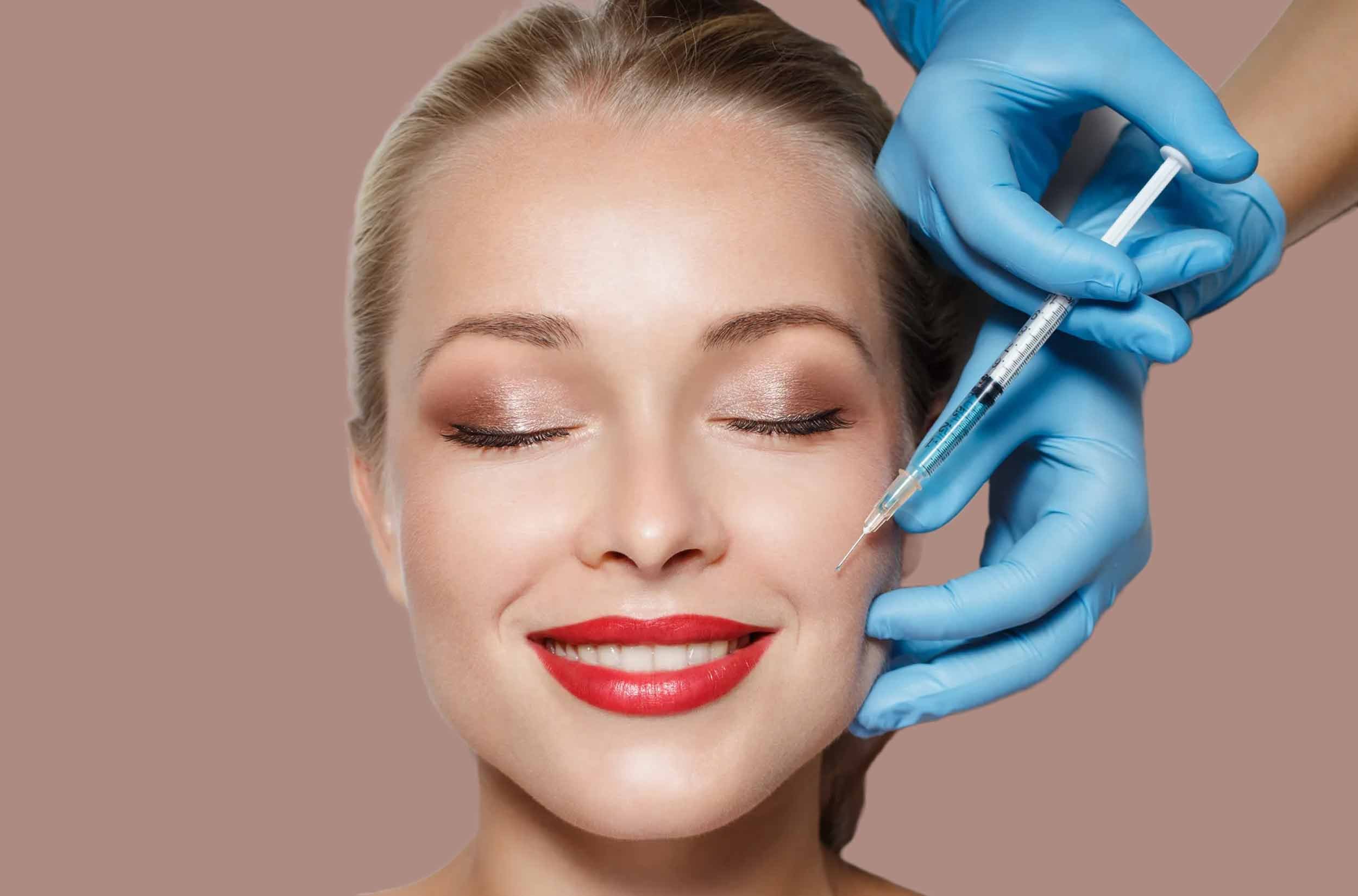
One of the primary areas of focus has been the lips. Lip augmentation, using hyaluronic acid fillers, is one of the most common procedures globally, yet it remains a point of contention. Leszczak has acknowledged her leverage of these treatments to achieve a more balanced look, noting that the goal was not a dramatic transformation but a nuanced improvement. This “less is more” approach is a hallmark of modern aesthetic medicine, which favors “natural-looking” results over the exaggerated features seen in previous decades.
Beyond the lips, the discussion of her aesthetic journey touches upon the concept of facial contouring. This often involves the use of dermal fillers in the cheeks or jawline to create more definition and a more “sculpted” appearance. By detailing these choices, Leszczak highlights the technical nature of these procedures, framing them as a collaboration between the patient and the medical professional to enhance existing structures rather than replace them.
The Role of Non-Invasive Procedures
A key component of Leszczak’s approach is the reliance on non-invasive or minimally invasive treatments. Unlike traditional plastic surgery, which requires significant downtime and carries higher risks, the “tweakment” trend focuses on procedures that can be performed in a clinic setting with immediate returns to daily activity.
- Hyaluronic Acid Fillers: Used for volume and hydration in the lips and cheeks.
- Botulinum Toxin: Employed to smooth fine lines and prevent wrinkles.
- Skin Boosters: Deep hydration treatments that improve skin texture and radiance.
These treatments allow for a gradual evolution of the face, enabling individuals to build small changes over time. This iterative process reduces the risk of an “overdone” appearance and allows the individual to adjust their look as they age, a strategy Leszczak has seemingly adopted to maintain a fresh, youthful aesthetic without losing her identity.
The Intersection of Fitness and Aesthetics
As a figure often associated with a healthy and active lifestyle, Leszczak’s admission adds a layer of complexity to the “wellness” narrative. There is often an unspoken expectation that those who are fit and healthy should not “need” aesthetic medicine. However, the reality is that fitness and aesthetic medicine often coexist as two different tools for body management.
The pressure to maintain a “camera-ready” look 24/7 is a professional requirement for influencers. In the high-definition world of social media, every pore and asymmetry is magnified. For many in the public eye, aesthetic medicine serves as a form of “digital insurance,” ensuring that their physical appearance matches the polished version of themselves seen in edited photographs.
By being open about this, Leszczak bridges the gap between the gym and the clinic. She demonstrates that taking care of one’s health through exercise and nutrition does not preclude the desire to enhance one’s appearance through medical science. This holistic—albeit clinical—approach to beauty is becoming the new standard for the modern celebrity.
The Broader Impact on Beauty Standards
The “no taboo” approach to aesthetic medicine is not without its critics. Some argue that when influencers normalize these procedures, they inadvertently put pressure on their younger followers to seek out medical interventions at an increasingly early age. The “normalization” of fillers can lead to a culture where “fixing” oneself is seen as a prerequisite for confidence.
However, the alternative—silence—is often more damaging. When enhancements are hidden, they are presented as natural. This creates a “phantom standard” where people strive for a look that is biologically impossible to achieve without surgery or fillers. By admitting to her procedures, Leszczak provides a map of how her look was actually achieved, which can actually lower the psychological burden on the viewer.
The conversation also highlights the importance of professional guidance. The rise of “DIY” beauty trends and unregulated clinics has made the role of the certified aesthetic physician more critical than ever. Leszczak’s transparency encourages a dialogue not just about what was done, but who did it, emphasizing the necessity of seeking qualified medical professionals to avoid the complications associated with low-cost, uncertified practitioners.
Key Takeaways from Leszczak’s Approach
- Transparency over Perfection: Admitting to enhancements is more ethical than claiming a “natural” look that is clinically achieved.
- Subtlety is Priority: The goal of modern aesthetic medicine is refinement and harmony, not a total transformation.
- Mental Health Connection: Openly discussing beauty choices can reduce the feelings of inadequacy in followers.
- Professionalism Matters: The emphasis remains on safe, medical-grade procedures performed by licensed experts.
Looking Forward: The Future of Aesthetic Honesty
As we move further into 2026, the trend of “aesthetic honesty” is expected to grow. We are seeing a shift away from the “Instagram Face”—the homogenized look of high cheekbones and oversized lips—toward a more individualized approach to beauty. The focus is shifting from “fixing flaws” to “enhancing unique traits.”

Marcela Leszczak’s willingness to discuss her journey without shame is a precursor to a more mature relationship between social media and the beauty industry. When the “secret” of the clinic is out, the power shifts back to the individual to decide what they want for themselves, free from the illusion that everyone else is naturally perfect.
The next step in this evolution will likely be a greater emphasis on the long-term maintenance and the “reversal” of these procedures. As the first generation of “tweakment” enthusiasts ages, the conversation will shift toward how to age gracefully with—and sometimes without—the help of fillers and toxins.
The ongoing dialogue regarding beauty and medical intervention remains a critical part of our cultural conversation. By choosing honesty over the “taboo,” figures like Leszczak are helping to redefine what it means to be beautiful in a digital age.
We want to hear from you. Do you believe influencers have a responsibility to disclose their aesthetic procedures, or is their appearance a private matter? Share your thoughts in the comments below and share this article with your network to join the conversation.
Worth a look