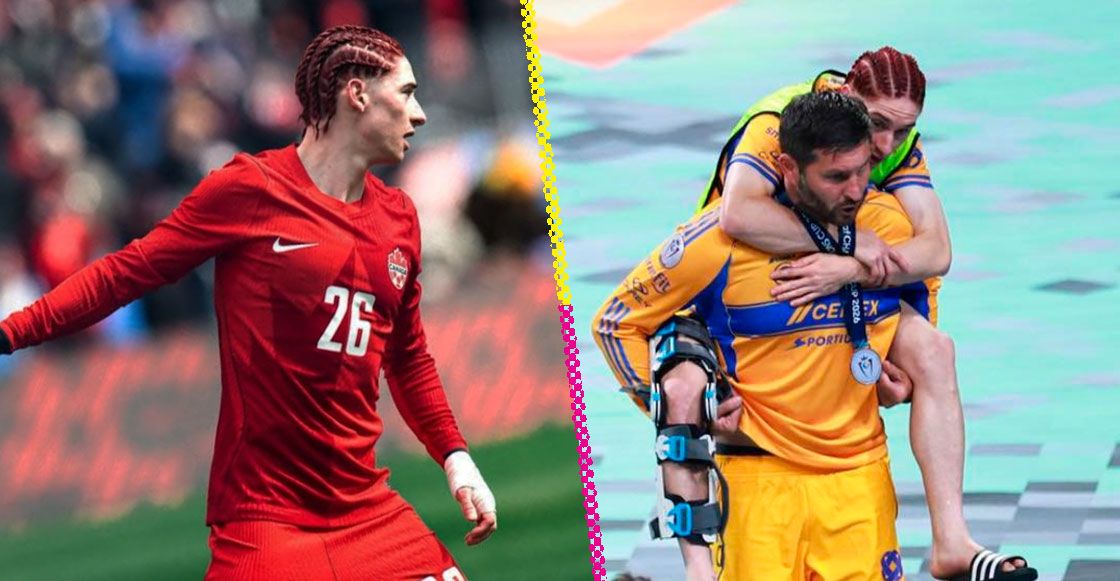
The landscape of international football is often defined not just by the moments of triumph on the pitch, but by the quiet, arduous recovery periods that define a professional athlete’s career. For Canadian national team prospect and Tigres UANL midfielder Marcelo Flores, a significant injury has cast a shadow over his availability for the upcoming 2026 FIFA World Cup. The news, which has rippled through the CONCACAF region, highlights the precarious nature of professional sports where a single movement can alter the trajectory of a young talent’s international ambitions.
Flores, who has been a notable figure in the development of the Canadian men’s national team program, recently faced a significant setback following a ligament injury. While speculation regarding his participation in the 2026 tournament—which Canada will co-host alongside the United States and Mexico—has been intense, the reality of recovery timelines for such injuries is governed by strict medical protocols. As fans and analysts look toward the 2026 FIFA World Cup, the focus shifts to the long-term health and rehabilitation of one of the region’s most promising young midfielders.
Understanding the Impact of ACL Injuries in Professional Football
Anterior Cruciate Ligament (ACL) injuries remain among the most challenging hurdles for professional footballers. These injuries typically involve a complete or partial tear of the ligament that stabilizes the knee joint, often requiring surgical intervention followed by an extensive period of physical therapy and rehabilitation. According to clinical guidelines from major sports medicine institutions, the standard recovery timeline for a return to competitive professional play ranges from nine to twelve months, though individual progress can vary significantly based on the severity of the tear and the athlete’s physiological response to surgery.

For a player like Marcelo Flores, who relies on agility, rapid changes of direction, and high-intensity movement, the recovery process is not merely about returning to the pitch, but about regaining the explosive power necessary to compete at the international level. The 2026 World Cup, scheduled to begin in June 2026, represents a pinnacle of athletic achievement, and any injury occurring in the lead-up to this event requires a disciplined, multi-stage recovery plan. Medical staff at Tigres UANL, his current club, are expected to oversee a rigorous program to ensure his long-term career viability, which often takes precedence over any single tournament cycle.
The Canadian Perspective: Building Toward 2026
The Canadian men’s national team has seen a rapid ascent in recent years, bolstered by a generation of talent that includes players competing in top-tier leagues across Europe and the Americas. Marcelo Flores, who has navigated the complexities of international eligibility—having previously been involved in the youth setups of both England and Mexico before committing to Canada—is viewed as a key component of the team’s depth. The Canadian Soccer Association continues to emphasize a long-term strategy for their national program as they prepare for the unprecedented pressure and visibility of hosting a World Cup on home soil.

The loss of a player of Flores’s profile forces the coaching staff to re-evaluate their tactical depth. In the modern international game, squad rotation and resilience are paramount. When a player of his caliber is sidelined, it creates an opportunity for emerging talent within the domestic league and the international diaspora to step forward. The challenge for Canada’s technical director and coaching staff will be to maintain the team’s momentum while managing the health and availability of their roster during the high-stakes qualification and tournament preparation phases.
What Lies Ahead for Marcelo Flores
Recovery from an ACL injury is as much a psychological challenge as a physical one. The process involves a transition from acute post-operative care to functional strength training, and eventually, to sport-specific movements. Professional clubs, including Tigres, typically employ dedicated physiotherapists and sports scientists to monitor these milestones. Fans and observers looking for updates on his status should rely on official communications from the club’s medical department or the national team’s press office, as these entities provide the only verified data regarding return-to-play timelines.
While the immediate focus is on the disappointment of missing potential international caps, the broader context remains that Flores is still in the early stages of his professional career. Many elite athletes have returned from similar injuries to perform at their peak, provided they adhere to the established medical recovery protocols. The support system around the player—ranging from his club teammates to his national team peers—will be instrumental in his return to the high-intensity environment of Liga MX and international competitions.
Key Considerations for the Road to 2026
- Medical Protocols: Return-to-play decisions are based on objective functional testing rather than set calendar dates.
- Squad Depth: The Canadian national team is currently evaluating several young prospects to fill gaps in the midfield rotation.
- Professional Support: Tigres UANL maintains a comprehensive medical staff tasked with ensuring safe, long-term rehabilitation for their players.
- Official Updates: For the most accurate information, supporters should monitor Liga MX official reports and official Canadian national team press releases.
As the international community looks toward the 2026 tournament, the story of Marcelo Flores serves as a reminder of the fragility and dedication required in the life of a professional athlete. While the upcoming months will be defined by rehabilitation and patience, his journey remains a significant narrative within the broader story of Canadian football’s growth. We will continue to monitor official reports from the club and the federation regarding his recovery status. We invite our readers to share their thoughts on the evolution of the Canadian squad in the comments section below.
Worth a look