Italian Workers Anticipate Pay Increases and Public Sector Back Payments in March
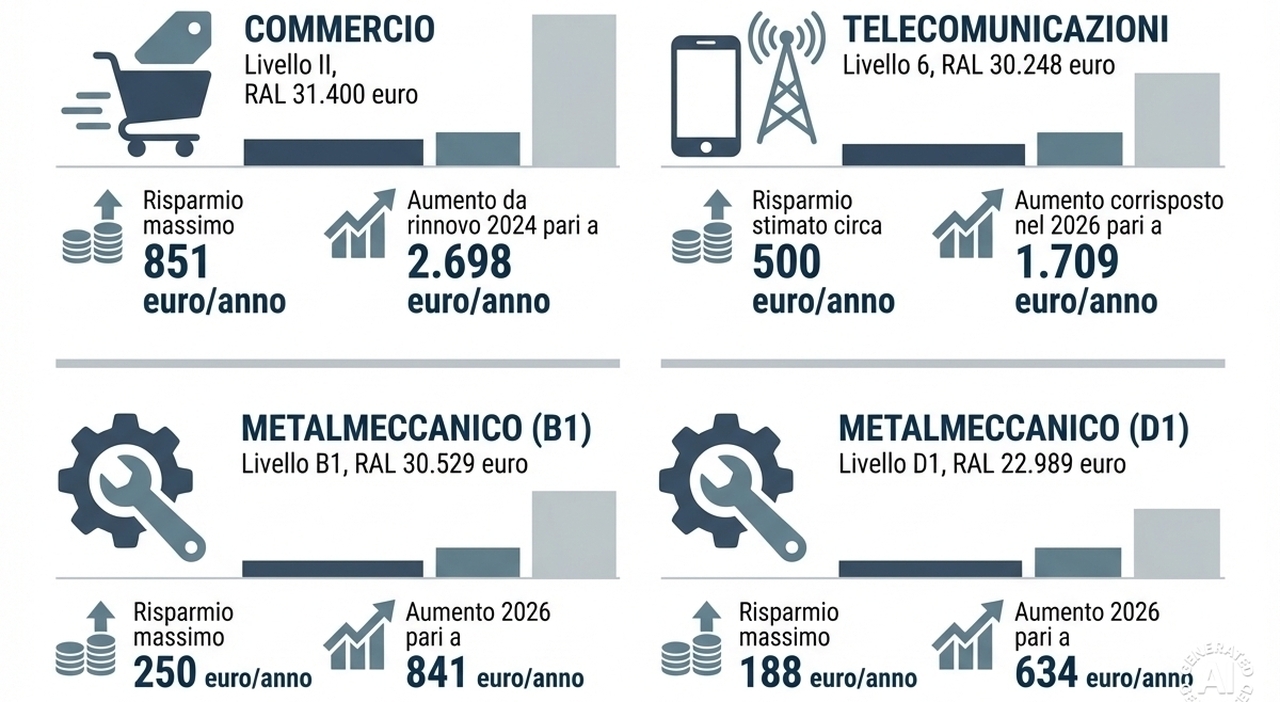
March paychecks are bringing positive news for many Italian workers, with the implementation of a new tax arrangement on contractual increases and the disbursement of long-awaited back payments and adjustments for public sector employees. These developments, stemming from the 2026 Budget Law, aim to provide financial relief and address outstanding compensation issues. The changes are expected to impact a significant portion of the workforce, offering a much-needed boost amidst ongoing economic considerations.
The core of the improvement lies in the application of a 5% substitute tax on salary increases resulting from renewed collective bargaining agreements. This measure, enshrined in the 2026 Budget Law, is designed to incentivize wage growth although providing a more favorable tax treatment for employees. The implementation begins with the March pay slips, meaning workers will see the benefit reflected in their earnings this month. This change is particularly relevant given recent discussions surrounding wage stagnation and the need to bolster household incomes.
Impact on Public Sector Employees
Alongside the tax adjustments, a notable number of public sector employees are set to receive back payments, integrations, and adjustments in their March paychecks. These payments address discrepancies and outstanding amounts related to previous collective bargaining agreements and salary reviews. While the specific categories of public sector workers receiving these payments haven’t been universally detailed, the move signals a commitment to resolving long-standing compensation issues within the public administration. The Italian government has been under pressure to address these issues, particularly as they relate to maintaining morale and attracting qualified personnel.
The specifics of these back payments and adjustments vary depending on the individual employee’s contract and the relevant collective bargaining agreement. Some employees may receive lump-sum payments to cover past due amounts, while others will see adjustments reflected in their ongoing salary. The Ministry of Economy and Finance has not yet released a comprehensive breakdown of the total amount being disbursed or the number of employees affected, but officials have indicated that the payments are a priority.
Broader Economic Context
These developments occur against a backdrop of broader economic challenges in Europe. Recent reports highlight concerns about Italy’s public debt and the need for fiscal responsibility. The 5% tax on contractual increases is, in part, a measure to balance the desire for wage growth with the need to maintain budgetary stability. The government is attempting to strike a delicate balance between supporting workers and ensuring the long-term health of the Italian economy.
the financial situation in France is also impacting the broader European economic landscape. Concerns over France’s budget deficits are raising questions about the stability of the Eurozone and the potential for wider economic repercussions. Italy, as a major member of the European Union, is closely monitoring the situation in France and assessing its potential impact on the Italian economy.
Understanding the 5% Substitute Tax
The 5% substitute tax is a significant departure from the standard progressive income tax rates applied to salary increases. Traditionally, increases in income are taxed at rates ranging from 23% to 43% in Italy, depending on the individual’s overall income level. The substitute tax offers a substantially lower rate, effectively increasing the net income received by employees. This represents intended to incentivize employers to offer wage increases and to provide a more tangible benefit to workers.
However, it’s crucial to note that the 5% substitute tax applies only to the *increase* in salary resulting from the renewal of collective bargaining agreements. It does not apply to other forms of income or to salary increases that are not tied to collective bargaining. The tax is calculated on the difference between the ancient and new salary levels, providing a targeted incentive for wage growth within the framework of collective agreements.
Who Benefits from These Changes?
The primary beneficiaries of these changes are employees covered by collective bargaining agreements that have been recently renewed. This includes workers in both the private and public sectors. The extent of the benefit will depend on the size of the salary increase negotiated in the collective bargaining agreement. Larger increases will result in a greater tax savings under the 5% substitute tax regime.
Public sector employees who have been awaiting back payments or adjustments to their salaries will also benefit directly. These payments address long-standing compensation issues and provide a much-needed financial boost. The specific amount received will vary depending on the individual’s circumstances and the details of the relevant collective bargaining agreement. The government has stated that This proves committed to ensuring that all eligible public sector employees receive their due payments promptly.
Looking Ahead
The implementation of these changes represents a significant step towards addressing wage stagnation and improving the financial well-being of Italian workers. However, the long-term impact will depend on a number of factors, including the overall health of the Italian economy and the continued commitment to fiscal responsibility. The government will need to carefully monitor the effects of these measures and make adjustments as needed to ensure that they are achieving their intended goals.
The next key date to watch is the end of April 2026, when the Italian government is expected to release a report assessing the initial impact of the 5% substitute tax on wage growth and government revenues. This report will provide valuable insights into the effectiveness of the policy and inform future decisions regarding tax and wage policy. Workers and employers alike are encouraged to stay informed about these developments and to participate in the ongoing dialogue about the future of work in Italy.
Key Takeaways:
- A 5% substitute tax on contractual increases is now in effect for March paychecks.
- Public sector employees are receiving back payments and adjustments to their salaries.
- These changes are part of the 2026 Budget Law and aim to boost worker incomes.
- The broader European economic context, particularly concerns in France, is influencing Italy’s fiscal policy.
Do you have questions about how these changes will affect your paycheck? Share your thoughts and experiences in the comments below. Don’t forget to share this article with your colleagues and friends to help spread awareness of these important developments.
Related reading