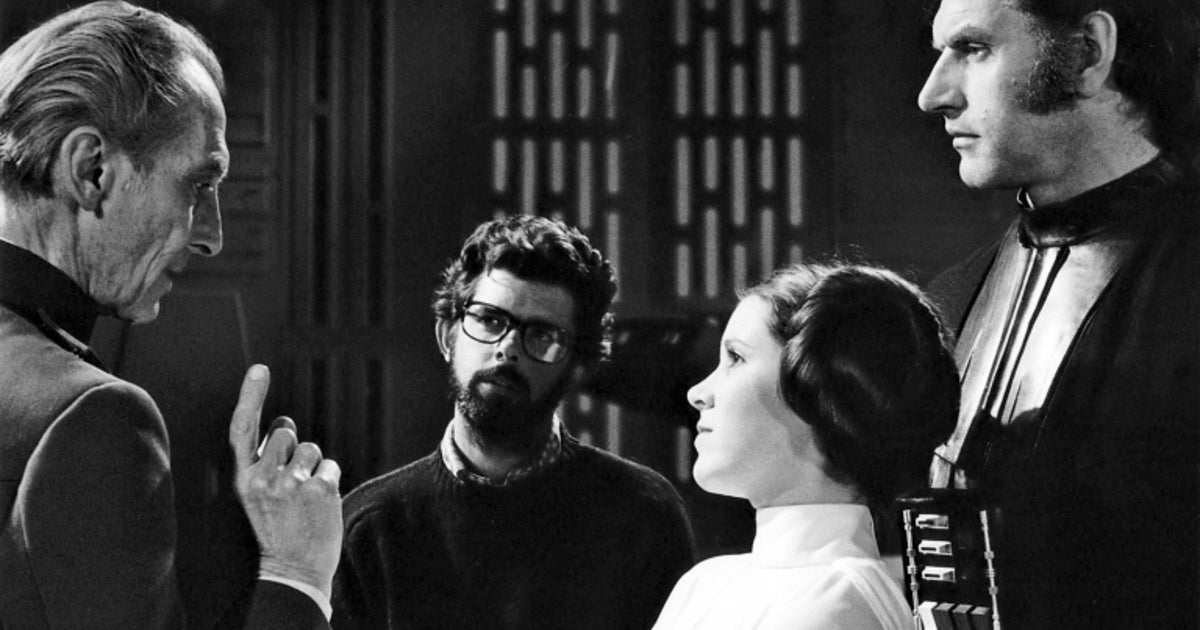
In the annals of cinematic history, few names carry as much weight behind the scenes as Marcia Lucas. As an editor whose rhythmic precision helped shape the foundational identity of the Star Wars saga, her influence on the pacing and emotional resonance of the original trilogy remains a cornerstone of modern film editing. Recently, reports have circulated regarding the passing of the Academy Award-winning editor at age 80. While the industry mourns the loss of a true visionary, her legacy as the secret weapon of Star Wars continues to be studied by filmmakers and editors worldwide.
Marcia Lucas’s contributions were far more than technical; they were architectural. During the grueling post-production of 1977’s Star Wars: A New Hope, she was instrumental in salvaging a project that many, including George Lucas himself, initially feared would be a disaster. Her editorial decisions—most notably the decision to kill Obi-Wan Kenobi to heighten the stakes and the meticulous construction of the Death Star trench run—are widely credited with transforming a sprawling space opera into a tightly woven, high-stakes masterpiece. According to the Academy of Motion Picture Arts and Sciences, she received the Oscar for Best Film Editing for her work on that film in 1978.
The narrative of Marcia Lucas as the “secret weapon” is not merely anecdotal; it is supported by the accounts of those who worked alongside her during the late 1970s. While George Lucas provided the grand, mythic vision, Marcia brought a grounded, human touch to the edit suite. Her ability to cut for emotional clarity helped ensure that the audience remained anchored in the character dynamics even amidst the spectacle of laser battles and intergalactic conflict. This editorial intuition became a defining trait of the Lucasfilm aesthetic during its formative years.
An Editorial Pioneer in a Male-Dominated Industry
Entering the film industry in the early 1970s, Marcia Lucas navigated a landscape that was heavily skewed toward male practitioners. She quickly earned a reputation for excellence, working on seminal films such as Martin Scorsese’s Taxi Driver and Alice Doesn’t Live Here Anymore. Her collaboration with Scorsese proved that she was a master of the “New Hollywood” style, characterized by gritty realism and inventive pacing. This background proved vital when she transitioned to the high-pressure environment of Star Wars, where she balanced complex visual effects with the need for coherent storytelling.
Beyond her work on the original Star Wars trilogy, her influence extended to the broader cultural impact of the franchise. She was one of the few people who dared to challenge George Lucas on creative decisions, a dynamic that arguably pushed the films toward their eventual success. As noted in various retrospective documentaries, such as the 2004 feature Empire of Dreams: The Story of the Star Wars Trilogy, her input was often the final word in determining whether a scene remained in the final cut or ended up on the cutting room floor.
The Legacy of the “Secret Weapon”
The term “secret weapon” is often used in Hollywood to describe talent that operates quietly but effectively behind the scenes. For Marcia Lucas, the moniker is fitting. She did not seek the spotlight, yet her fingerprints are on every frame of the original trilogy. Her editorial style—characterized by fluid cuts and a keen sense of when to let a scene breathe—set a standard for the action-adventure genre that persists to this day.
Her departure from the franchise following the 1983 release of Return of the Jedi marked a significant turning point in the history of Lucasfilm. Many critics and fans have often pointed to the difference in pacing and tone between the original trilogy and the later prequels as evidence of the “Marcia effect.” Whether or not one subscribes to that theory, it is undeniable that her departure left a void in the collaborative process that had defined the series’ early years. Her career remains a testament to the fact that the most key work in cinema often happens in the dark, silent rooms where film is transformed into story.
Key Contributions to Cinematic History
- Academy Award Recognition: Won the Oscar for Best Film Editing for Star Wars: A New Hope (1978).
- Collaborative Genius: Known for her work with Martin Scorsese on Taxi Driver, establishing her as a top-tier editor before her Star Wars tenure.
- Creative Integrity: Served as a crucial sounding board for George Lucas, often refining the emotional beats of the original trilogy.
- Genre Defining: Helped codify the pacing of modern blockbuster action sequences.
Remembering a Visionary
As we reflect on the life and career of Marcia Lucas, it is important to recognize her not just as a figure associated with the Star Wars universe, but as an artist in her own right. Her mastery of the craft of editing allowed filmmakers to push the boundaries of what was possible on screen. In an era where digital tools have changed the nature of post-production, the foundational principles she championed—pacing, rhythm, and emotional truth—remain as relevant as ever.
While the industry continues to evolve, the lessons taught by the generation of editors that included Marcia Lucas will continue to influence how stories are told. She showed that editing is not just about cutting film; it is about finding the soul of the story. For those interested in the history of film editing, the Motion Picture Editors Guild provides extensive resources on the techniques that defined the mid-to-late 20th century.
As of this writing, there have been no further public statements regarding memorial services or specific tributes from Lucasfilm. We will continue to provide updates as official information becomes available. In the meantime, we invite our readers to share their thoughts on the enduring legacy of Marcia Lucas’s work in the comments section below. Her impact on the way we experience cinema is, and will always be, a part of film history.