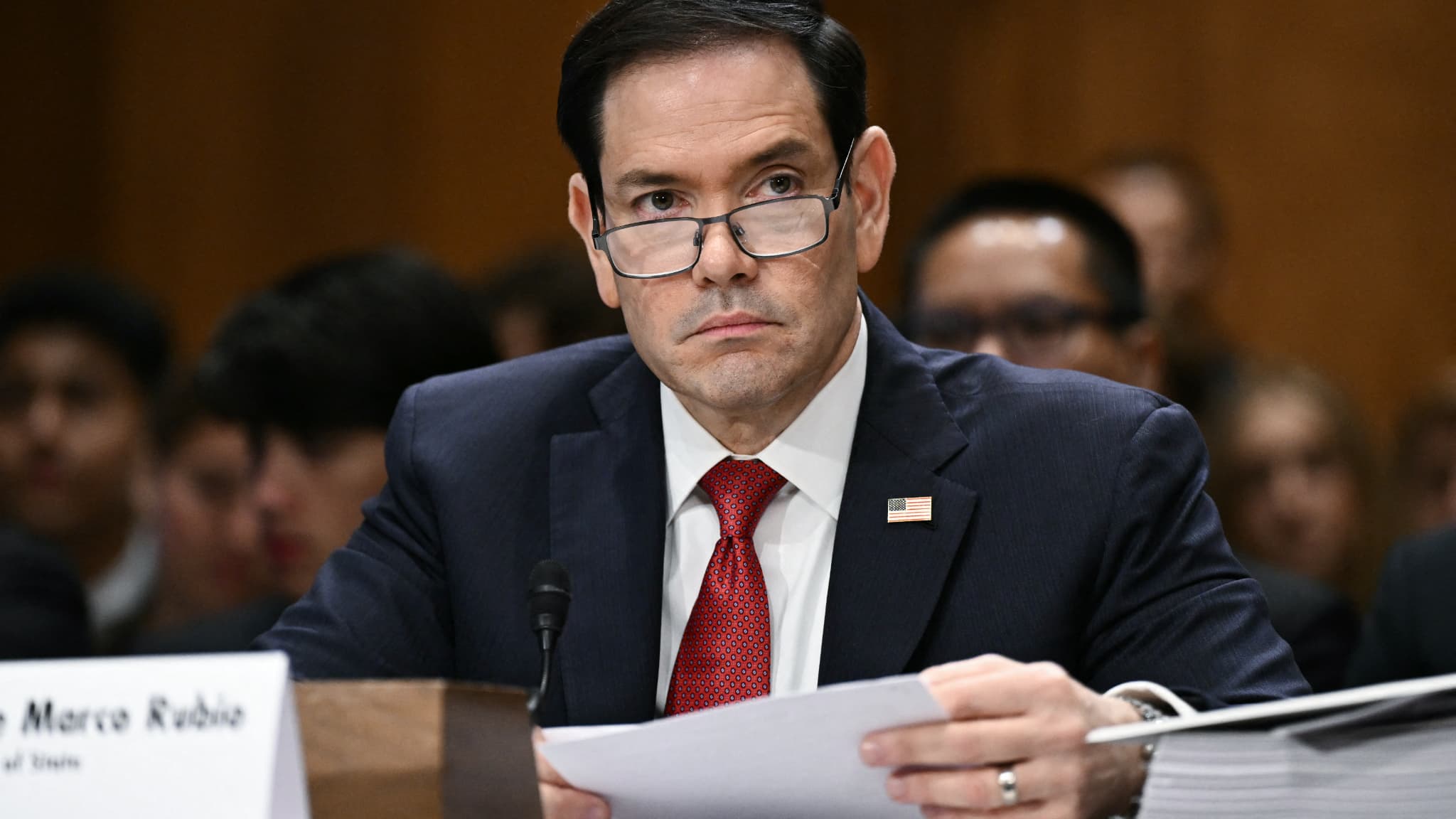
LONDON — United States Secretary of State Marco Rubio has moved to clarify the administration’s position on regional security in the Indo-Pacific, affirming that the U.S. Maintains its commitment to military support for Taiwan. Speaking in the wake of high-level diplomatic engagements, Rubio signaled that while significant defense transfers remain under consideration, they were not the central focus of recent discussions between President Trump and Chinese President Xi Jinping.
The clarification comes at a critical juncture for U.S.-China relations, as Washington navigates the delicate balance between maintaining regional stability and upholding its long-standing policy of supporting Taiwan’s defensive capabilities. The distinction made by Rubio aims to decouple the technicalities of arms procurement from the broader, high-stakes diplomatic dialogue currently unfolding between the world’s two largest economies.
In a recent briefing, Rubio addressed inquiries regarding whether the recent meeting between President Trump and President Xi resulted in any concessions regarding defense technology. Responding to questions via NBC, the Secretary of State noted that the issue of arms sales to Taiwan did not feature prominently in the discussions held between the two leaders.
Decoupling Diplomacy from Defense Procurement
The Secretary’s comments serve to manage expectations both in Washington and Beijing. By stating that the arms sales “did not feature prominently” in the Trump-Xi meeting, the administration is suggesting that the dialogue was focused on broader geopolitical or economic themes rather than the specific mechanics of military aid to Taipei. This strategic nuance is essential for maintaining diplomatic “breathing room” while ensuring that domestic and international observers understand that U.S. Defense policy remains steadfast.
Despite the lack of prominence in the recent summit, the underlying momentum of U.S. Military support appears unchanged. Reports indicate that the United States is currently examining a significant defense package for Taiwan, with a projected value of approximately $14 billion. This proposed sale, if finalized, would represent a substantial commitment to bolstering Taiwan’s self-defense infrastructure and would likely include a variety of advanced hardware and technological systems designed to enhance deterrence in the Taiwan Strait.
For global markets and defense contractors, the scale of this potential $14 billion transaction is significant. Such a move not only reinforces the security architecture of the Indo-Pacific but also signals a continued reliance on the U.S. Defense industrial base to meet the growing demands of regional allies. From an economic perspective, these large-scale defense contracts serve as a primary driver for high-tech manufacturing and long-term bilateral security dependencies.
The Strategic Calculus of Taiwan Support
The administration’s stance reflects a continuation of the “strategic ambiguity” that has characterized U.S. Policy toward Taiwan for decades, yet it is being executed within a new and increasingly complex geopolitical framework. The maintenance of military support is not merely a matter of hardware; it is a signal of intent regarding the preservation of the status quo in the Pacific.
Key elements of the current strategy include:
- Deterrence through Capability: Ensuring that Taiwan possesses the technological edge necessary to discourage unilateral changes to the regional status quo.
- Diplomatic De-escalation: Using high-level summits, such as the Trump-Xi meeting, to address systemic competition without allowing specific defense items to derail broader stability efforts.
- Policy Consistency: Demonstrating that regardless of the specific topics discussed in bilateral meetings, the fundamental commitment to Taiwan’s security remains a non-negotiable pillar of U.S. Foreign policy.
As a business editor observing these shifts, the intersection of defense policy and international diplomacy is creating a predictable, albeit tense, environment for global trade and security. The ability of the State Department to manage these “unprominent” topics while simultaneously preparing massive defense transfers is a testament to the complexity of modern statecraft.
Geopolitical Implications and Market Stability
The implications of these developments extend far beyond the halls of the State Department. For the global economy, the stability of the Taiwan Strait is a prerequisite for the uninterrupted flow of semiconductors and other critical technologies. Any perceived shift in U.S. Commitment—or conversely, any perceived escalation in arms sales—can trigger volatility in both the energy and technology sectors.
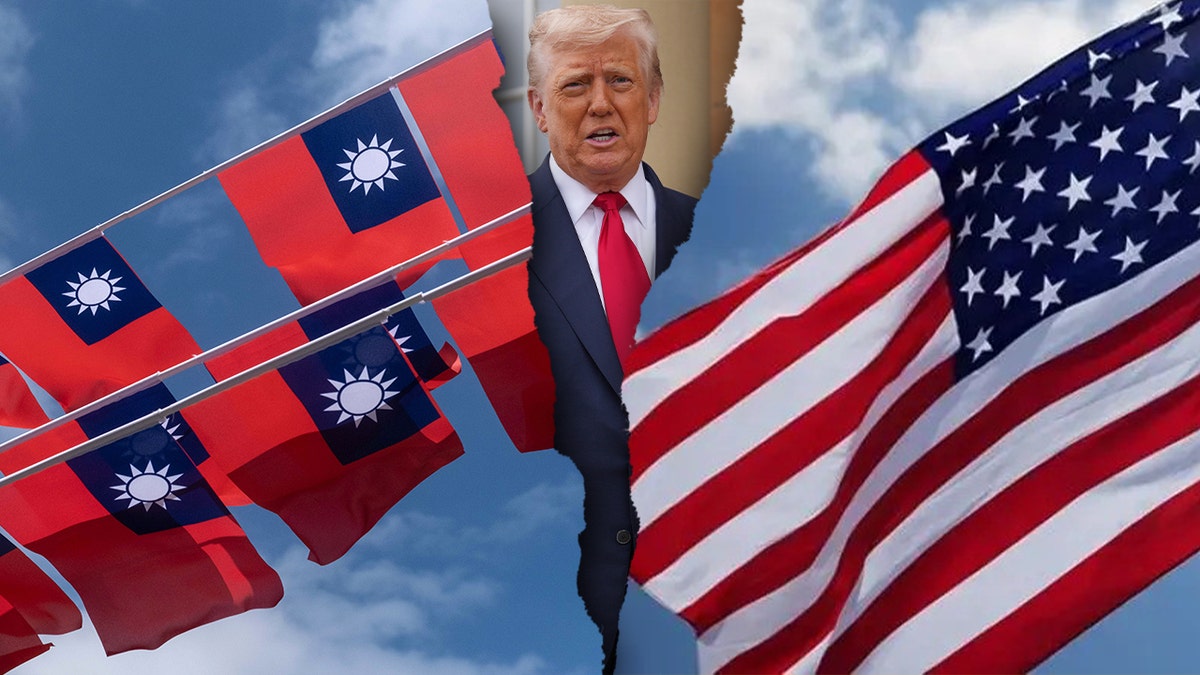
By framing the arms sales as a matter of ongoing examination rather than a direct byproduct of the Trump-Xi talks, the administration is attempting to mitigate the risk of immediate retaliatory measures from Beijing. This approach seeks to provide a layer of insulation between the “big picture” diplomacy of presidents and the “granular” reality of defense procurement. However, the sheer scale of the reported $14 billion package ensures that the eyes of the world will remain fixed on the eventual outcome of these negotiations.
Key Takeaways: U.S.-Taiwan Defense Update
- Policy Stance: The U.S. Confirms it is maintaining its existing policy of military support for Taiwan.
- Diplomatic Context: Arms sales were not a primary topic during the recent Trump-Xi meeting, according to Secretary Rubio.
- Potential Scale: A defense package valued at approximately $14 billion is currently under examination.
- Strategic Goal: The administration aims to balance regional deterrence with the management of high-level diplomatic relations with China.
As the situation evolves, the international community will be watching for any official confirmation regarding the finalization of the proposed defense package. The next major checkpoint will likely involve formal notifications to Congress or official statements from the Department of Defense regarding the specific technical components of the potential $14 billion sale.
What are your thoughts on the administration’s approach to balancing high-level diplomacy with military support in the Indo-Pacific? Share your insights in the comments below and share this article with your network.
Worth a look
- Childcare and Education: Programs, Schools, and Family Support Services
- Pittsburgh Steelers Training Camp 2026: Latest News, Updates and Analysis
- Three OG Xbox titles and 34 more games get handheld support (archyde.com)
- Windows 10 and 11 Built-in Support Tools Help Resolve System Issues (archyworldys.com)