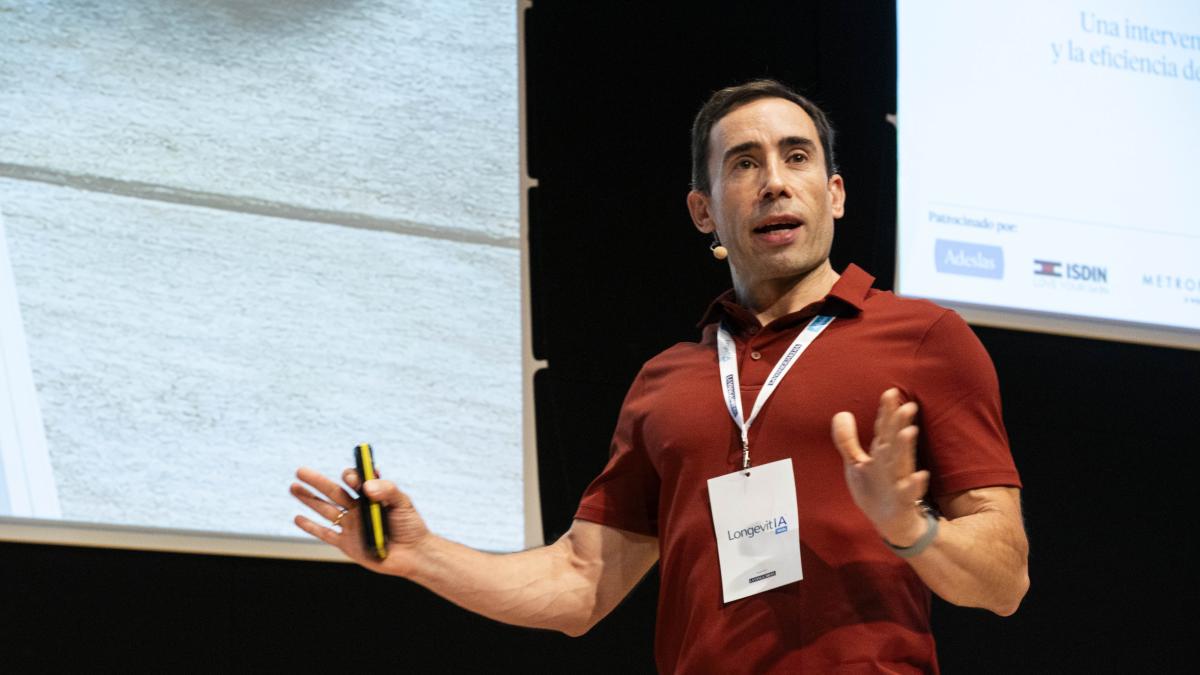
Small doses of physical activity, often called exercise snacks, can offer significant health benefits, according to fitness expert and personal trainer Marcos Vázquez. Speaking at a conference focused on human longevity hosted by Lavanguardia, Vázquez explained that individuals often view the World Health Organization’s recommendation of 150 minutes of moderate exercise per week as an unattainable barrier, which frequently leads them to do nothing at all.
The Power of Exercise Snacks in Daily Life
However, scientific evidence indicates that meaningful benefits can be achieved with much less time invested. Simple actions such as climbing stairs at a brisk pace, walking while taking a phone call, or spending ten minutes stretching between tasks help activate circulation and oxygenate the brain. These brief pauses assist in clearing the mind during the workday while preventing tension spikes and fatigue caused by long hours in front of a screen.
Reducing Mortality Risk Through Brief Movement
During his presentation, Vázquez highlighted the impact of very short bursts of daily activity on overall survival. Vázquez explained that three minutes of physical activity per day produced a reduction of more than 15% in mortality, referencing a study involving adults over the age of 60 that examined the effects of climbing stairs three times per day. To demonstrate how easily brief movement can be integrated into everyday routines, Vázquez even invited the audience to perform thirty squats live during the event.
Such physical activity also plays a vital role in healthy aging by helping to prevent memory decline and neurodegenerative diseases. On a physical level, staying active preserves muscle mass and strengthens bone density, drastically lowering the risk of falls, fractures, and mobility loss associated with old age. Furthermore, Vázquez noted that nunca es tarde
to begin, pointing out that starting at age 60 can leave a person in better physical condition at 70 than they were at 50. He also emphasized activities like tennis, football, and bádminton for their social components, which provide additional support for longevity.
Muscle Strength as a Key Biomarker
According to Vázquez, the muscular strength developed through exercise serves as a critical indicator of health. He stated that simple markers such as grip strength provide us with more information or are better predictors of mortality than things like cholesterol that we obsess over so much, noting that individuals with greater strength exhibit lower risks of heart attacks, cancer, strokes, infections, and overall mortality.
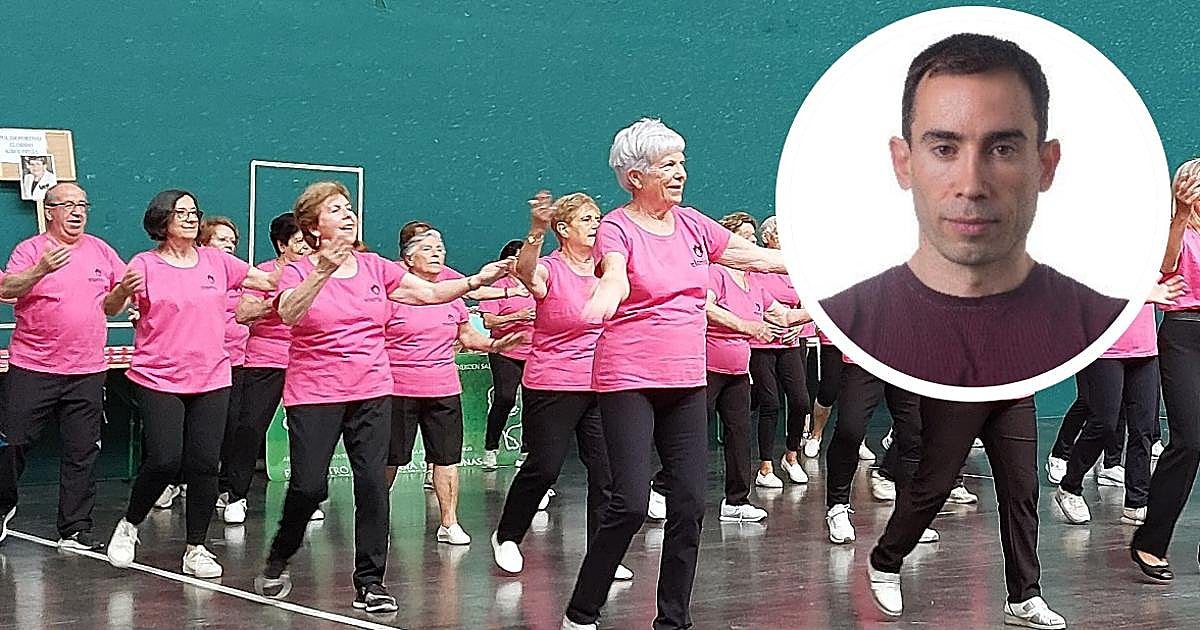
Rather than functioning solely as a contractile tissue for movement, muscle is now understood to be an endocrine organ in its own right. To illustrate the long-term effects of lifelong physical activity, Vázquez referenced research comparing veteran athletes with sedentary individuals, noting that 70-year-old athletes maintained muscle and bone mass nearly indistinguishable from those of active 40-year-olds.
Four Pillars of Healthy Longevity
To guide individuals toward better health and combat sedentary habits, Vázquez outlined four fundamental pillars of physical activity detailed by ABC:
* Movement: Walking more, climbing stairs, and avoiding prolonged sitting, aiming for 7,000 to 10,000 steps daily as a baseline.
* Strength: Preserving muscle, bone, and autonomy through two to four weekly sessions targeting large muscle groups.
* Aerobic exercise: Enhancing cardiorespiratory capacity and reducing disease risk by combining zone 2 training with occasional intense intervals.
* Sport: Providing coordination, agility, enjoyment, and social connection.
Worth a look