The resurrection of Marge Simpson: A Deep Dive into The Simpsons‘ Narrative Strategy
The animated world of Springfield erupted in shock earlier this year when The Simpsons seemingly killed off its matriarch, Marge Simpson, in a controversial season finale flash-forward. Now, just months later, Marge is back, and her return in the Season 37 premiere isn’t just a plot twist – it’s a fascinating case study in long-form television storytelling, fan engagement, and the evolving dynamics of a cultural institution. This article will explore the context surrounding Marge’s initial “death,” the creative rationale behind her revival,and what this signifies for the future of the show. We’ll delve into the narrative techniques employed, the fan reaction, and the broader implications for animated sitcoms navigating decades on air.
The Shocking Finale and Initial Fan Reaction
The decision to seemingly eliminate Marge Simpson, a character synonymous with the show’s heart and stability, was a bold move. The flash-forward sequence, depicting a future where Homer is remarried and Marge is deceased, sparked immediate and intense debate among fans. Social media platforms buzzed with disbelief, anger, and speculation. Many questioned the creative direction of the show, arguing that killing off such an iconic character was a desperate attempt to generate buzz.
Did You Know? The initial proclamation of Marge’s death trended globally on X (formerly Twitter) within hours,generating over 500,000 posts. This demonstrates the enduring cultural relevance of The Simpsons even after 35 seasons.
Though, seasoned television viewers recognized a potential narrative strategy at play. Flash-forwards are often used as dramatic devices, not necessarily definitive statements of character fate. The ambiguity surrounding the circumstances of Marge’s death – presented as a brief glimpse into a possible future – left room for a reversal. The showrunners, Al Jean and James L. brooks, have a history of employing similar tactics, often subverting expectations to keep audiences engaged.
The Season 37 Premiere: A Nostalgic Return & Narrative Repair
The Season 37 premiere skillfully addressed the controversy,bringing Marge back without explicitly retconning the flash-forward. Instead, the episode presented a narrative that effectively sidestepped the “death” by framing it as a potential future, not a present reality. The storyline centered around Marge bonding with Lisa over a 90s teen drama, Keagan’s Pond (a clear parody of Dawson’s Creek). This nostalgic element resonated with both long-time viewers who remember the show’s earlier seasons and a younger audience discovering The Simpsons for the first time.
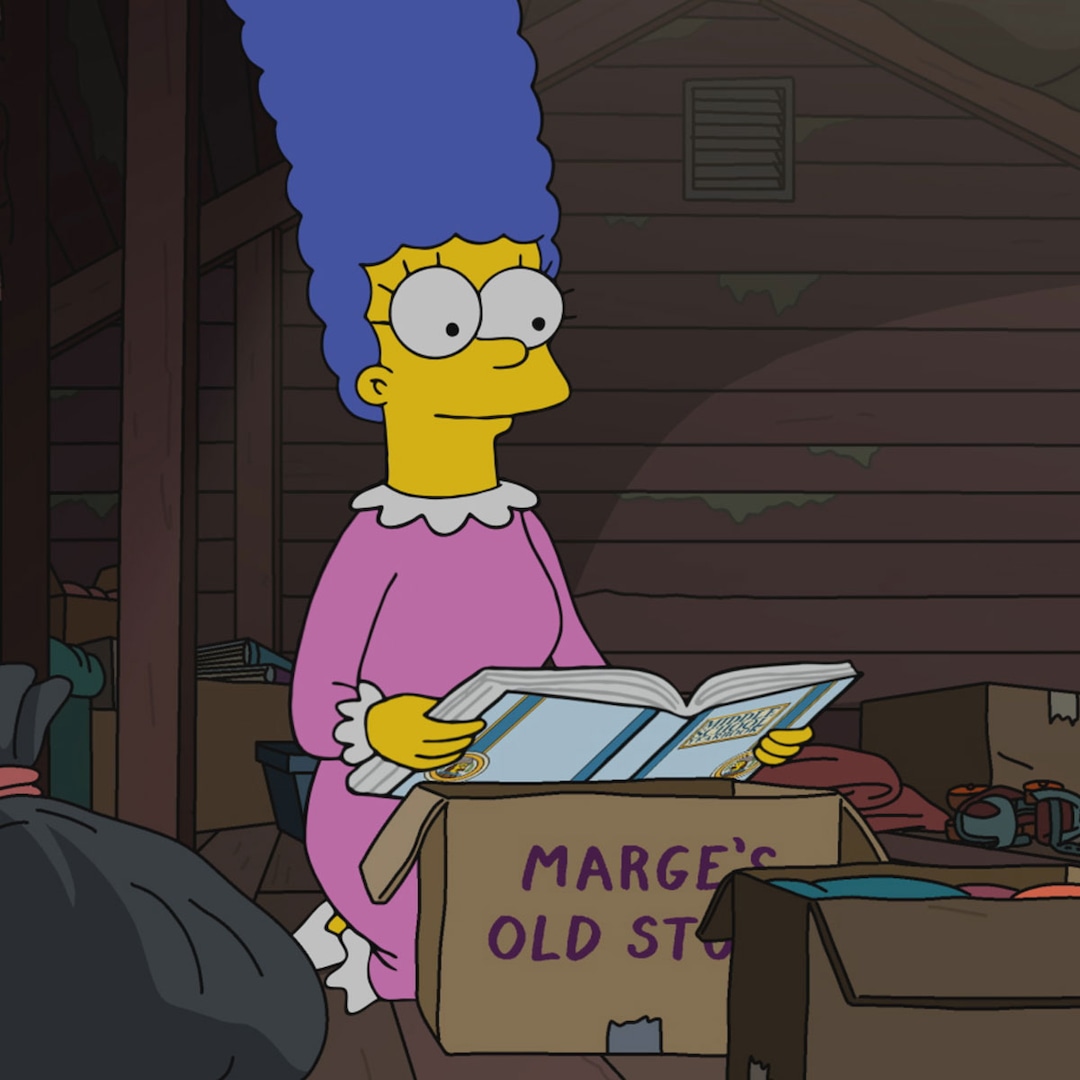
The episode cleverly used the 90s aesthetic as a catalyst for character growth. Marge’s rediscovery of her old clothes sparked a fashion trend at Springfield Elementary, allowing Lisa to experience a brief period of popularity. This, in turn, led to a moral dilemma when Lisa’s new friends attempted to steal vintage clothing from other mothers in Springfield. Marge’s intervention, saving Lisa from potentially illegal activities, reinforced their strong mother-daughter bond and served as a reaffirmation of Marge’s enduring presence in the Simpson family.
Pro Tip: The success of marge’s return lies in its subtle approach. The episode didn’t dwell on the “death” but instead focused on strengthening existing relationships and delivering a heartwarming story. This demonstrates a refined understanding of audience psychology and the importance of emotional resonance.
This narrative repair is a testament to the show’s writing team’s ability to navigate complex storytelling challenges. They acknowledged the fan outcry, addressed the controversy without sacrificing the show’s comedic tone, and ultimately reaffirmed the core values that have made The Simpsons a cultural phenomenon.
The Strategic Use of Flash-Forwards and Long-Form Storytelling
The marge Simpson incident highlights the increasing use of flash-forwards in long-running television series. Shows like This Is Us and How I Met Your Mother have successfully employed this technique to create suspense, explore character arcs, and engage audiences on a deeper emotional level. Though, the risk lies in alienating viewers if the flash-forward feels contrived or undermines the established narrative.
Keep reading