Maria Kalesnikava: The Belarusian Opposition Leader Who Became a Symbol of Defiance
Maria Kalesnikava, a Belarusian political activist, recently secured her release after over five years of imprisonment, becoming a potent symbol of resistance against the authoritarian regime of Alexander Lukashenko. Her story is one of unexpected leadership, unwavering courage, and brutal repression – a testament to the fight for democracy in Belarus. This article delves into her journey, the context of the 2020 Belarusian protests, and the harrowing conditions she endured while incarcerated.
The 2020 Election and the Rise of a New Opposition
The 2020 Belarusian presidential election was a turning point. Lukashenko, in power since 1994, faced the most meaningful challenge to his rule yet. However, the political landscape was deliberately constricted.
Key opposition figures,including potential frontrunners,were systematically prevented from running. This created an opening for a new generation of leaders – women who stepped forward to represent their husbands and a broader desire for change.
Kalesnikava, alongside Sviatlana Tsikhanouskaya and Veronika Tsepkalo, emerged as the face of this movement. Each woman ran in place of their husbands, who were either imprisoned or forced into exile.
* Sviatlana Tsikhanouskaya: Represented her husband, Sergei Tsikhanousky, a popular blogger and activist.
* Veronika Tsepkalo: Stepped in for her husband, Valery Tsepkalo, a former diplomat.
* maria Kalesnikava: Campaigned after the arrest of Viktar babaryka, a banker seen as a strong contender.
A United Front and a Powerful Symbol
The three women recognized the power of unity. They coalesced around Tsikhanouskaya as the consensus candidate, but their collective image resonated deeply with the Belarusian people.
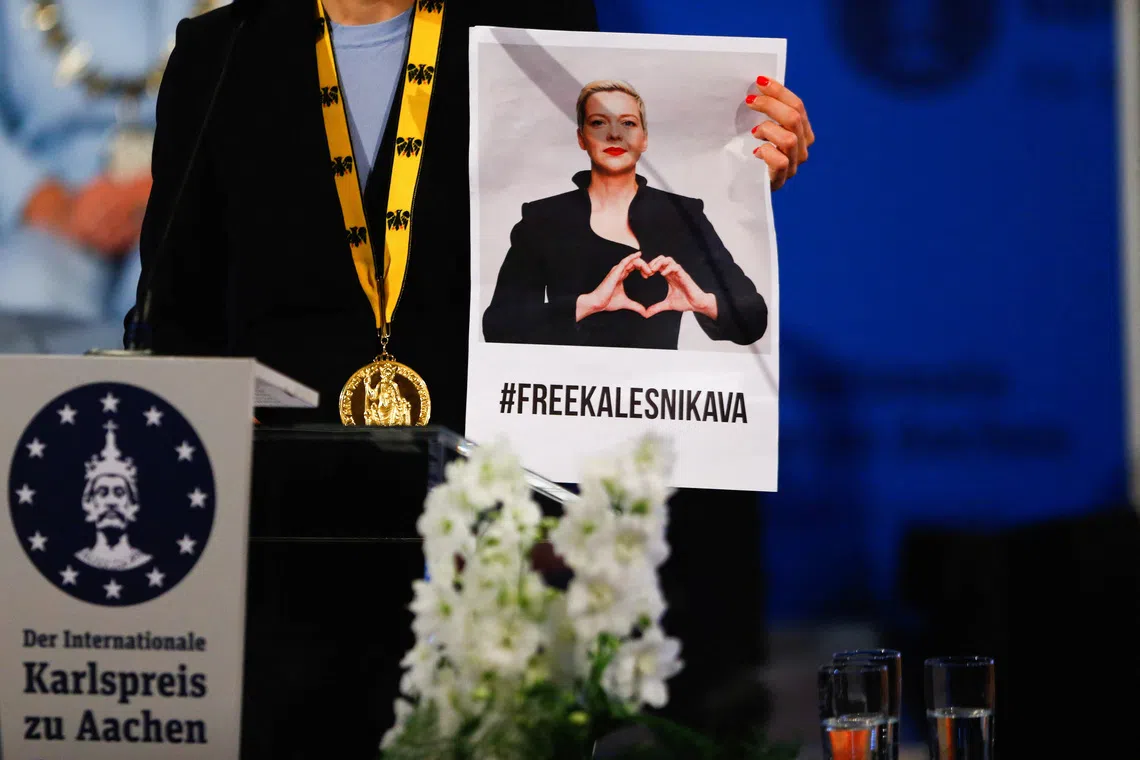
An iconic photograph – Tsikhanouskaya with a clenched fist, Kalesnikava forming a heart, and Tsepkalo displaying the ‘V’ for victory sign – became a rallying cry. Their campaign rallies drew unprecedented crowds, frequently enough exceeding tens of thousands, demonstrating a widespread yearning for political change.
Kalesnikava, initially hesitant in public speaking, quickly evolved into a passionate and articulate voice for the opposition. She spoke candidly about the challenges and the overwhelming support she received, sometimes masking her emotional response with dark glasses.
The Contested Election and Subsequent Protests
Lukashenko declared victory in the August 2020 election, a result widely disputed by Tsikhanouskaya and the international community. Western governments,including the European Union and the United States,refused to recognize Lukashenko’s legitimacy.
This sparked massive pro-democracy protests across Belarus. The regime responded with brutal force, arresting thousands of demonstrators.
While Tsikhanouskaya and Tsepkalo sought refuge in exile, Kalesnikava made the brave decision to remain in Belarus, becoming a symbol of defiance.Her commitment was met with immediate and severe consequences.
Arrest, Imprisonment, and Allegations of Torture
Kalesnikava’s arrest triggered further protests, with demonstrators chanting her name and displaying signs of support, including the nickname “Viva Maria.” A dark joke circulated among Belarusians, highlighting the fear she instilled in the authorities: “Belarusian cops, sitting by the fire in the evening, frighten each other with stories about Maria Kalesnikava.”
For five years and three months, Kalesnikava was held largely incommunicado. She was denied access to her family and legal counsel, enduring prolonged periods of isolation.
reports from prison sources, relayed by her family and supporters, paint a harrowing picture of her treatment:
* Deplorable Conditions: Confined to a tiny, unsanitary cell with a hole in the floor serving as a toilet.
* Censorship: Letters sent to her were reportedly torn up in front of her by prison staff.
* Medical Neglect: She underwent surgery for a severe peptic ulcer and peritonitis in 2022, highlighting the lack of adequate medical care.
* Dramatic Weight Loss: Her sister, Tatsiana khomich, described her condition as amounting to torture, stating her weight plummeted due to her inability to tolerate prison food.
Release and Continued Advocacy
Kalesnikava’s recent release, secured through negotiations,
Keep reading