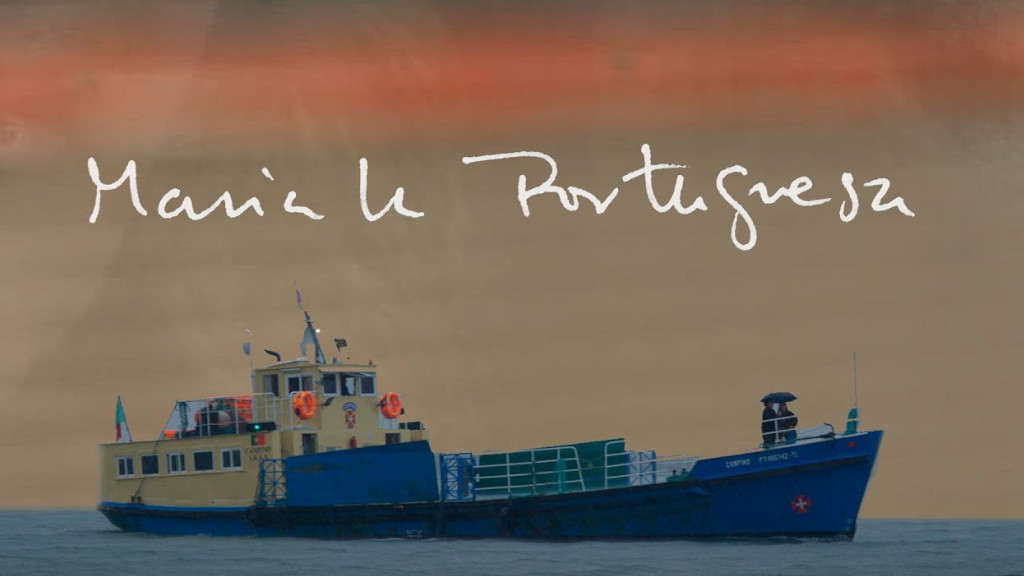
The haunting melody of “María la Portuguesa,” a cornerstone of Spanish singer-songwriter Carlos Cano’s repertoire, is being revisited through a new documentary offering a glimpse into the song’s origins and enduring legacy. Directed by Eduardo Montero and produced by Intermedia Producciones, with the support of Canal Sur, the Asociación Memoria Carlos Cano, and the Fundação José Saramago, the film promises an intimate exploration of the true story behind the iconic ballad. The documentary, which premiered at several film festivals in late 2024 and early 2025, received a special mention at the Lorca Awards in 2024 and the Asecan Non-Fiction Award in 2025, highlighting its critical acclaim.
More than just a musical biography, “María la Portuguesa” delves into a real-life tragedy that unfolded in January 1985 along the Guadiana River, the natural border between Spain and Portugal. A Spanish shellfish gatherer was fatally shot by a Portuguese border guard, and a mysterious woman, known only as María, spent the night vigil over his body before disappearing. This poignant event, steeped in the cultural complexities of the border region, captivated Cano and inspired one of his most celebrated compositions. The documentary seeks to unravel the mystery surrounding María and the circumstances of the shooting, exploring themes of loss, cultural identity, and the enduring power of music to bridge divides.
Unraveling the Mystery: A Journey Through Andalucía and Portugal
At the heart of the documentary is Amaranta Cano, the daughter of the late Carlos Cano. She embarks on a personal quest to uncover the truth behind her father’s inspiration, retracing his steps from Granada to the borderlands of Ayamonte in Spain and Vila Real de Santo António in Portugal, ultimately culminating in Lisbon, the birthplace of fado. According to El Trapezio, Amaranta’s journey isn’t simply a historical investigation; it’s a deeply personal exploration of her father’s artistic process and the emotional resonance of his work.
Throughout her investigation, Amaranta interviews witnesses to the original event, seeking firsthand accounts of the tragedy and the enigmatic figure of María. She also engages in conversations with prominent figures in Iberian music, including Teresa Salgueiro, known for her work with the Portuguese band Madredeus, Antonio Chainho, a celebrated Portuguese guitarist, Rozalén, a contemporary Spanish singer-songwriter, Raúl Rodríguez, and Martirio, a renowned Spanish vocalist. These artists pay tribute to Carlos Cano by offering unique interpretations of “María la Portuguesa,” underscoring the song’s enduring appeal and its ability to transcend generations.
The Influence of Fado and Carlos Cano’s Legacy
The documentary highlights the profound influence of Portuguese fado, particularly the work of Amália Rodrigues, on Carlos Cano’s musical style and lyrical themes. Fado, a genre characterized by its melancholic melodies and expressive vocals, resonated deeply with Cano, who saw parallels between the Portuguese tradition and the flamenco music of his native Andalucía. Cancioneros.com notes that the film explores this connection, showcasing how Cano skillfully blended elements of both musical traditions in his work.
Carlos Cano, who passed away in December 2000, left behind a rich musical legacy characterized by his poetic lyrics, social commentary, and innovative fusion of musical styles. “María la Portuguesa,” released in 1984, became his most internationally recognized song, translated into multiple languages and performed by artists around the world. The documentary serves as a tribute to Cano’s artistic vision and his ability to capture the complexities of the human experience through his music. It’s a testament to his skill in crafting narratives that resonated with audiences across cultural boundaries.
Broadcast Details and Festival Recognition
“María la Portuguesa” is scheduled to air on Andalucía Televisión on Thursday, February 26th, at 00:25 hours. The film has already garnered significant recognition on the festival circuit, with screenings at the Festival Internacional de Documental Etnográfico de Sobrarbe – ESPIELLO, the IV Muestra de Cine Documental de Gijón, IBERODOCS, Scotland’s Ibero-American Documentary Film Festival, the Sección Mirada andaluza Alcances 2025, and the XI Festival Nuevo Cine Andaluz Casares 2025. This widespread festival presence underscores the documentary’s artistic merit and its ability to connect with audiences on a global scale.
More than a mere musical documentary, “María la Portuguesa” is a poignant homage to memory, cultural fusion, and the enduring legacy of an artist who knew how to build bridges between two brotherly peoples through music. The film’s exploration of a tragic event, coupled with its celebration of artistic expression, promises to be a moving and thought-provoking experience for viewers.
As the documentary prepares for its television debut, audiences are invited to reflect on the story behind the song and the enduring power of music to connect us to our shared humanity. The film serves as a reminder of the importance of preserving cultural memory and honoring the artists who have shaped our world.
The broadcast on Andalucía Televisión on February 26th marks a significant moment for fans of Carlos Cano and those interested in the intersection of music, history, and cultural identity. Stay tuned to Andalucía Televisión for the premiere and join the conversation online using #MarialaPortuguesa.
Related reading