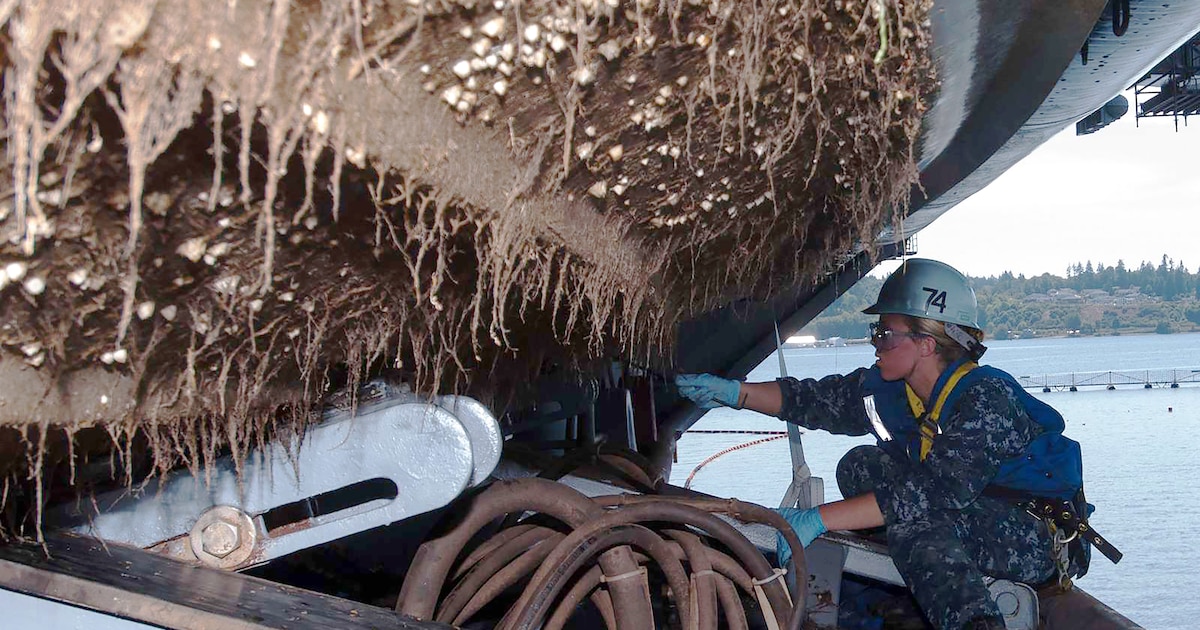
The closure of the Strait of Hormuz since February has left about 1,500 ships trapped in the Persian Gulf, triggering warnings from an international team of marine biologists about a potential high-scale marine biological invasion. The extended immobilization allows sessile organisms and algae to multiply rapidly on ship hulls.
Marine Biologists Warn of Ecological Crisis in the Persian Gulf
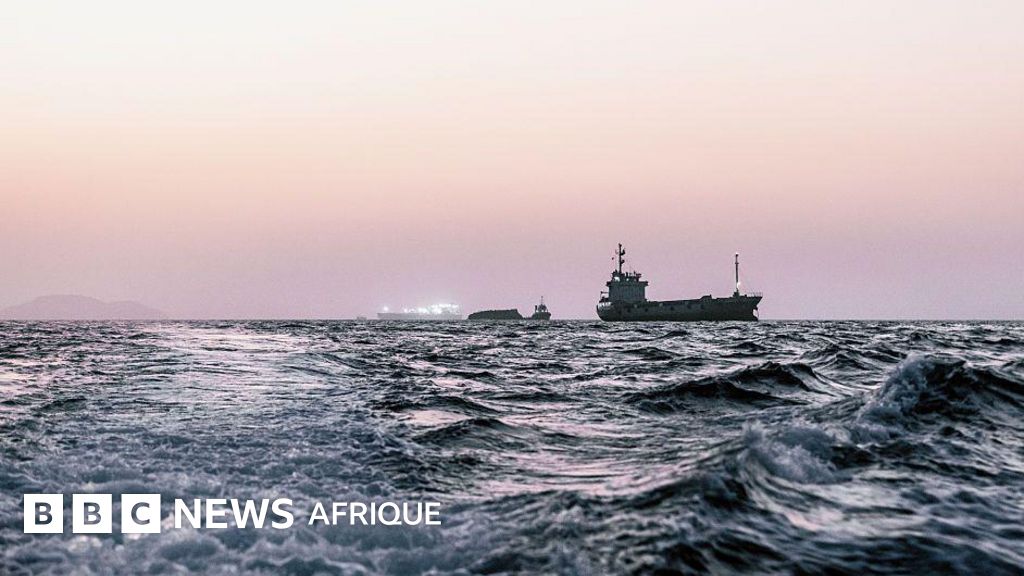
An international team of marine biologists has issued a stark warning regarding the prolonged blockade of the Strait of Hormuz, categorizing the situation as an imminent ecological crisis and a severe threat to international biosecurity. According to a report published in the journal Biological Invasions, approximately 1,500 vessels have been stranded in the Persian Gulf since February, while hundreds of other ships remain stuck in the Gulf of Oman as detailed in reporting by the BBC.
The researchers behind the assessment include scientists from the United States, Argentina, Portugal, Saudi Arabia, New Zealand, Finland, South Africa, Canada, and Israel. They note that the unprecedented duration of the shutdown has given invasive species an extraordinary window of opportunity to colonize submerged vessel surfaces. Once these ships eventually resume their international routes, experts warn it could spark a super-propagation event of large-scale marine biological invasion across global waters.
How Biofouling Threatens Global Port Infrastructure
The physical characteristics of the Persian Gulf create an ideal environment for this biological accumulation. The seabed consists primarily of mud, silt, and sand, leaving very little natural hard substrate underwater. Consequently, sessile organisms—such as invertebrates, marine microbes, and macroalgae—rapidly attach to any hard surfaces they encounter, including the hulls of stationary commercial vessels.
There is a whole suite of organisms, generally invertebrates and algae, that we refer to as sessile or sedentary, because they live their whole lives attached to a surface. Professor Mario Tamburri, marine ecologist and lead author of the study at the University of Maryland, via BBC
This accumulation process begins when bacteria and other microbes form an initial film on submerged structures. That microscopic layer is subsequently colonized by spores from macroalgae or by the larvae of invertebrates like barnacles and worms. Because the Gulf serves as a crucial hub in global shipping routes, it routinely collects bio-encrusting organisms from around the world and accumulates even more mass when ships are forced into prolonged inactivity.
Comparison With Past Disruptions and Seasonal Risks
Researchers stress that the scale of this maritime bottleneck is unprecedented in modern history. Previous high-profile blockages were far shorter in duration. For instance, the grounding in the Suez Canal in Egypt disrupted traffic for just six days in 2021, while the collapse of a bridge in the American port of Baltimore affected a small number of vessels for roughly 11 weeks in 2024 according to the BBC’s coverage.
Under normal operational conditions, vessels operating in the region typically spend only one to three days docked in port before setting sail again. However, invasive species can proliferate heavily on ship hulls after just ten days of continuous stillness. Scientific studies from 2020 examining varying periods of vessel immobilization found that between 10 and 28 days, the quantity of biofouling on test surfaces multiplied by 13 to 25 times. After 28 days, more than 85% of the tested surface area was colonized on average as reported by Lavenir.
Timing has compounded the environmental hazard. When the Strait of Hormuz closed in late February, waters in the region were beginning to warm ahead of the summer months. That temperature rise naturally stimulates marine organisms to reproduce, spawn, and colonize new surfaces.
If you had to design the worst possible scenario for ship biofouling and the spread of invasive species, you couldn’t have imagined anything better. Professor Mario Tamburri, marine ecologist, via BBC
International Regulations and Port Authorities Face Mounting Pressure
The scientific paper highlights that 57 distinct biofouling species colonizing port infrastructure along the western coast of the Persian Gulf could readily attach to grounded ships and subsequently spread to ports worldwide. Furthermore, the introduction of novel genotypes could inject fresh genetic diversity into existing invasive populations, helping them adapt and multiply more effectively in foreign waters.
International bodies have attempted to address these vulnerabilities previously. In 2023, the International Maritime Organization issued guidelines recommending that vessels remaining berthed for extended intervals undertake cleaning measures to combat biofouling before heading back out to sea. In practice, however, these hull cleanings remain largely optional and inconsistent.
At the international port of Anvers, officials note that mandatory safeguards are already in place for ballast water management. Lennart Verstappen, a spokesperson for the port, explained to Lavenir that all arriving vessels must operate approved treatment systems during water discharges, pointing out that this system eliminates most organisms and its use is mandatory for all ships under the Ballast Water Management Convention.
Despite such localized controls, the authors of the study argue that existing regulatory frameworks and cleaning capacities remain completely inadequate to manage a biosecurity event of this magnitude, leaving fragile marine ecosystems vulnerable to widespread disruption.
Related reading